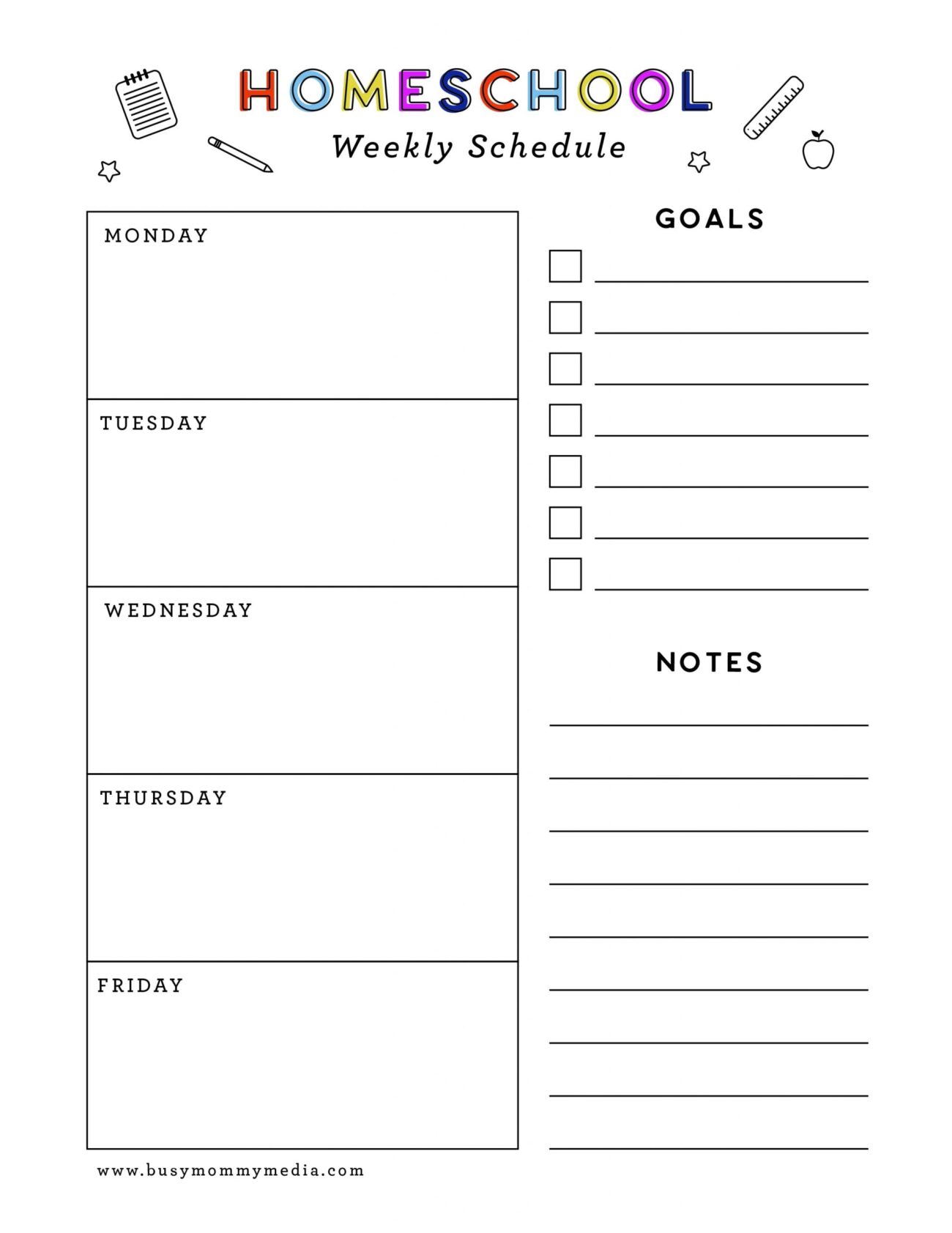
The Free Homeschool Weekly Planner Template is designed to help you structure your week effectively, ensuring that both you and your children stay on track with lessons and activities. This printable resource typically comes in a standard letter size (8.5 x 11 inches), making it easy to print at home or at a local print shop. The planner’s user-friendly layout not only supports your educational objectives but also promotes a balanced approach to learning.
Understanding the Layout of the Planner
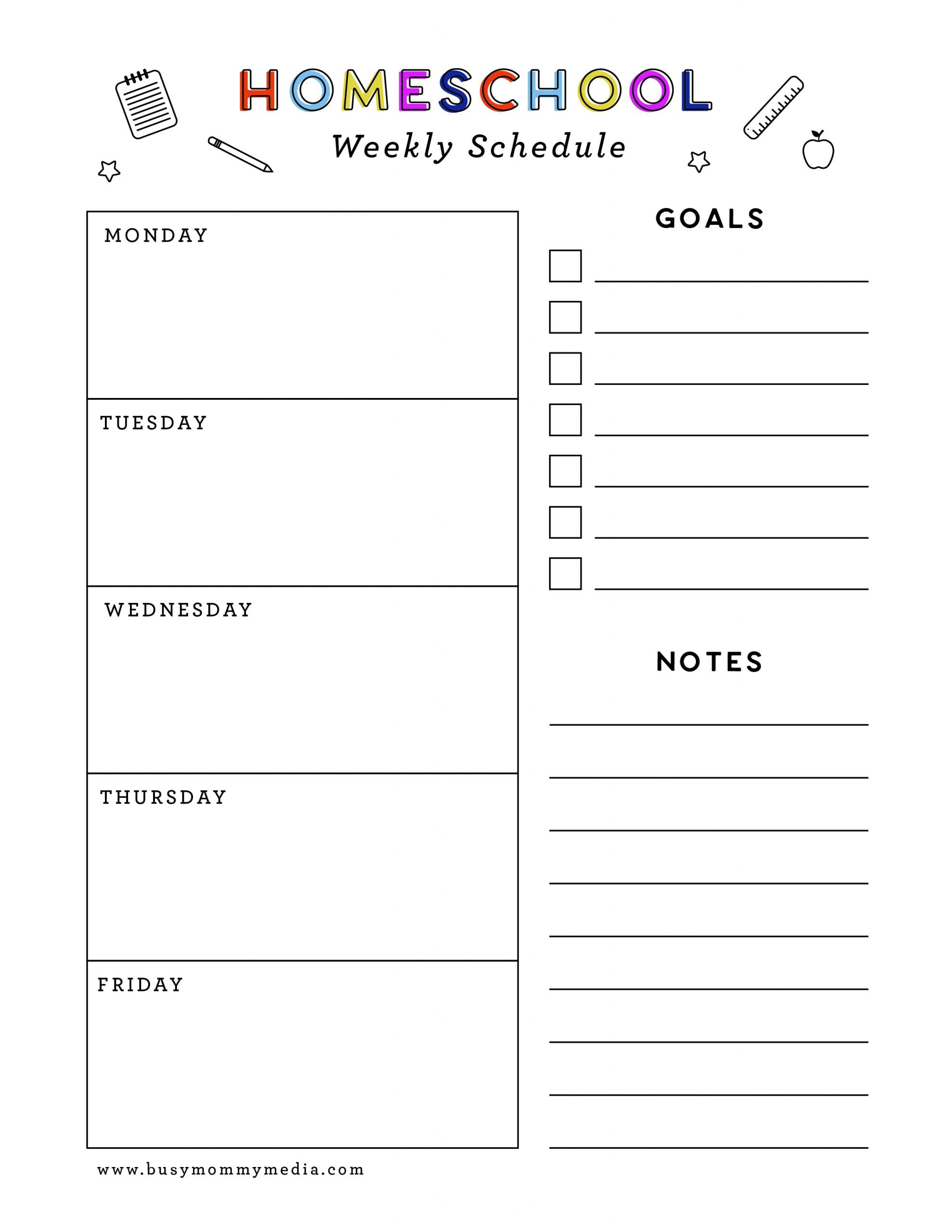
The layout of the Free Homeschool Weekly Planner Template is intuitive, with sections that cater to various subjects and activities. Generally, you’ll find a grid or table format, allowing you to break down your week day by day. Each day usually features separate boxes for subjects, assignments, and notes, which makes it easier to visualize your weekly plan.
Daily Sections
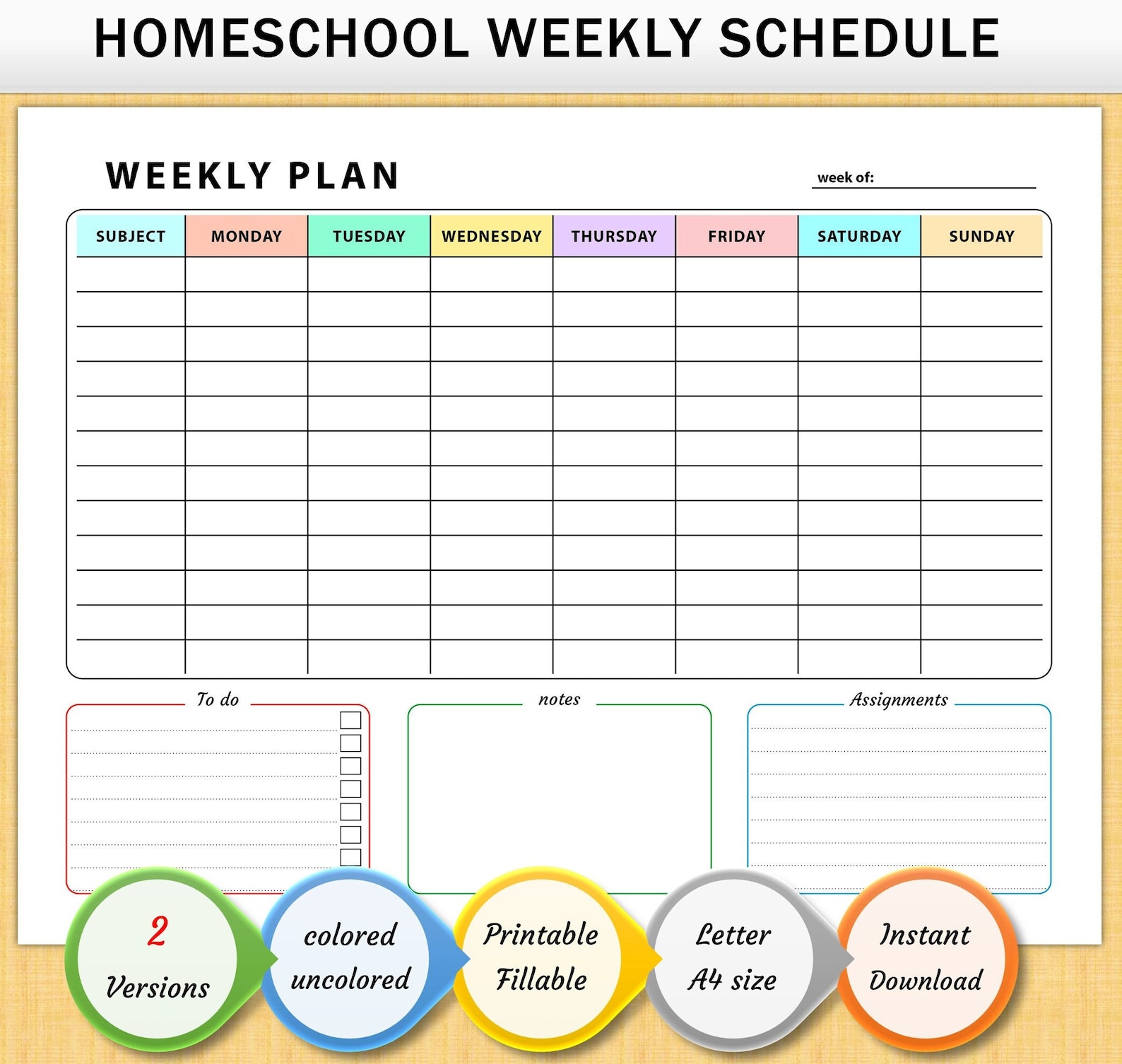
Most templates will have designated spaces for each day of the week, often running from Monday to Friday, with an optional section for the weekend. Within each day, you can typically organize the following:
- Subject: List the subjects you plan to cover, such as math, science, or language arts.
- Assignments: Write down specific tasks your child needs to complete.
- Notes: This area is great for jotting down observations, reminders, or resources needed.
This clear organization helps you ensure that nothing falls through the cracks, making it easier to adapt as needed throughout the week.
Customization Options
One of the most appealing aspects of the Free Homeschool Weekly Planner Template is its flexibility. You can customize it to fit your family’s needs, whether you’re homeschooling a preschooler or a high school student. Here are some ways to personalize your planner:
- Add Color Coding: Use different colors for subjects or grade levels. This visual differentiation can make it easier for both you and your kids to identify tasks at a glance.
- Incorporate Stickers or Washi Tape: If you enjoy a creative approach, adding stickers or decorative tape can make planning more engaging and fun for your children.
- Adjusting the Layout: If the template allows for it, consider changing the layout to better suit your scheduling style—whether that’s a block format, a checklist, or a combination of both.
This level of customization not only helps keep lessons organized but also makes planning a more enjoyable experience.
Binding and Printing Options
When it comes to binding your Free Homeschool Weekly Planner Template, you have several options. Depending on your preferences and how you plan to use the planner, consider:
- Loose-leaf: This option allows you to rearrange pages as needed. If you have multiple children or varying subjects, being able to move things around can be a lifesaver.
- Bound: A spiral-bound planner is often more durable and can lay flat, which is helpful during lessons. If you prefer a more permanent setup, this might be the way to go.
- Disc-bound systems: These offer the best of both worlds, allowing you to easily add or remove pages while keeping everything neatly organized.
Choosing the right binding option can enhance your planning experience, making it more functional and tailored to your homeschooling routine.
Utilizing the Planner for Follow-Through
Having a Free Homeschool Weekly Planner Template isn’t just about planning; it’s about ensuring follow-through. To maximize its effectiveness, consider these strategies:
- Weekly Reviews: Set aside time at the end of each week to review what was accomplished. This helps you assess what worked and what didn’t, allowing for adjustments in the upcoming week.
- Involve Your Kids: Encourage your children to participate in planning. This can help them take ownership of their education and develop organizational skills.
- Set Goals: Use the planner to establish both short-term and long-term educational goals. Write these down in the notes section, and revisit them regularly to keep everyone motivated.
By actively engaging with the planner, you can ensure that lessons are not just written down but effectively executed.
Additional Features to Look For
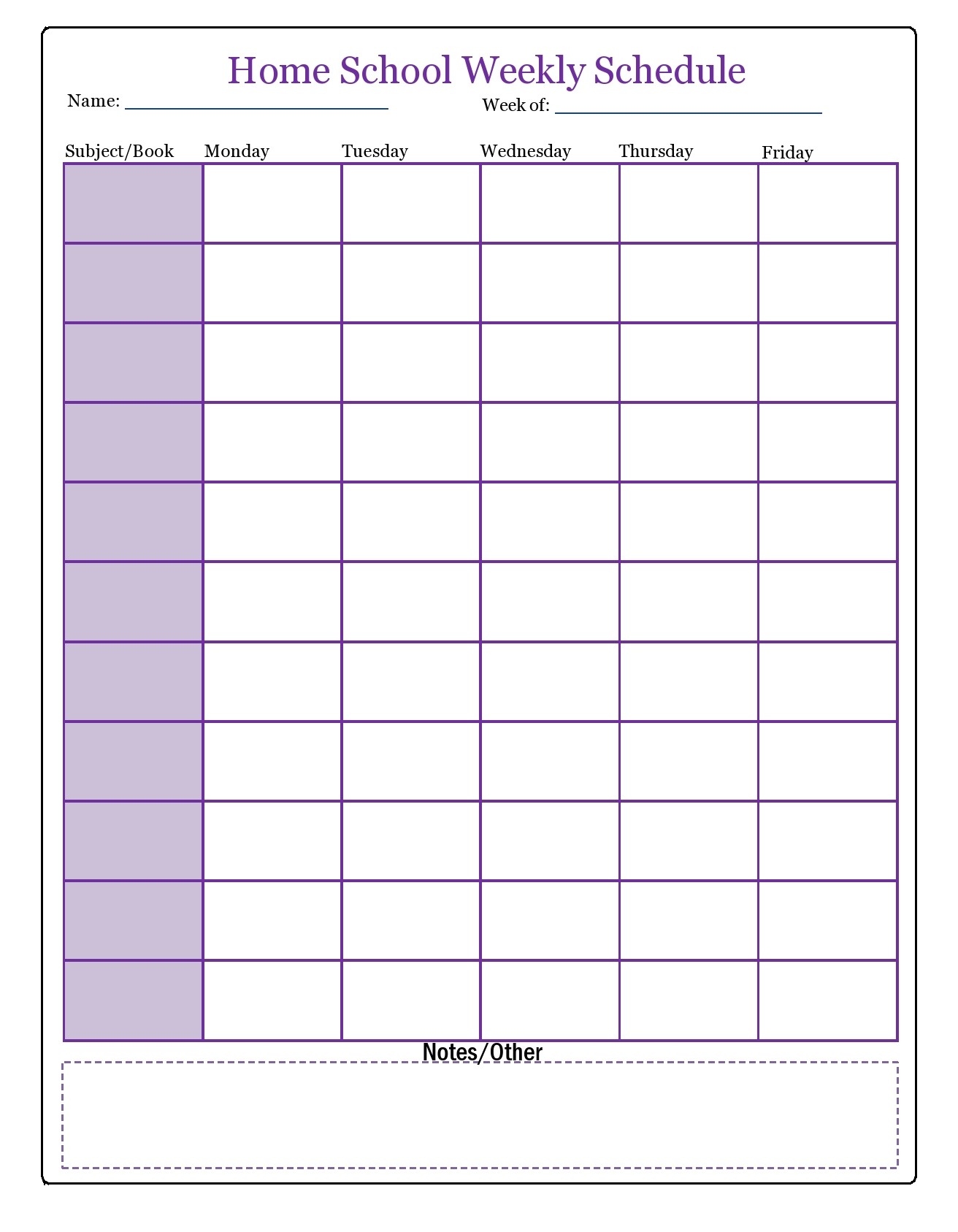
While many templates cover the basics, some may include additional features that can be beneficial. Here are a few you might want to look for:
- Monthly Overview: Some planners include a monthly view that allows you to plan ahead for field trips, holidays, or special projects.
- Resource List: An area dedicated to resources—books, websites, or supplies—can save time when preparing for lessons.
- Progress Tracking: Look for sections that let you track your child’s progress over time, which can be helpful for both motivation and assessment.
These added elements can enhance the usability of the planner and provide a more comprehensive approach to homeschooling.
