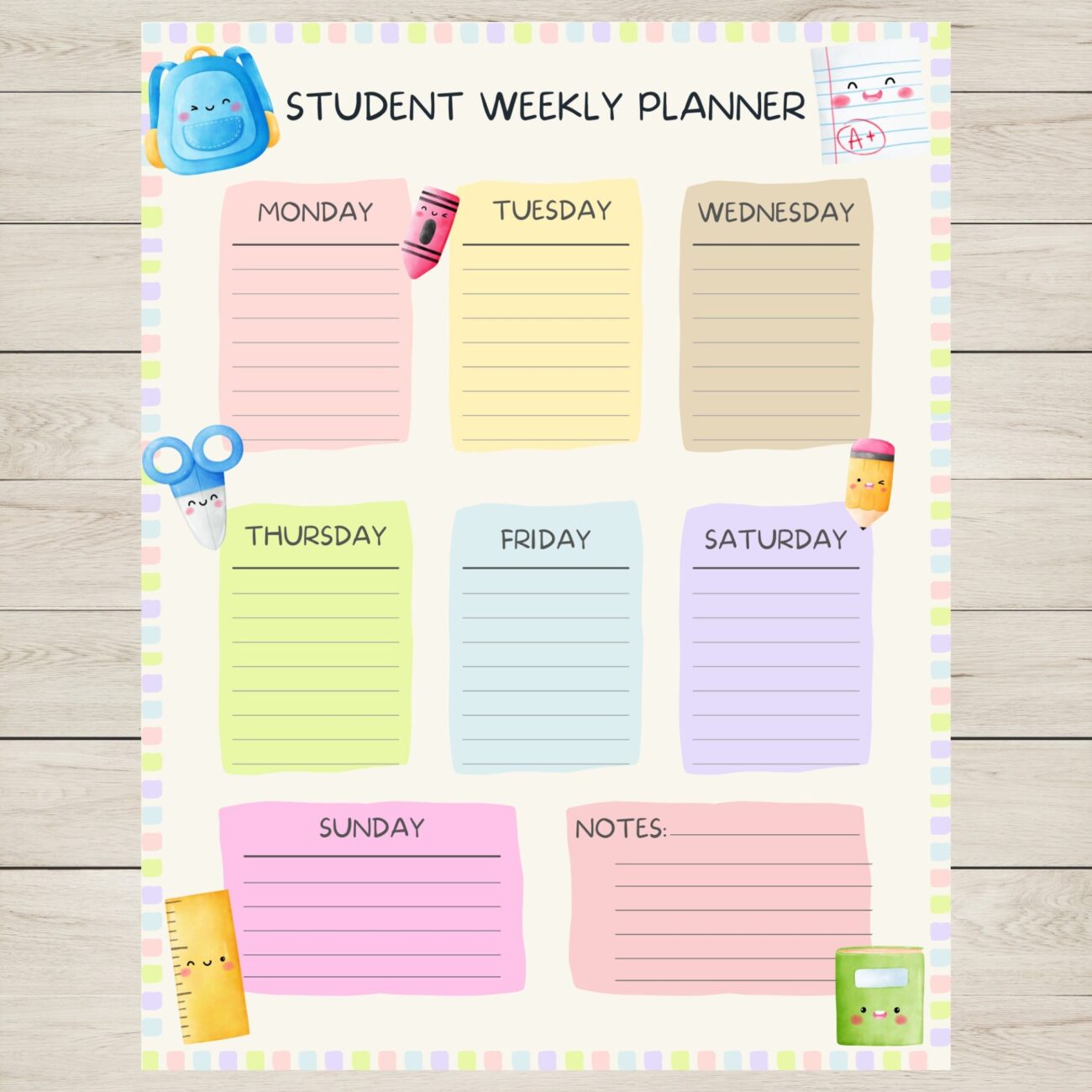
Finding the right organizational tool can be a useful option, especially for students juggling classes, assignments, and extracurricular activities. A Weekly Planner For Students Printable stands out from other planning resources because it’s specifically designed to accommodate the academic calendar and student lifestyle. This planner not only helps in tracking assignments and tests but also encourages students to plan their week effectively, making it easier to balance schoolwork with personal commitments.
Understanding the Layout of a Weekly Planner
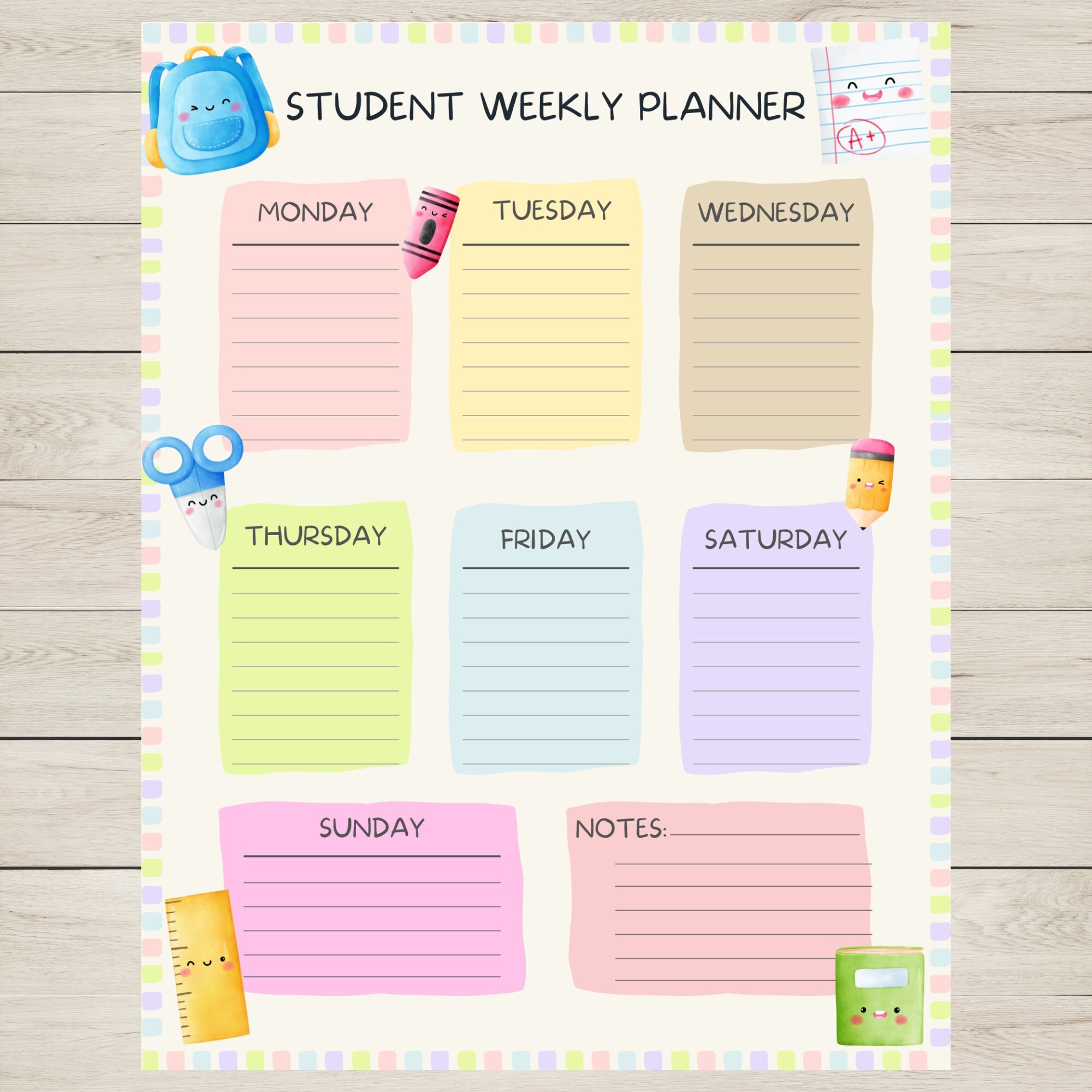
When you first download a weekly planner for students, take a good look at its layout. Most planners typically offer a two-page spread for each week, allowing you to see the entire week at a glance. This design is beneficial because it helps students visualize their commitments in one view.
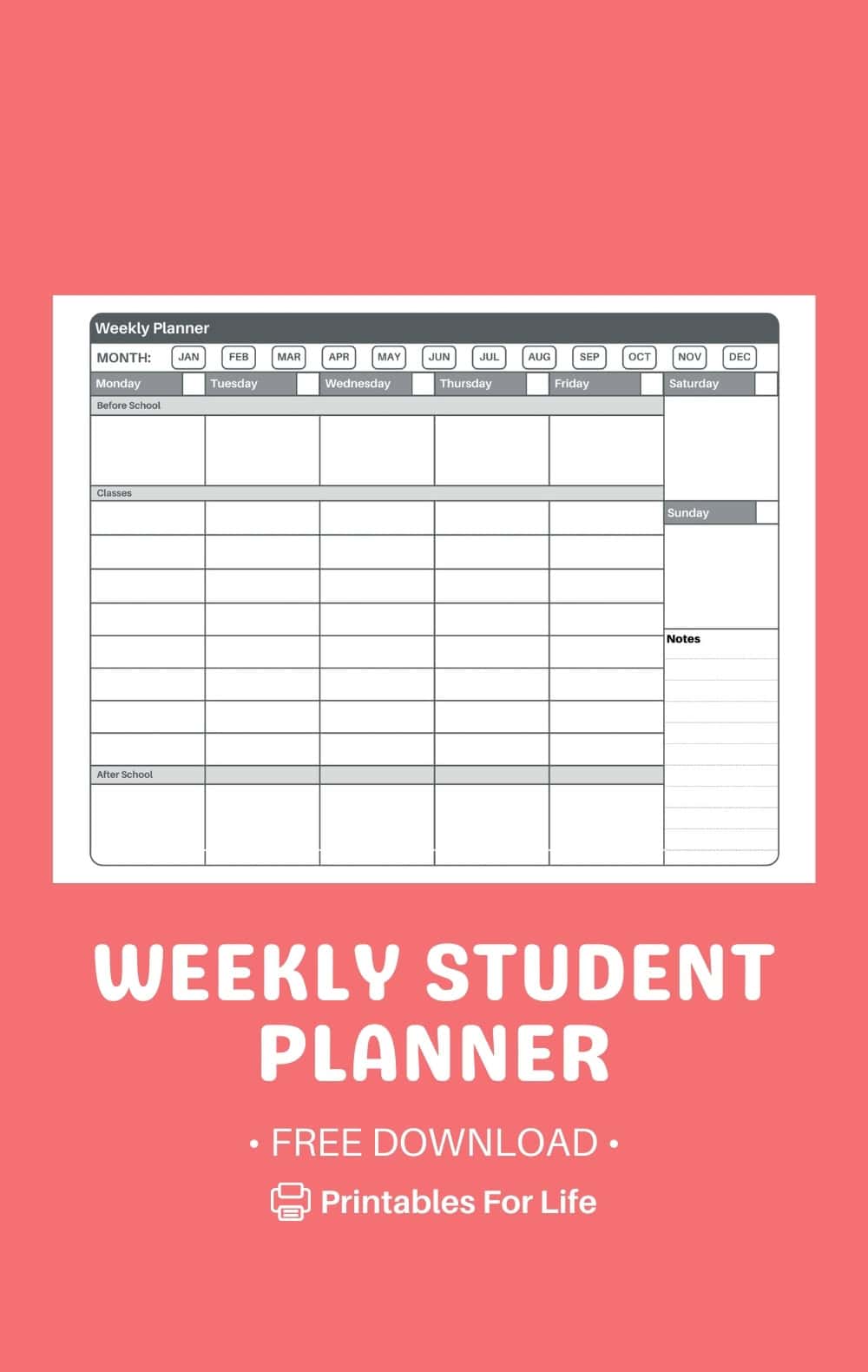
The layout often includes sections for each day of the week, which can be further divided into time slots. This granularity allows students to allocate specific times for studying, attending classes, or working on projects. It’s common to find sections for notes or reminders at the bottom or side of the pages. Utilizing these spaces can help keep essential tasks top of mind.
Sections That Make a Difference
Daily Breakdown
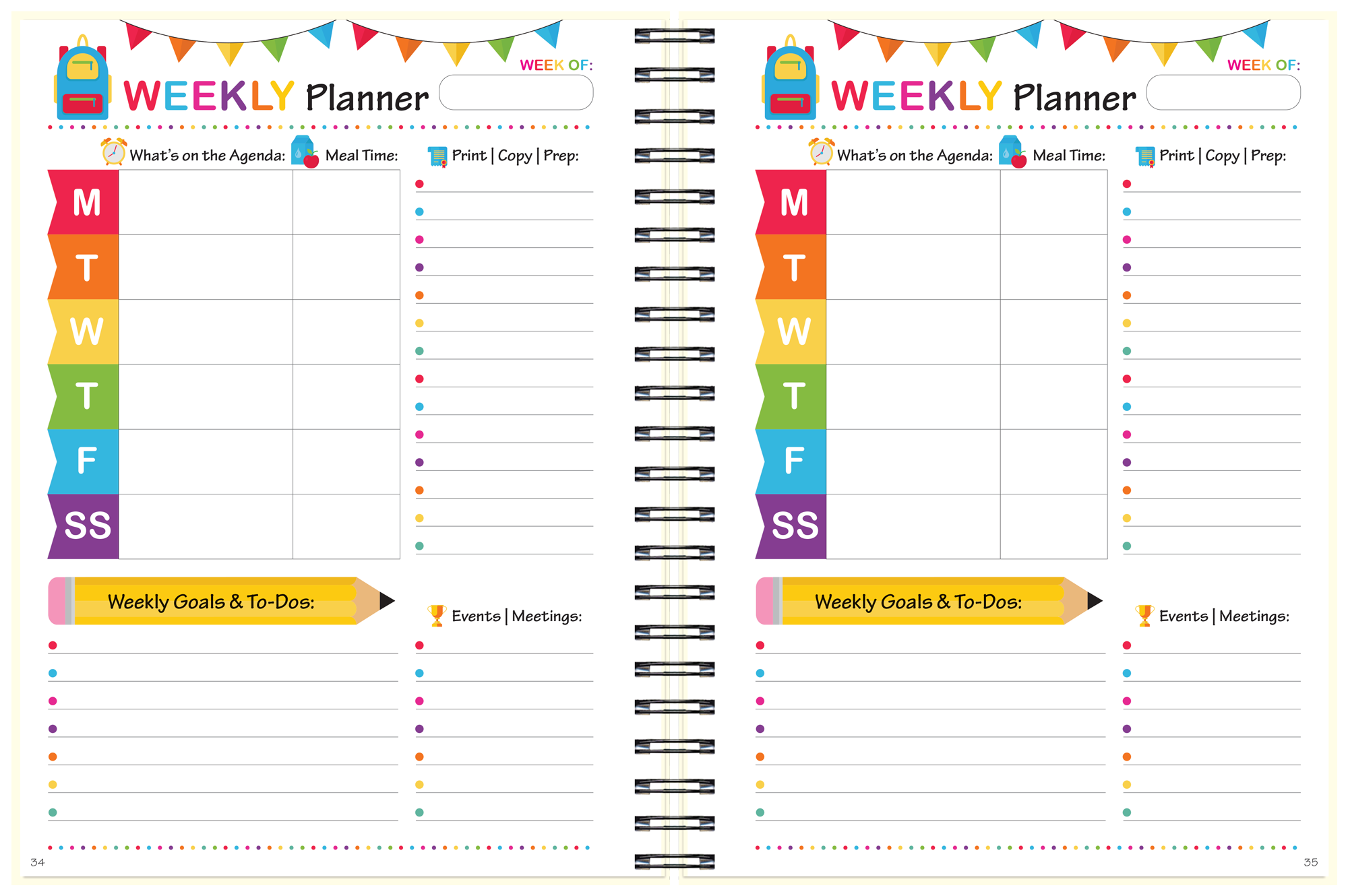
Each day typically features a space where students can jot down their specific tasks, assignments, and deadlines. This daily breakdown isn’t just for classes; it can also include personal commitments like club meetings, sports practices, or social events. By filling in these sections, students can ensure they’re not overcommitting or forgetting important events.
Weekly Goals
Another valuable section often included is for setting weekly goals. This feature encourages students to reflect on what they want to achieve each week, whether that’s completing a project, studying for an exam, or even practicing a hobby. Having clear goals helps maintain motivation and provides a sense of accomplishment as tasks are completed.
Notes and Reminders
Planners often include a notes or reminders section, which serves as a catch-all for anything that doesn’t fit neatly into the daily schedule. This could be a place to track upcoming exams, important dates, or even personal reflections. This flexibility is crucial for students who might have unpredictable schedules.
Customization Options
One of the best aspects of a Weekly Planner For Students Printable is its adaptability. You can personalize it according to your unique needs. For example, if you have specific subjects that require more attention, you might decide to color-code your entries. Using different colors for different subjects can help you quickly identify what needs your focus.
Additionally, you can laminate the planner for durability, especially if you prefer to use dry-erase markers for a reusable experience. This method allows for easy adjustments throughout the week as plans change.
Effective Planning Techniques
To get the most out of your weekly planner, consider incorporating some effective planning techniques. Here are a few to try:
Time Blocking
Time blocking is a popular strategy where you allocate specific blocks of time to different activities. For example, you might reserve mornings for classes, afternoons for studying, and evenings for relaxation or social activities. By assigning time slots, you can ensure that you are dedicating adequate time to each responsibility without overlap.
Prioritization
When filling out your planner, it’s helpful to prioritize tasks. You might use symbols or a numbering system to indicate which tasks are urgent or important. This way, when you glance at your planner, you know immediately what needs your attention first.
Weekly Review
Set aside time each week to review your planner. This can be a Sunday afternoon ritual where you assess what you accomplished the previous week and adjust your goals for the upcoming week. This practice not only helps you stay organized but also provides an opportunity for reflection and adjustment.
Printable Vs. Digital Planners
While many students turn to digital applications for planning, a printable weekly planner offers tangible benefits. The act of writing things down can enhance memory retention, making it easier to remember tasks and deadlines. Plus, you can customize your printed planner in ways that a digital planner may not allow, such as adding stickers or drawings to make it uniquely yours.
However, if you’re inclined toward digital tools, consider printing just a few pages of your planner to have handy. This hybrid approach can give you the best of both worlds.
Paper Choices for Printing
When it comes to printing your Weekly Planner For Students Printable, the type of paper can significantly affect its usability. Here are some options to consider:
- Standard Printer Paper: This is the most common choice and works well for everyday use. It’s cost-effective and readily available.
- Cardstock: If you want something sturdier, cardstock is an excellent option. It holds up well, especially if you plan to laminate your planner.
- Recycled Paper: For the environmentally conscious, recycled paper can be a great choice. It’s just as functional and reduces waste.
Make sure to set your printer settings to the correct paper size (usually A4 or Letter size) to avoid any formatting issues.
