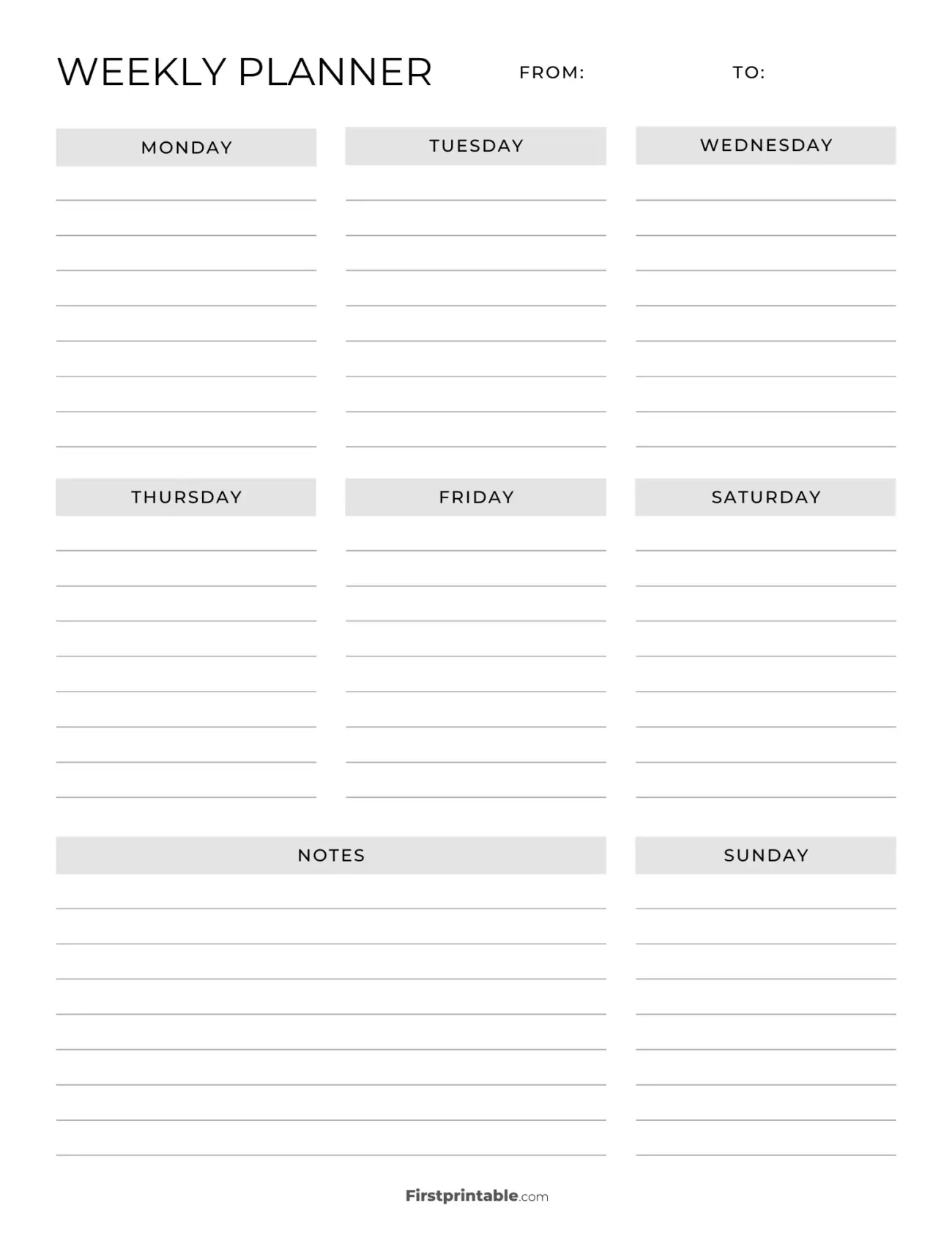
A weekly planner free printable weekly calendar can be a transformative tool for anyone looking to boost their productivity. With a variety of formats and layouts, these planners help you visualize your week, set goals, and track your progress. If you are managing personal tasks, work commitments, or family activities, having a dedicated planner can keep you organized and focused.
Choosing the Right Format for Your Weekly Planner
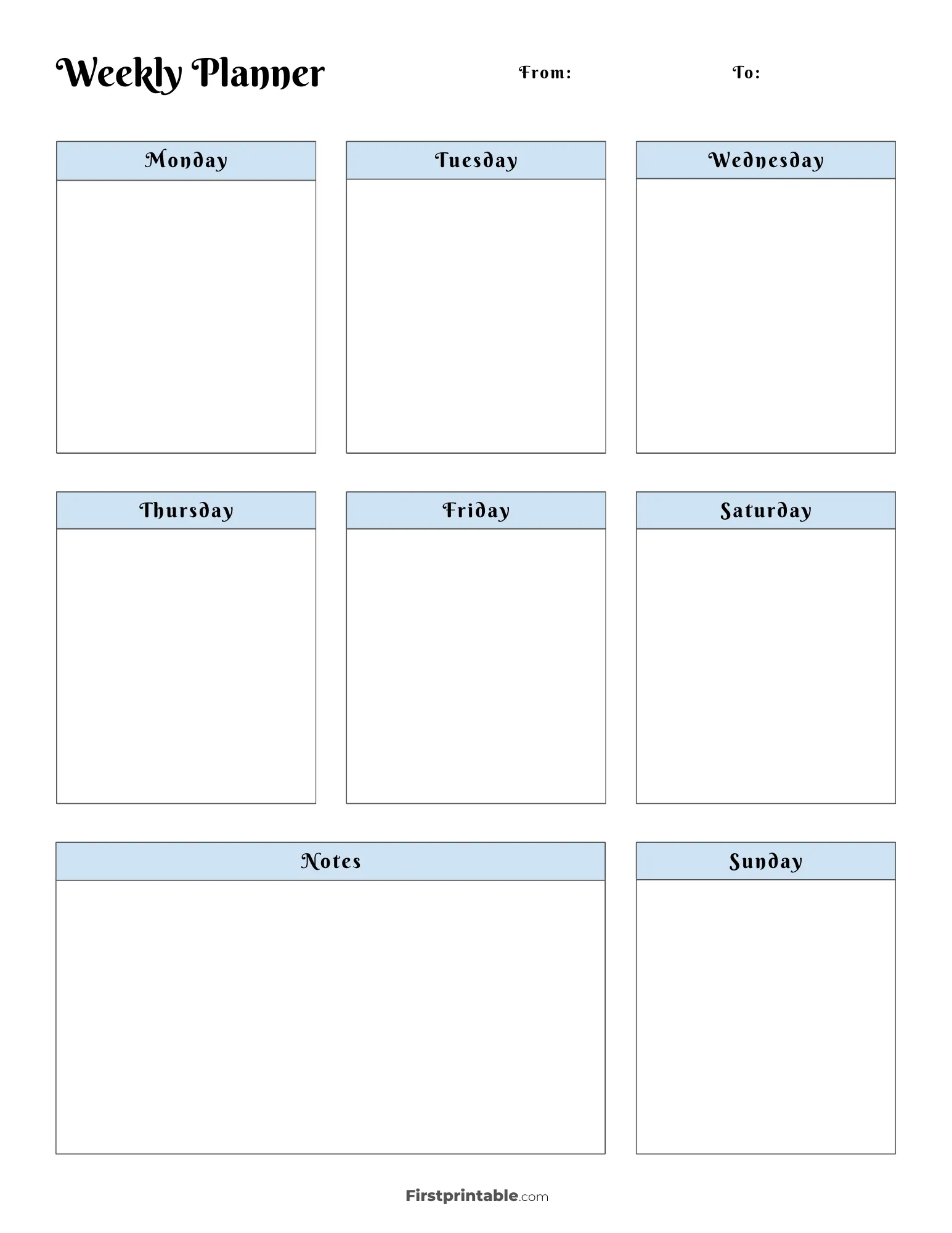
When selecting a printable weekly planner, you might encounter different formats, such as portrait or landscape orientations. Portrait layouts tend to work better for most home printers and are easier to handle when you’re jotting down notes. Landscape layouts, on the other hand, provide more horizontal space, which can be advantageous if you prefer a more expansive view of your week.
PDF is the most common format for printable planners. This format retains its layout across different devices and printers, ensuring that you won’t face any unexpected reformatting issues. Additionally, PDFs are generally easier to download and print, making them a popular choice for printable resources.
Downloading and Printing Your Planner
Once you’ve chosen your preferred planner layout, downloading it is typically straightforward. Look for a download button or link on the resource website. After downloading, open the PDF on your laptop or mobile device. Ensure that your PDF viewer is up to date for the best performance.
For printing, consider the following settings:
- Paper Size: Most planners are designed for standard letter size (8.5 x 11 inches) or A4 (8.3 x 11.7 inches). Check your printer’s paper settings to match.
- Print Quality: Select a high-quality print setting for clear text and vibrant colors, especially if your planner includes designs or colored sections.
- Scaling Options: Ensure that the scaling option is set to “Fit” or “Actual Size” to avoid any cropping of the content.
Selecting the Right Paper for Your Planner
The type of paper you choose can significantly affect your planner’s usability. Here are a few options to consider:
- Standard Printer Paper: This is the most common choice. It’s cost-effective and works well for everyday use.
- Cardstock: If you want a sturdier planner that can withstand frequent handling, cardstock is an excellent option. It’s thicker and more durable, making it suitable for lamination.
- Recycled Paper: For the environmentally conscious, recycled paper provides a sustainable option without sacrificing quality.
If you plan to use markers or highlighters, consider using paper that is thicker to prevent bleed-through.
Customizing Your Weekly Planner
Customization can enhance the effectiveness of your weekly planner. Many free printable planners come with blank sections for notes, goals, and priorities. You can personalize these areas to suit your specific needs.
Here are some ideas for customizing your planner:
- Color Coding: Use different colored pens or highlighters for various categories like work, personal, and family. This visual cue can help you quickly identify what tasks belong to which category.
- Stickers: Adding stickers can make planning more enjoyable and visually appealing. Use them to mark important dates, highlight accomplishments, or denote special events.
- Additional Notes: Some planners include extra space for notes or reflections. Utilize this space to jot down thoughts, reminders, or ideas that arise throughout the week.
Using Your Weekly Planner Effectively
To get the most out of your weekly planner, consider the following strategies:
- Set Clear Goals: At the beginning of each week, outline your main objectives. This can guide you in prioritizing tasks and staying focused.
- Daily Check-Ins: Spend a few minutes each day reviewing your planner. This can help you stay on track and adjust your plans as needed.
- Reflect and Adjust: At the end of the week, take a moment to reflect on what worked and what didn’t. Adjust your planning strategies for the following week based on these insights.
- Incorporate Breaks: Don’t forget to schedule breaks and downtime. A well-rounded planner includes time for relaxation and self-care.
Displaying Your Planner
Once printed, consider how you’ll keep your planner accessible. Here are a few options:
- Binders: Using a three-ring binder allows you to add or remove pages easily. It’s also a great way to keep your planner organized.
- Clipboards: If you prefer a more portable option, a clipboard can hold your planner while you write.
- Wall Displays: For those who like to see their plans at a glance, consider hanging your planner on a wall or bulletin board in a prominent spot.
Tips for Maintaining Your Planner Routine
Creating a routine around your planner can enhance its effectiveness. Here are some tips:
- Consistency is Key: Try to set aside a specific time each week for planning. This consistency will help solidify the habit.
- Stay Flexible: Life can be unpredictable. If something comes up, don’t hesitate to adjust your plans. The goal is to stay organized, not to add stress.
- Use Technology Wisely: If you also use a digital calendar, sync important dates and deadlines to avoid duplication of effort.
