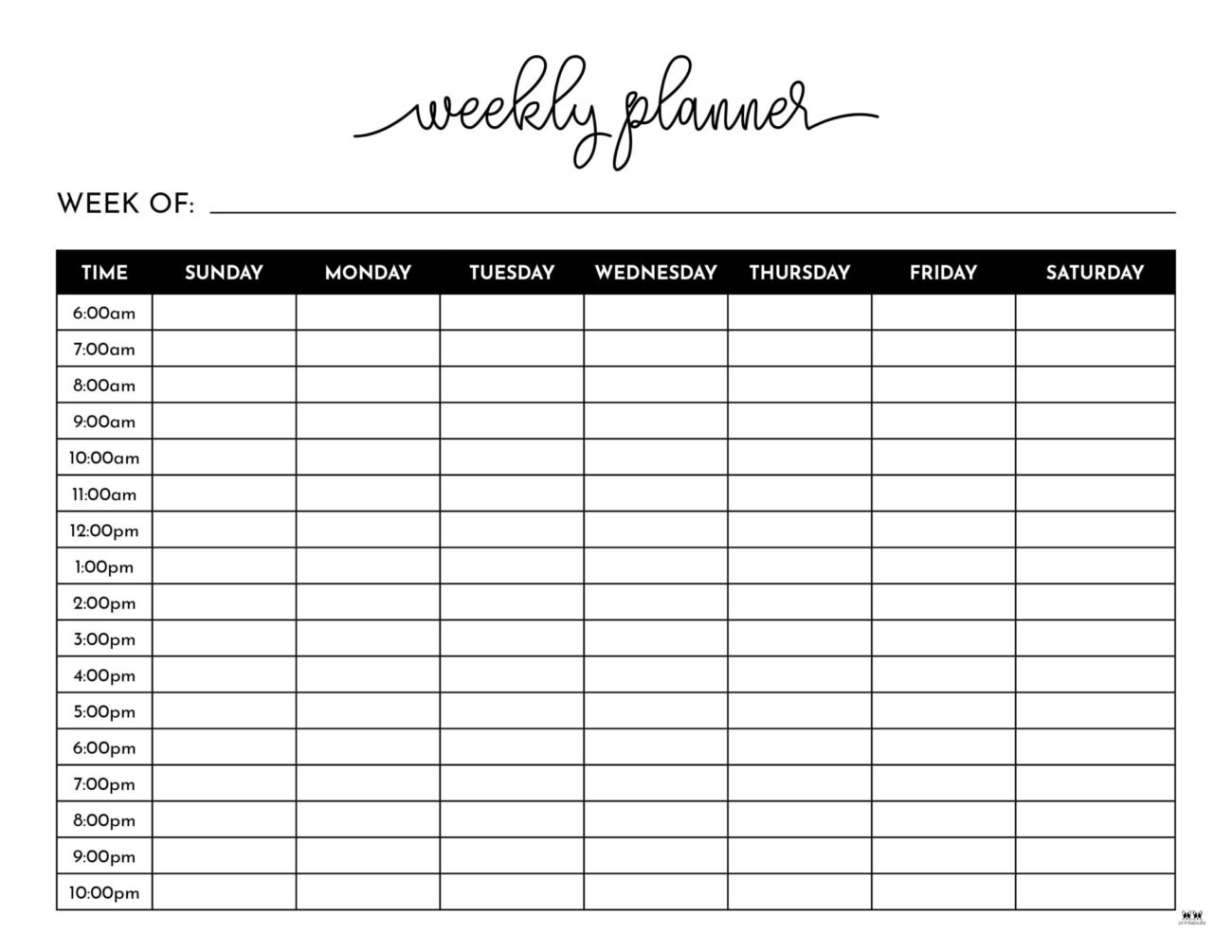
Using a Weekly Planner With Times Printable can be a useful option for anyone looking to streamline their schedule and boost productivity. This planner typically comes in an easy-to-print format, often designed for standard letter size (8.5″ x 11″), making it perfect for home printers. With designated time slots, you can effectively allocate your day, ensuring that appointments, tasks, and personal goals are given the attention they deserve.
Understanding the Layout and Design
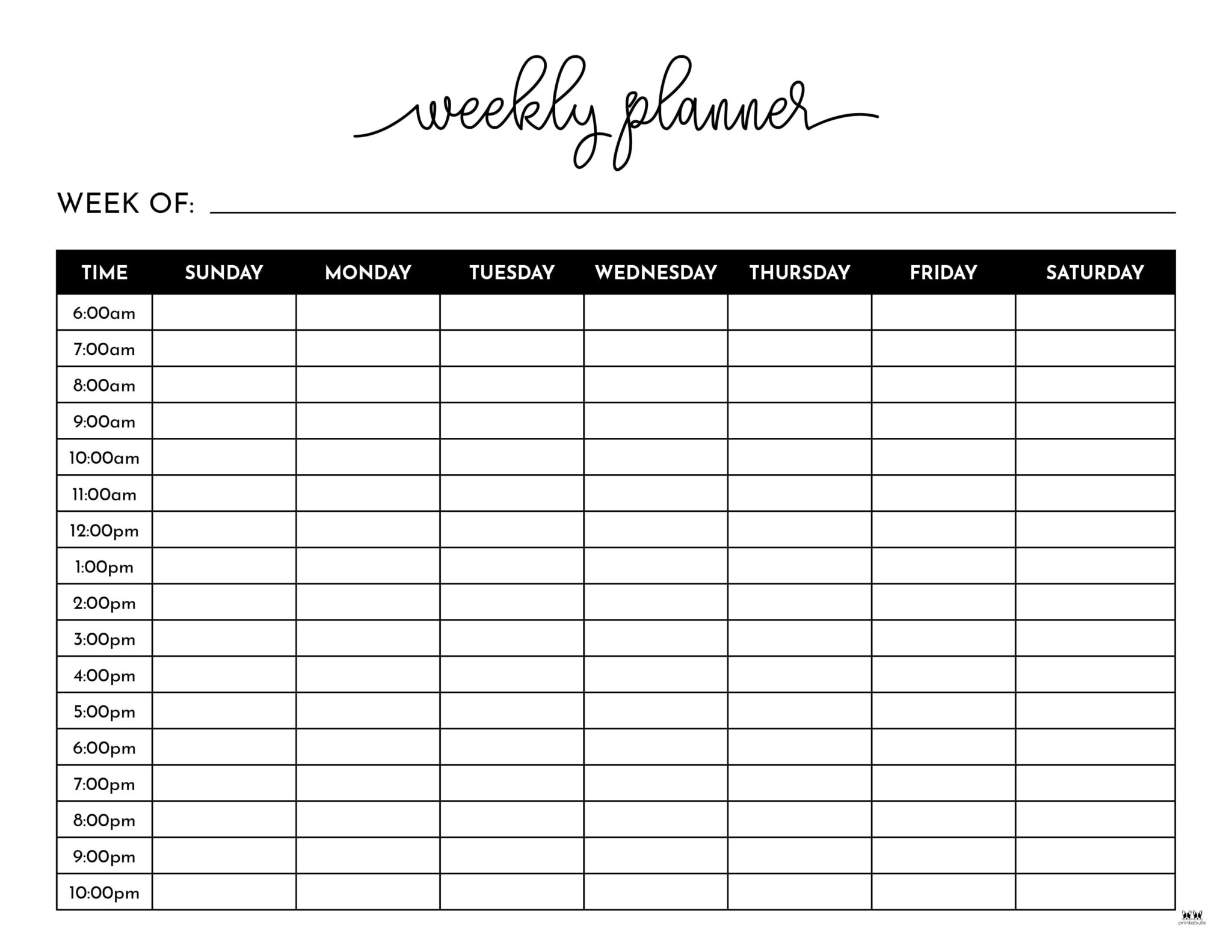
A well-designed weekly planner is more than just a calendar; it’s a tool for organization and productivity. Most planners include sections for each day of the week, with time slots that can range from hourly increments to more flexible blocks. This design helps you visualize your day at a glance.
Time Slot Features
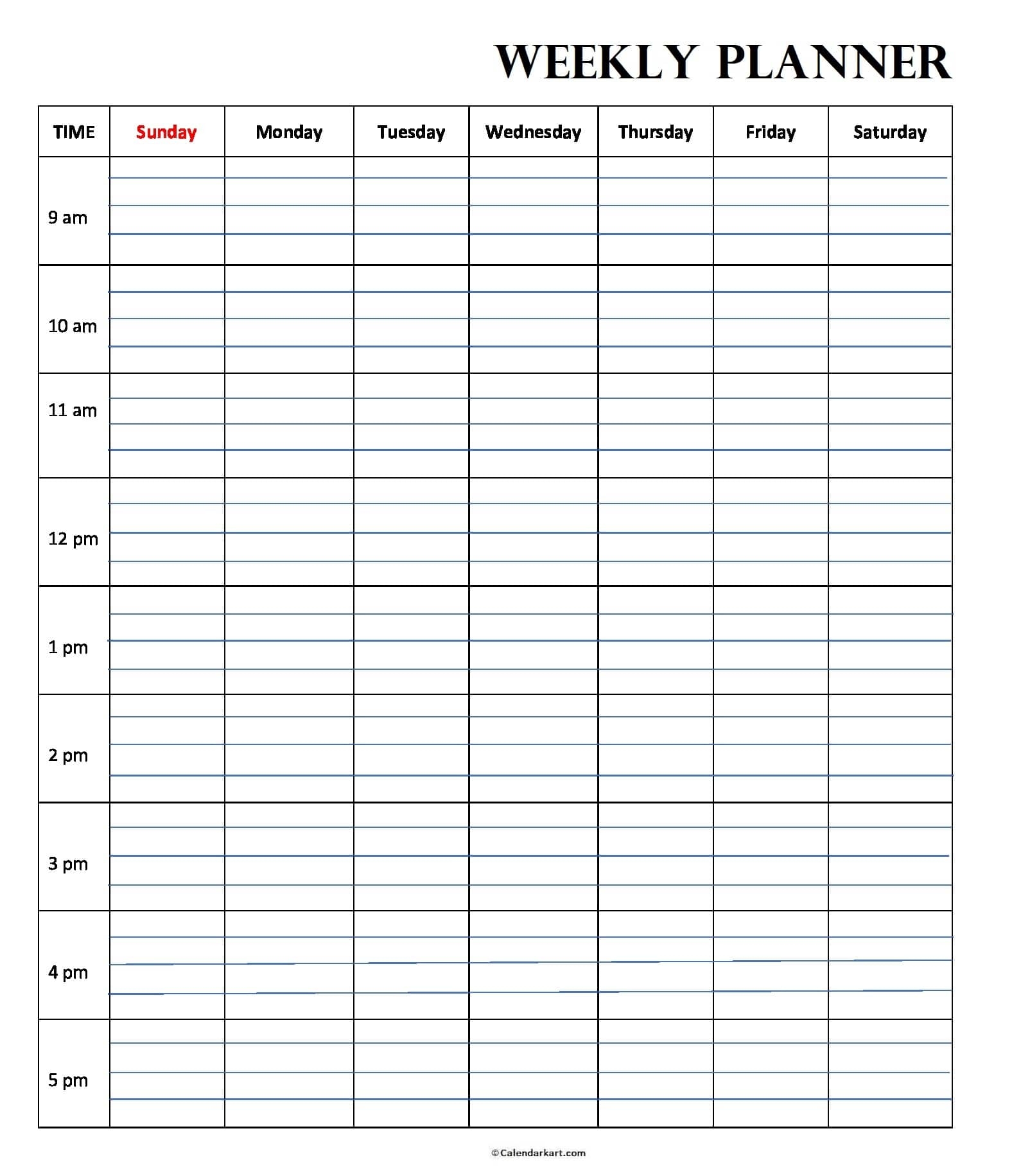
The time slots in a weekly planner are crucial for effective time management. Many planners break the day into hourly segments, allowing you to schedule everything from meetings to personal errands. Alternatively, some planners may offer broader blocks of time, which can be beneficial for tasks that require more flexibility or focus.
Customizable Sections
Look for planners that offer customizable sections. Some planners may include areas for notes, to-do lists, or even motivational quotes. This added functionality allows you to tailor the planner to your specific needs, making it a more personalized experience.
How to Use Your Planner Effectively
Simply having a weekly planner isn’t enough; consistent use is key to developing effective habits. Here are a few practical tips to make the most out of your planner:
Set Weekly Goals
Before the start of each week, take a moment to jot down your goals. This could include personal, professional, or health-related objectives. By writing these down, you create a roadmap for your week, allowing you to prioritize your time accordingly.
Block Time for Tasks
Once you have your goals in place, allocate specific time slots for each task. If you’re working on a project, break it down into manageable segments and assign those segments to your planner. Doing this not only helps you stay on track but also allows you to celebrate small wins throughout the week.
Review and Reflect
At the end of each week, take a few minutes to reflect on what worked and what didn’t. Did you accomplish your goals? Were there tasks that you consistently pushed to the next week? Use this information to adjust your planning strategy for the upcoming week.
Benefits of Using a Weekly Planner With Times
Adopting a weekly planner with time slots can significantly impact your productivity and time management skills. Here are some of the key benefits:
Enhanced Time Management
With designated time slots, you can manage your time more effectively. This structure helps eliminate procrastination and keeps you focused on the task at hand. By visualizing your time, you’re less likely to overcommit or underestimate how long a task will take.
Increased Accountability
When you write down your tasks and appointments, you create a sense of accountability. This is especially true if you share your planner with a partner or colleague. Knowing that others are aware of your commitments can motivate you to follow through.
Improved Goal Setting
A weekly planner encourages you to set and track your goals. This can be particularly beneficial for long-term projects, as it allows you to break them down into smaller, more manageable tasks. Seeing your progress week by week can provide the motivation you need to stay on track.
Choosing the Right Printable Planner
Not all weekly planners are created equal. When selecting a printable planner, consider the following factors:
Format and Style
Look for a planner that matches your personal style and needs. Some people prefer a minimalist design, while others may be drawn to colorful, decorative planners. The format should also fit comfortably on your desk or workspace.
Print Quality
Ensure that the planner is designed for high-quality printing. A PDF format is often preferred, as it preserves the layout and design regardless of the printer used. Additionally, choosing a planner that specifies compatibility with standard paper sizes will save you time and hassle.
Availability of Additional Resources
Some printable planners come with additional resources, such as habit trackers, monthly overviews, or even motivational stickers. These extras can enhance your planning experience and help keep you engaged.
Building a Habit With Your Planner
Building the habit of using a weekly planner doesn’t happen overnight. It takes time and commitment to make it a part of your routine. Here’s how you can make it stick:
Consistent Scheduling
Set aside a specific time each week to plan. Whether it’s Sunday evening or Monday morning, find a time that works for you and stick to it. This consistency will help turn planning into a habit.
Make it Visible
Place your planner in a visible location. Whether it’s on your desk or in your bag, having it readily accessible will remind you to use it. Consider using colorful pens or stickers to make the planning process more enjoyable.
Involve Others
If you’re planning family activities or work-related tasks, involve others in the process. This can encourage accountability and make planning a more collaborative effort.
Final Considerations for Your Planner
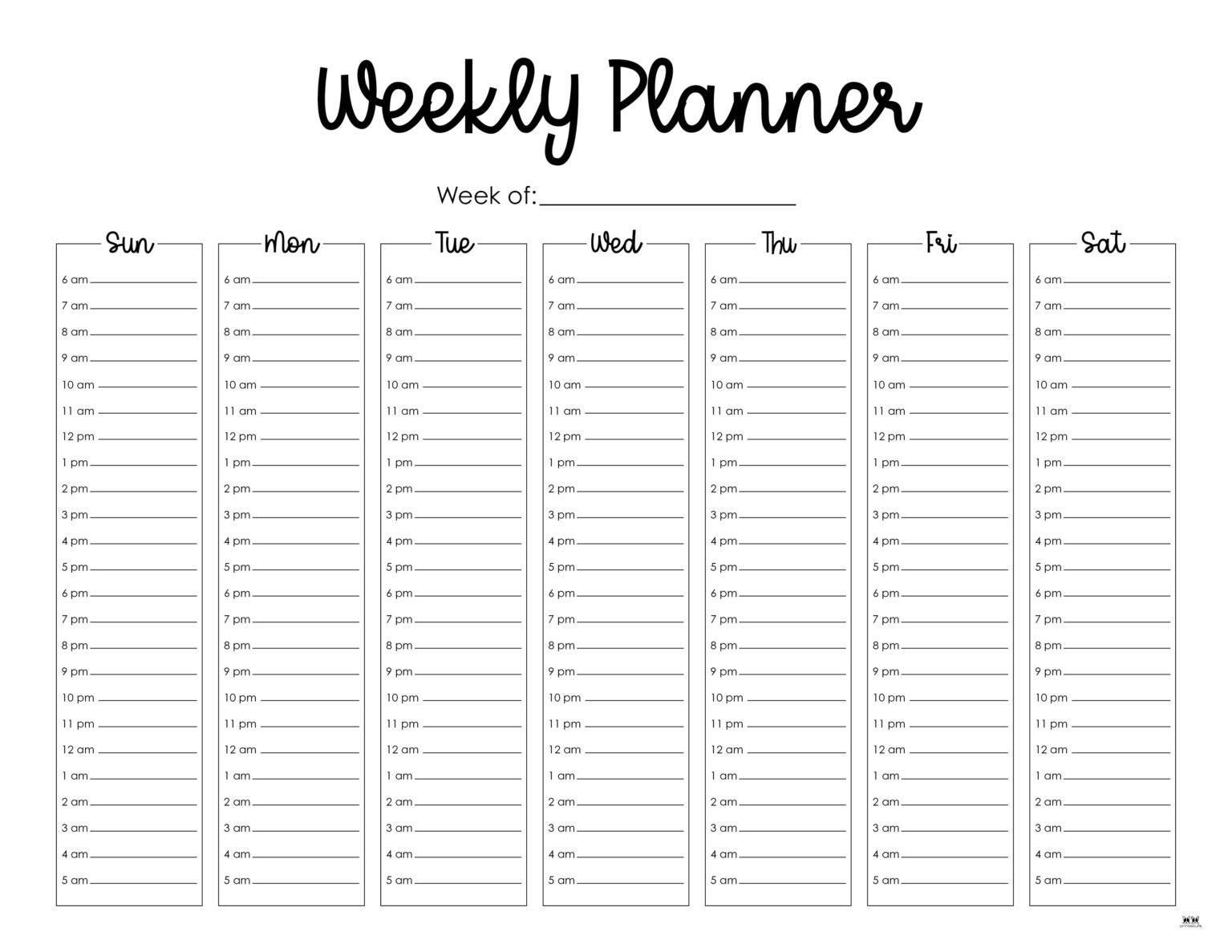
As you embark on your planning journey, keep in mind that it’s a personal process. Everyone’s needs and preferences are different, so don’t hesitate to modify your planner to suit your style.
Ultimately, a Weekly Planner With Times Printable is a valuable tool that can help you manage your time more effectively and achieve your goals. The key lies in consistent use, reflection, and adapting the planner to fit your unique needs. One last detail to consider is the option to laminate your planner pages if you want to reuse them with dry-erase markers, which can add an extra layer of functionality.
