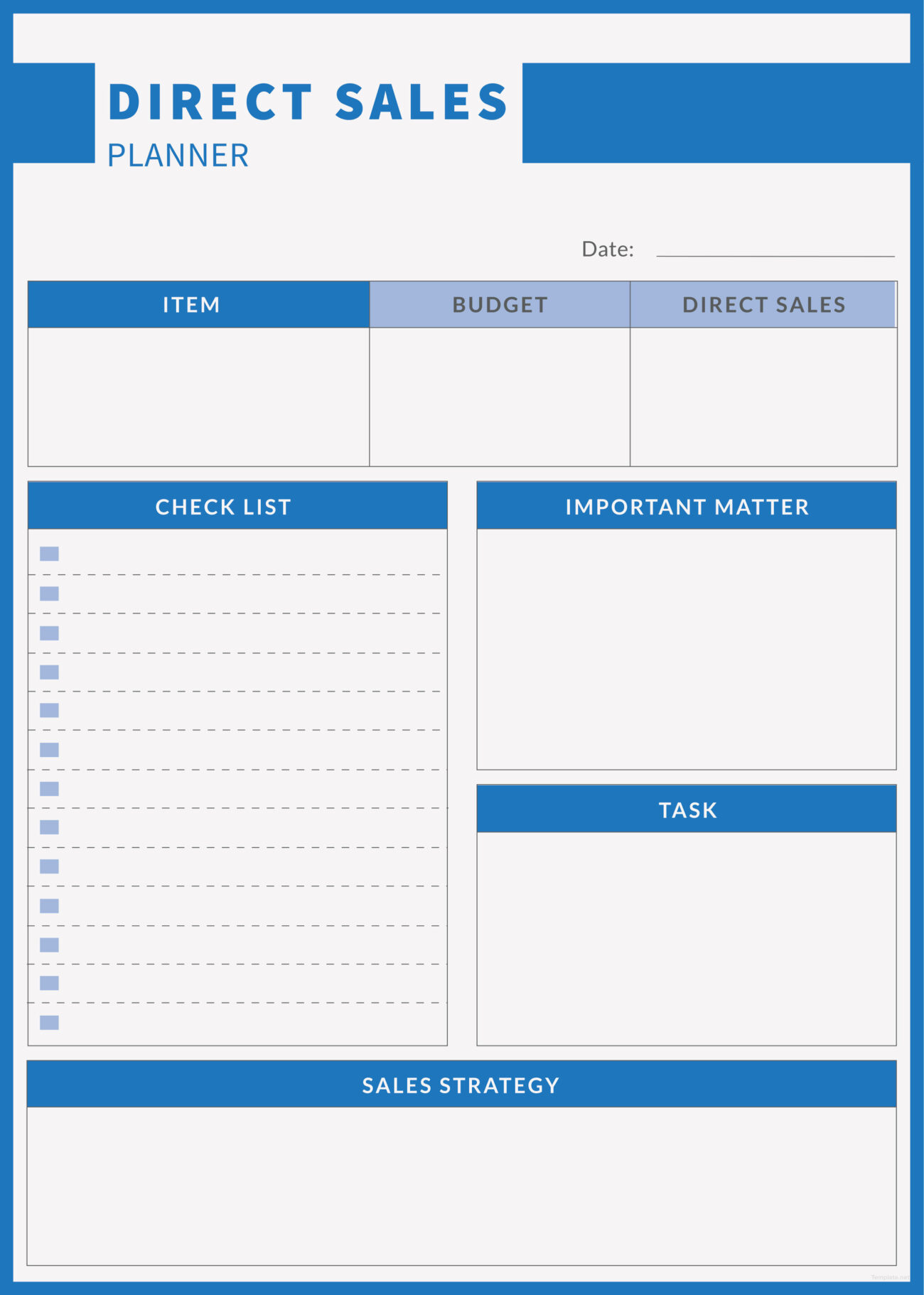
When it comes to managing a direct sales business, having the right tools can make all the difference. A Free Printable Direct Sales Planner offers a structured way to track your goals, manage your inventory, and organize your daily tasks. This planner stands out from generic options by catering specifically to the unique needs of direct sellers, providing a comprehensive yet customizable approach to planning.
Why Use a Direct Sales Planner?
While many planners exist, not all are tailored for direct sales. A specialized planner can help you focus on sales targets, customer relationships, and event planning. Here are a few reasons why you might choose a direct sales planner over a standard one:
- Targeted Sections: Unlike generic planners, a direct sales planner includes specific sections for team management, sales tracking, and inventory management.
- Customization: You can tailor the planner to suit your personal business style, allowing you to add or remove sections based on your needs.
- Visual Organization: Planners designed for direct sales often incorporate visual aids, such as charts and graphs, that help you quickly assess your performance.
Using a planner that addresses these specific areas can help streamline your workflow and enhance productivity.
Key Features of the Free Printable Direct Sales Planner
When selecting a free printable direct sales planner, it’s essential to consider its features. Here are some significant components that you should look for:
Layout Options
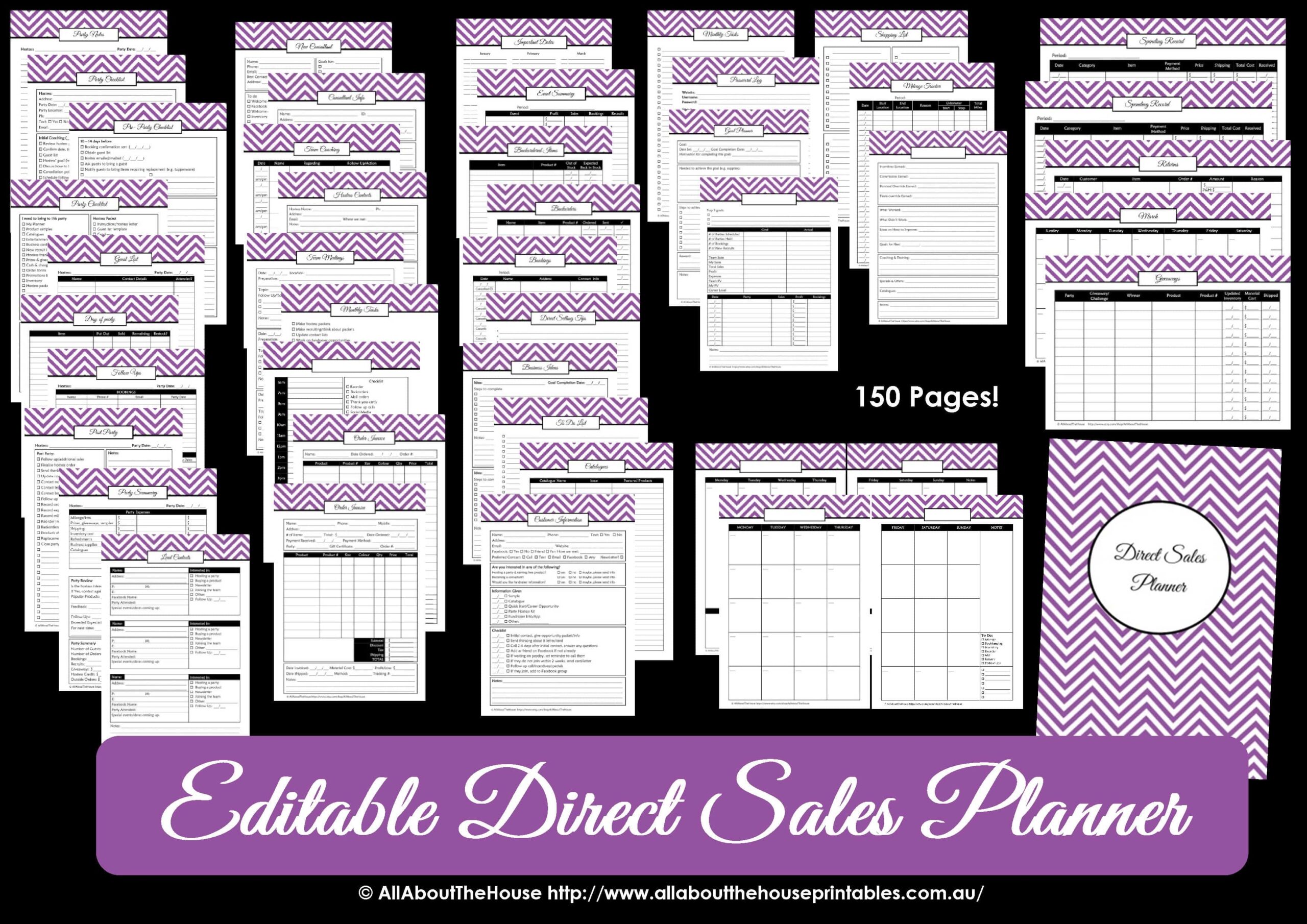
The layout of your planner can affect how you use it. Most planners come in two primary layouts: portrait and landscape.
- Portrait Layout: This layout tends to work better for most home printers. It allows for a more compact design, which can fit neatly into a binder.
- Landscape Layout: While less common, a landscape layout can provide more space for writing and is ideal if you prefer to have larger sections for notes.
Sections to Include
A well-rounded direct sales planner should have several key sections to help you manage your business effectively. Here are some essential sections to consider:
- Monthly Goals: Set specific sales targets and track your progress.
- Customer Relationship Management: Keep track of customer interactions and follow-ups.
- Inventory Tracking: Monitor stock levels and reorder supplies as needed.
- Monthly Calendars: Plan your events, sales parties, and promotional campaigns.
Paper Type and Size
The type of paper you use can influence the durability and usability of your planner. Common options include:
- Standard Printer Paper (A4 or Letter Size): Suitable for most planners, this option is cost-effective and easy to find.
- Cardstock: If you want a sturdier planner that can withstand daily use, cardstock is an excellent choice. It holds up best if you plan to laminate pages.
Binding Options for Your Planner
Choosing how to bind your planner is another critical decision. Different binding methods offer various advantages, depending on your preferences and usage style.
Loose-Leaf Vs. Bound
- Loose-Leaf: This option allows you to add or remove pages easily. It’s ideal for those who frequently change their planning needs or want to update sections regularly.
- Bound: A bound planner is typically more compact and easier to carry around. However, it restricts your ability to customize it after purchase.
Hole-Punch Spacing
If you opt for a loose-leaf system, consider the hole-punch spacing. Standard hole-punched pages fit most binders, but if you have a specific ring size, ensure the spacing matches your binder.
Using the Planner Effectively
Having a planner is just the beginning; using it effectively is where the real value lies. Here are a few tips:
- Set a Regular Review Schedule: Dedicate time weekly to review your goals and adjust your plans as necessary. This will keep you accountable and focused.
- Incorporate Visual Elements: Use colored pens or stickers to highlight important dates or achievements. This can make planning more engaging and visually appealing.
- Track Your Progress: Regularly update your sales figures and customer interactions. This will help you identify trends and adjust your strategies accordingly.
Common Pitfalls to Avoid
While using a direct sales planner can significantly aid in organization, some common mistakes can hinder its effectiveness. Here are a few pitfalls to watch out for:
- Overcomplicating the Planner: It’s easy to add too many sections, making it overwhelming. Stick to the essentials that matter most to your business.
- Neglecting to Use It: A planner is only useful if you consistently use it. Make it a habit to check and update your planner regularly.
- Ignoring Goals: Setting goals is crucial, but they must be realistic and achievable. Regularly assess your goals and adjust them as necessary to stay motivated.
Having a Free Printable Direct Sales Planner can be a game-changer in organizing your business activities. By choosing the right layout, sections, and binding options, you can create a tool that perfectly fits your needs. Remember to use it consistently and avoid common pitfalls to maximize its effectiveness.
