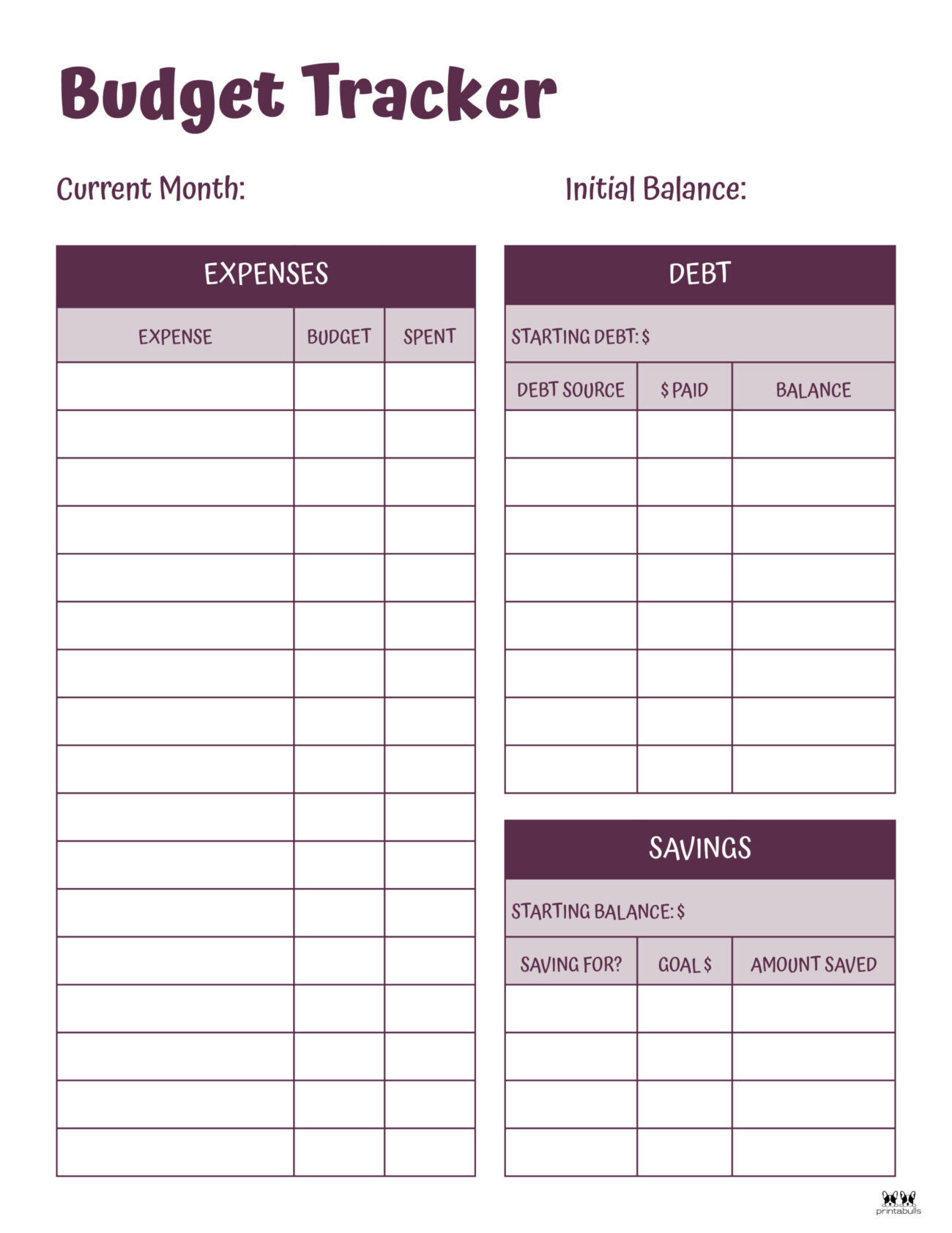
Managing your finances can feel overwhelming at times. While many rely on generic spreadsheets or apps, a Weekly Budget Planner Free Printable offers a tangible and tailored approach to budgeting that can make a real difference. Unlike digital formats that can lead to distractions, a physical planner lets you focus, allowing for a more mindful budgeting experience. Here’s why you might want to consider using a printable planner and how to make the most of it.
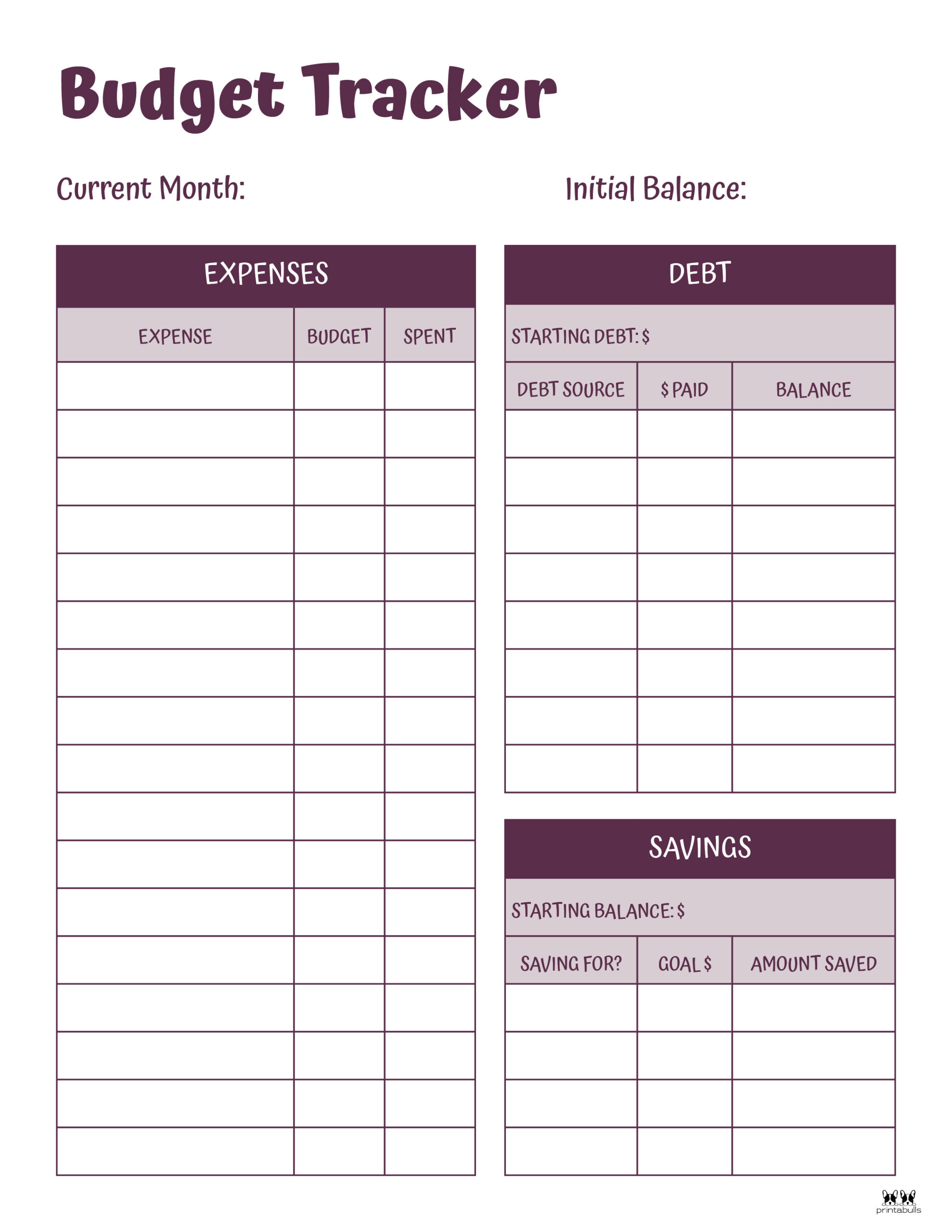
Understanding the Basics of a Weekly Budget Planner
A Weekly Budget Planner is designed to help you track your income and expenses on a weekly basis. This format is particularly beneficial for those who receive weekly paychecks or have variable expenses that change from week to week. This type of planner allows for a more granular view of your finances, helping you to stay on track without feeling lost in a sea of numbers.
Key Components of a Weekly Budget Planner
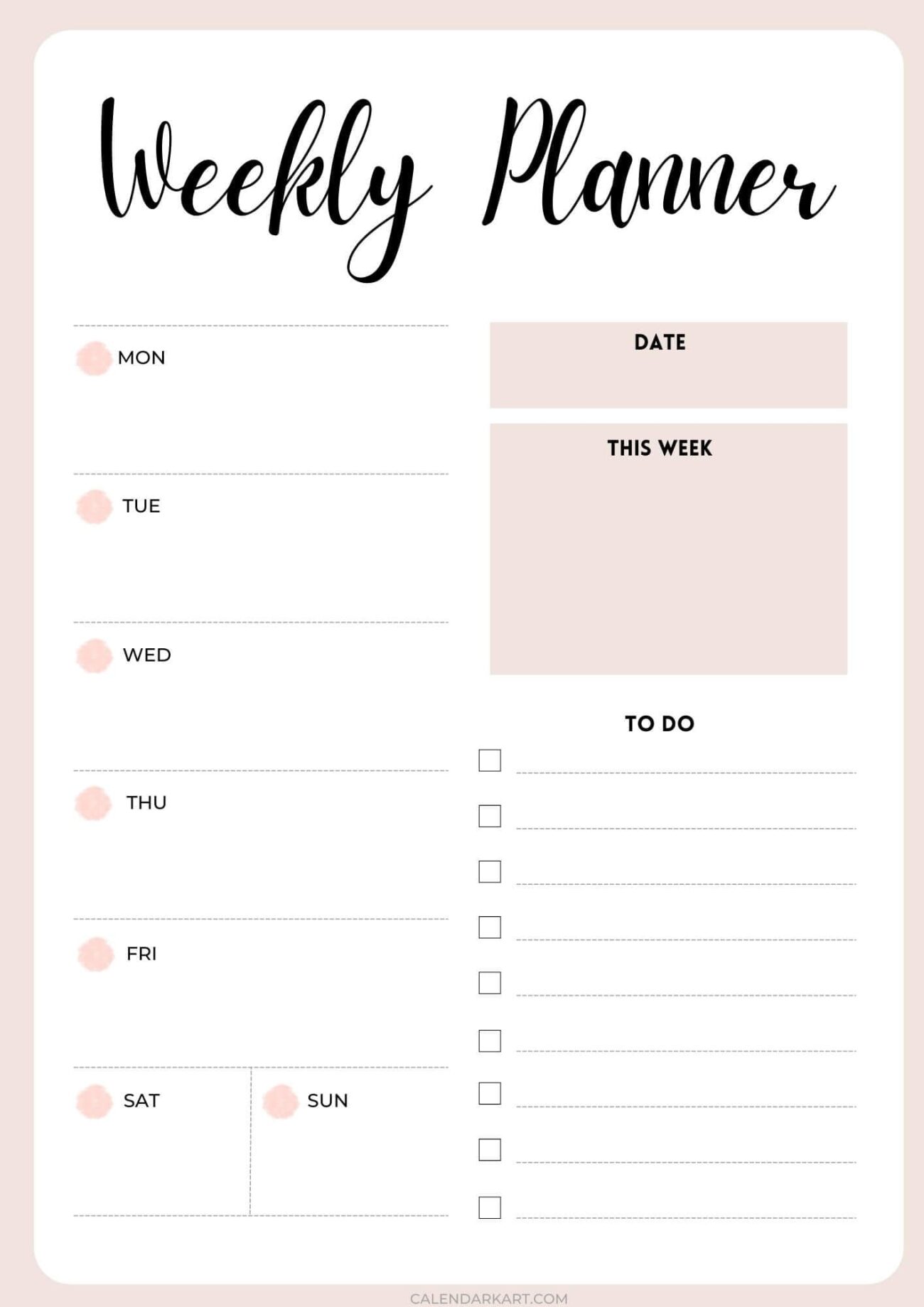
A well-structured Weekly Budget Planner typically includes the following sections:
- Income Tracking: A space to list all sources of income for the week.
- Expense Categories: Sections for fixed expenses (like rent and utilities) and variable expenses (like groceries and entertainment).
- Savings Goals: A dedicated area to plan for savings or debt repayment.
- Summary Section: A place to reflect on your financial goals and track your progress.
Understanding these components will help you fill out the planner effectively and make informed financial decisions.
Choosing the Right Format for Your Planner
When selecting a Weekly Budget Planner Free Printable, you’ll find various formats available. Here are a few options to consider:
- Portrait vs. Landscape Layout: Portrait layouts are typically easier to print on standard letter-sized paper (8.5″ x 11″). If you prefer a more expansive view, landscape formats might suit you better, especially if you want to include more details.
- Blank vs. Pre-filled Templates: Blank templates allow for complete customization, while pre-filled templates provide guidance and structure, which can be helpful if you’re new to budgeting.
- Color-coded vs. Monochrome Designs: Color-coded planners can make it easier to differentiate between various expense categories, while monochrome designs often have a more professional appearance.
Consider your personal preferences and how much detail you need when choosing a format.
How to Use Your Weekly Budget Planner Effectively
Once you’ve downloaded and printed your Weekly Budget Planner Free Printable, it’s time to put it to use. Here are some tips to get started:
- Gather Your Financial Information: Before you start filling out your planner, collect all relevant financial documents, such as pay stubs, bills, and bank statements. This ensures you have accurate data at your fingertips.
- Set Clear Goals: Establish what you want to achieve with your budgeting. Are you saving for a vacation, paying off debt, or simply trying to live within your means? Clear goals will guide your planning process.
- Track Your Spending: Each week, jot down your expenses as they occur. This real-time tracking helps you stay aware of your spending habits and make adjustments as necessary.
- Review and Reflect: At the end of the week, take some time to review your entries. Did you stick to your budget? Where can you improve? This reflective practice is key to becoming more financially savvy.
Printable Resources to Enhance Your Budgeting
In addition to your Weekly Budget Planner, there are several other printable resources that can complement your financial planning efforts:
- Expense Tracker: A dedicated sheet to record daily expenses can provide insight into your spending habits.
- Savings Goal Tracker: Visualizing your savings can motivate you to stick to your goals.
- Debt Repayment Planner: If you’re tackling debt, this can help you strategize your payments effectively.
These additional resources can further simplify your financial planning process and help you stay organized.
Common Pitfalls and How to Avoid Them
While using a Weekly Budget Planner Free Printable can be highly effective, there are some common pitfalls to watch out for:
- Underestimating Expenses: One of the biggest mistakes is not accounting for all expenses, especially variable ones that can fluctuate weekly. Be thorough in your tracking to avoid surprises.
- Setting Unrealistic Goals: It’s great to be ambitious, but setting unattainable goals can lead to disappointment. Start with small, achievable objectives and gradually increase them as you gain confidence.
- Neglecting to Adjust: Life is unpredictable, and your financial situation may change. Be open to revising your budget as necessary. Flexibility is essential for long-term success.
Stay mindful of these potential issues as you work with your planner. It’s all about finding a balance that works for you.
