Planning Poker is an engaging way to estimate project tasks, especially in Agile methodologies. If you’ve been looking for a way to streamline your planning sessions, Free Printable Planning Poker Cards can be a game-changer. Unlike other resources that may not fit your team’s specific needs, these cards are designed to enhance participation and accuracy in estimating workloads.
Understanding Planning Poker Cards
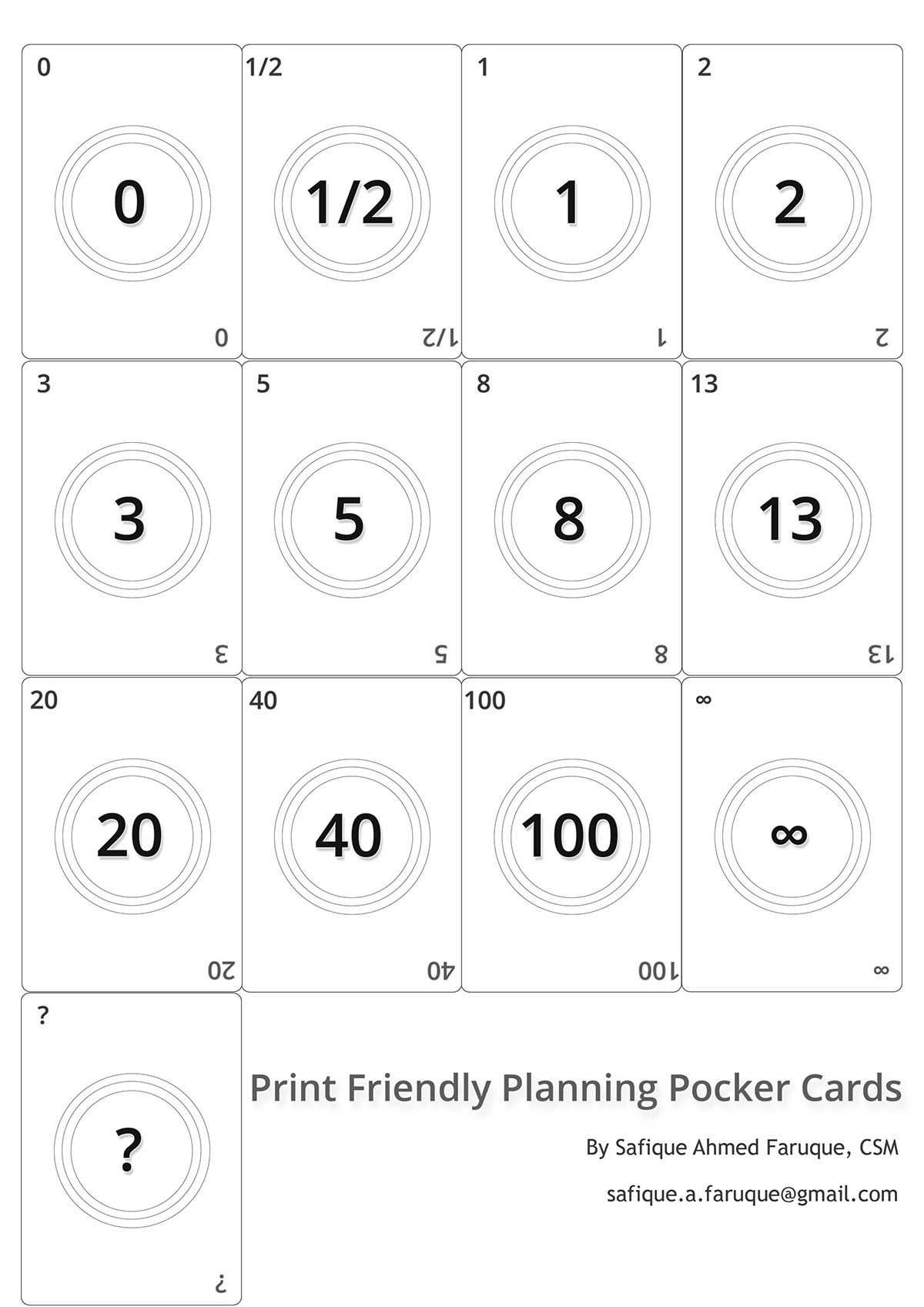
At their core, Planning Poker Cards are used for consensus-based estimation. Each card typically displays a number that represents the effort or complexity of a task. The beauty of these cards lies in their simplicity and the collaborative nature of the practice. The free printable versions allow you to easily distribute them among your team members, ensuring everyone has a say in the planning process.
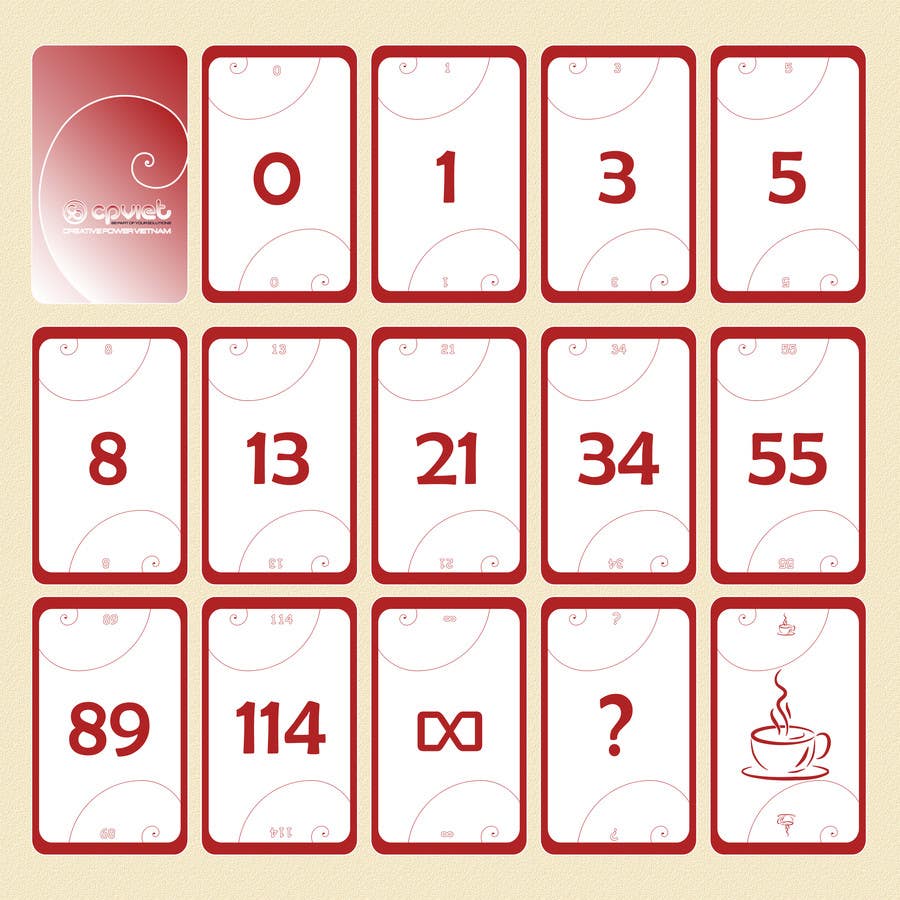
The layout of these cards is straightforward yet effective. Each card usually features numbers in a clear font, often ranging from 0 to 100, along with some cards that depict Fibonacci numbers (1, 2, 3, 5, 8, 13, etc.), which help in estimating tasks that can vary significantly in complexity. This layout encourages quick decisions and eliminates confusion during discussions.
How to Set Up a Planning Poker Session
Setting up a session with your Free Printable Planning Poker Cards is easy and rewarding. Here’s a step-by-step guide to help you get started:
- Gather Your Team: Bring together all stakeholders involved in the project. This could be developers, designers, and even product owners.
- Select User Stories: Choose the user stories or tasks that require estimation. Make sure everyone understands these tasks before starting.
- Distribute the Cards: Hand out the printable cards to each team member. Make sure they have a complete set, usually consisting of at least one of each number.
- Discuss Each Story: Go through each user story and allow team members to express their thoughts. This discussion is crucial for achieving a shared understanding of the task.
- Estimate: After discussing, each member selects a card representing their estimate. Reveal the cards simultaneously to avoid influencing each other’s opinions.
- Discuss Discrepancies: If there are significant differences in estimates, initiate a discussion to understand the reasoning behind them. This often leads to valuable insights.
- Finalize the Estimate: After discussion, the team can come to a consensus on the most accurate estimate for each user story.
The layout of the session can be as informal or structured as you prefer, but keeping it open and collaborative usually yields the best results.
Benefits of Using Printable Cards
One significant advantage of using Free Printable Planning Poker Cards is the tactile engagement they provide. Handling physical cards can make the planning session feel more interactive and engaging. Here are a few benefits to consider:
- Improved Focus: When team members have something physical to hold, they can concentrate better on the task at hand.
- Enhanced Collaboration: The act of revealing cards simultaneously fosters a spirit of teamwork and collaboration.
- Visual Representation: The use of cards allows for quick visual assessments, which can speed up the decision-making process.
Additionally, using printable cards is cost-effective. You can print as many sets as you need, and they can be reused for multiple projects or iterations.
Tips for Effective Use
To maximize the effectiveness of your Free Printable Planning Poker Cards, consider these practical tips:
- Use Cardstock: For durability, print your cards on cardstock. This will prevent them from bending or tearing during use.
- Laminating: If you want to ensure longevity, consider laminating the cards. This way, they can be wiped clean and reused for different sessions.
- Variety of Sizes: You might want to print cards in different sizes for various preferences. Some people may find smaller cards easier to handle, while others might prefer larger ones for better visibility.
- Digital Versions: While physical cards are great, having a digital version can also be useful, especially for remote teams. You can take screenshots of the cards or create a simple PDF for easy sharing.
By implementing these tips, you can create a more engaging and productive planning environment.
The most useful detail to remember is that the simplicity of the card layout can significantly enhance your planning sessions, making it easier for everyone to participate actively.
