Creating an engaging lesson plan can be challenging, especially when working with special education students. A well-structured lesson plan helps teachers meet diverse learning needs and keeps students focused on their goals. A Free Printable Special Education Lesson Plan is an excellent resource to simplify this process, ensuring you have a solid foundation for effective teaching. In this article, I’ll guide you through the steps to choose, download, print, and make the most of this valuable resource.
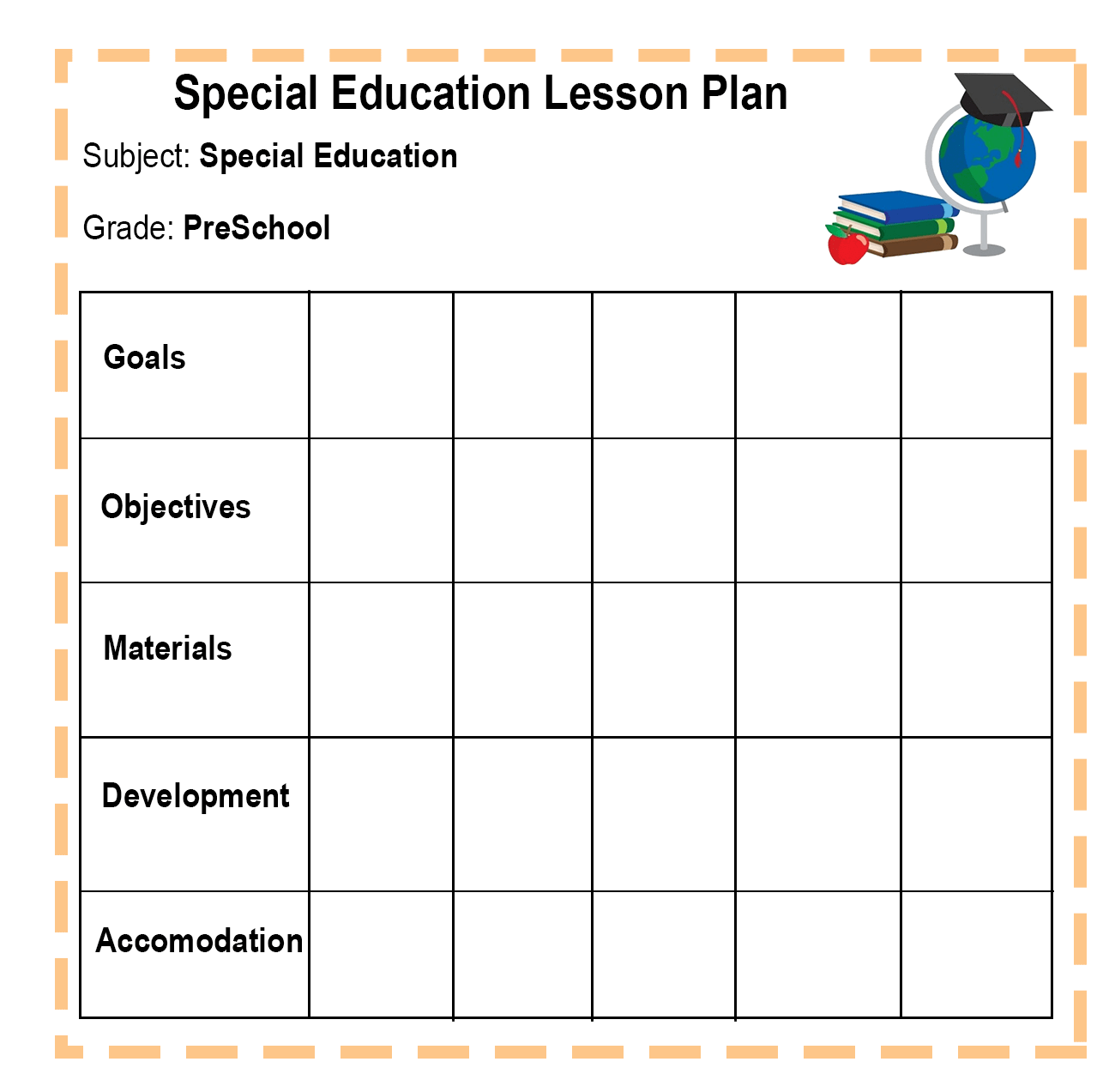
Understanding the Importance of a Special Education Lesson Plan
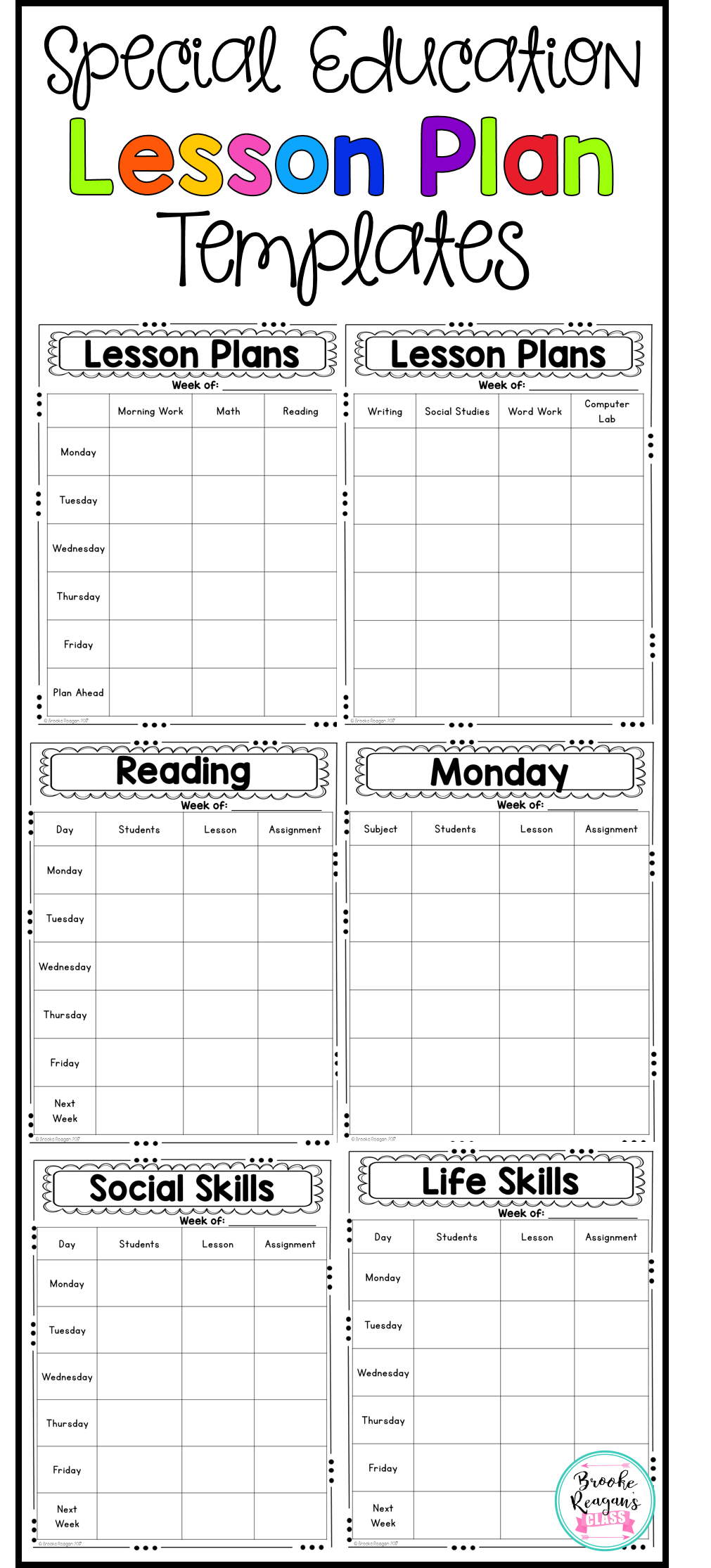
Before you look at using your printable lesson plan, it’s essential to recognize its importance. Special education lesson plans are tailored to accommodate the unique learning styles and needs of students with disabilities. These plans help outline specific objectives, activities, and assessments that cater to individual capabilities.
When you have a clear plan, you can track progress more effectively. This clarity not only aids in lesson execution but also in evaluating student performance. It becomes easier to adjust strategies and materials to ensure every learner is on the right path.
Choosing the Right Printable Lesson Plan
Selecting the right Free Printable Special Education Lesson Plan is crucial. Here are some tips to help you find the perfect fit:
- Grade Level: Ensure the plan corresponds to the grade level of your students. Different age groups have varying cognitive and emotional needs.
- Subject Matter: Focus on lesson plans that align with the subjects you are teaching. Whether it’s math, reading, or social skills, the content should meet your educational objectives.
- Customization Options: Look for plans that allow for easy customization. You may want to adapt certain sections to better fit your teaching style or your students’ needs.
Once you find a lesson plan that fits your criteria, downloading it is typically straightforward. Many resources offer PDFs that are printer-friendly.
Downloading and Printing Your Lesson Plan
Once you’ve selected the right lesson plan, it’s time to get it printed. Here’s how to do it effectively:
- Download the File: Click the download link on the resource website. Most printable lesson plans are available in PDF format, which is ideal because it maintains formatting across different devices.
- Print Settings:
- Paper Size: Standard letter size (8.5 x 11 inches) is common and works well for most printers.
- Orientation: Depending on the layout of the lesson plan, you may need to select portrait or landscape orientation.
- Quality: Choose a high-quality print setting for clarity, especially if you plan to use it for multiple lessons.
- Materials: If you want your lesson plan to last longer, consider printing on cardstock or laminating it. This helps prevent wear and tear, especially if it will be used frequently.
Setting Up Your Lesson Plan for Effective Use
Now that you have your lesson plan printed, the next step is to set it up for effective use in the classroom. Here’s how to optimize it:
- Review the Content: Go through the lesson plan thoroughly. Make sure you understand all components, including objectives, activities, and assessments.
- Customize Where Necessary: Feel free to add personal notes, adjust activities, or incorporate additional resources that you know resonate with your students.
- Organize Materials: Gather any additional materials you’ll need for the activities outlined in the lesson plan. This might include worksheets, art supplies, or technology tools.
Having everything organized before you start teaching will help keep the lesson flowing smoothly.
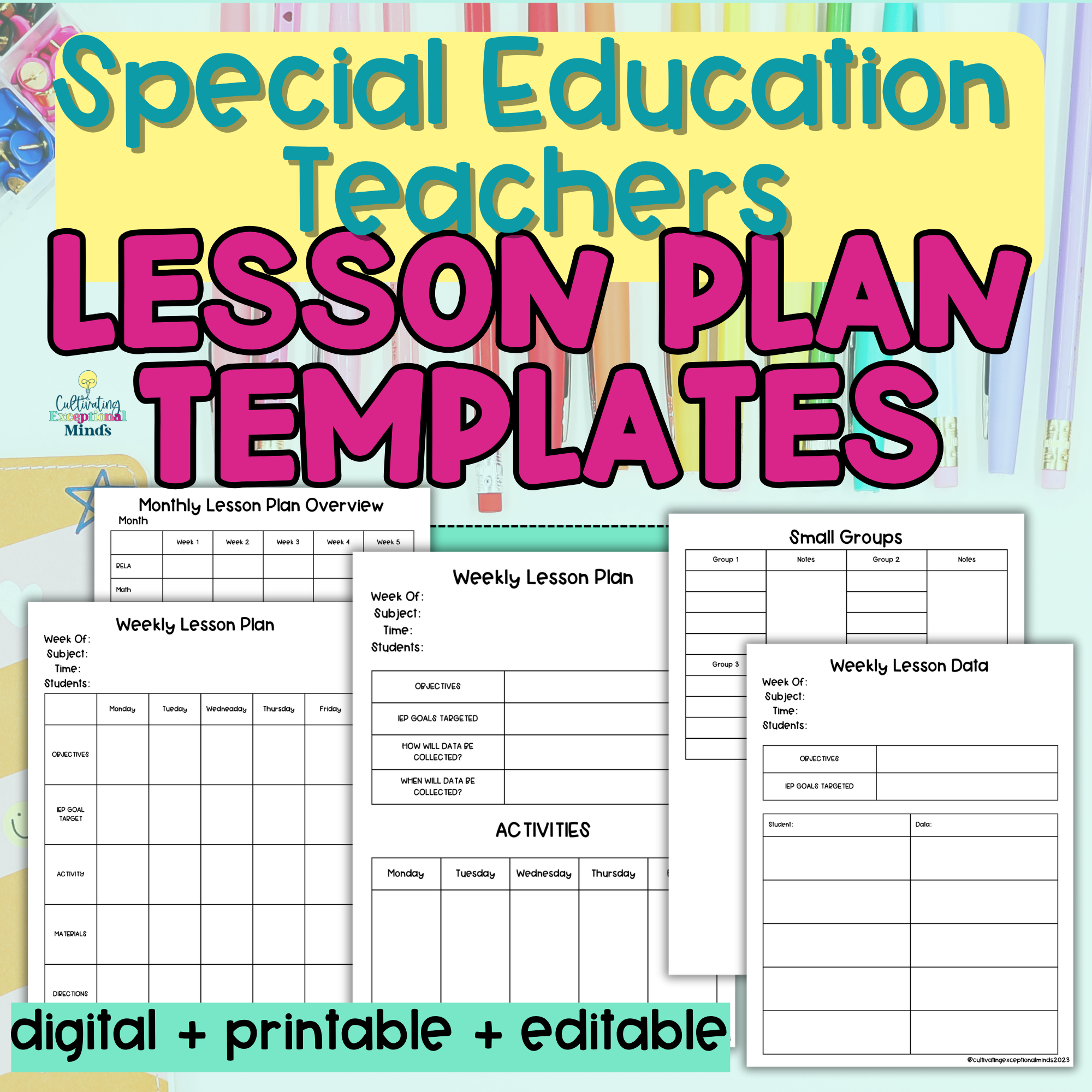
Using the Lesson Plan to Track Progress
Tracking student progress is vital in special education. Here’s how to effectively use your Free Printable Special Education Lesson Plan to document and assess learning:
- Set Clear Objectives: The lesson plan should have specific, measurable objectives. This allows you to see whether students are meeting their goals.
- Incorporate Assessments: Use the assessment components within the lesson plan to evaluate student understanding. You might include quizzes, project work, or informal assessments.
- Reflect and Adjust: After each lesson, take a moment to reflect on what worked and what didn’t. Use this information to adjust future lesson plans and teaching strategies.
By consistently tracking progress, you’ll be able to celebrate successes and identify areas for improvement, ensuring that all students are receiving the support they need.
