When you’re juggling multiple subjects and activities in your homeschool, staying organized can feel overwhelming. That’s where the 15 Minute Planner Weekly Printable comes in handy. This resource is designed to help you plan your week efficiently, allowing you to spend less time organizing and more time teaching and learning. Let’s explore how to make the most of this planner.
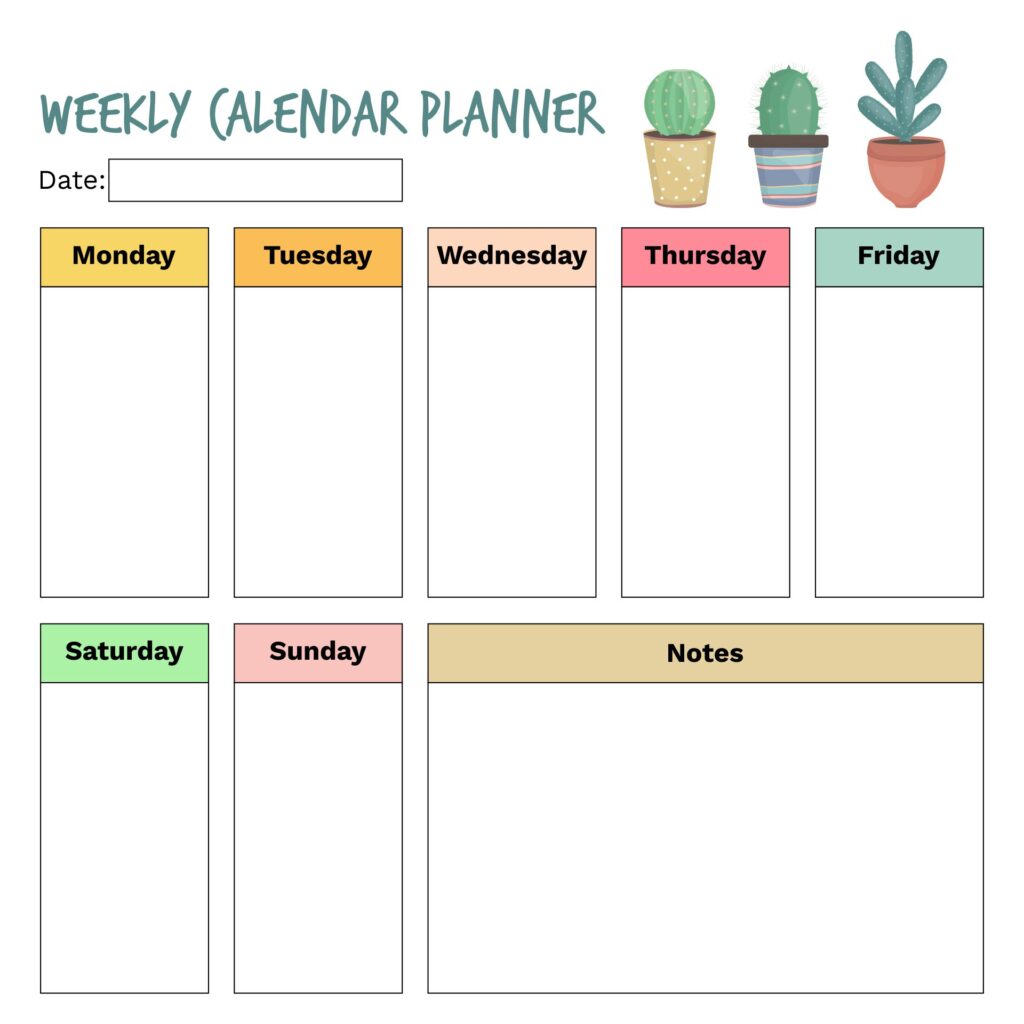
Understanding the Layout of the 15 Minute Planner Weekly Printable
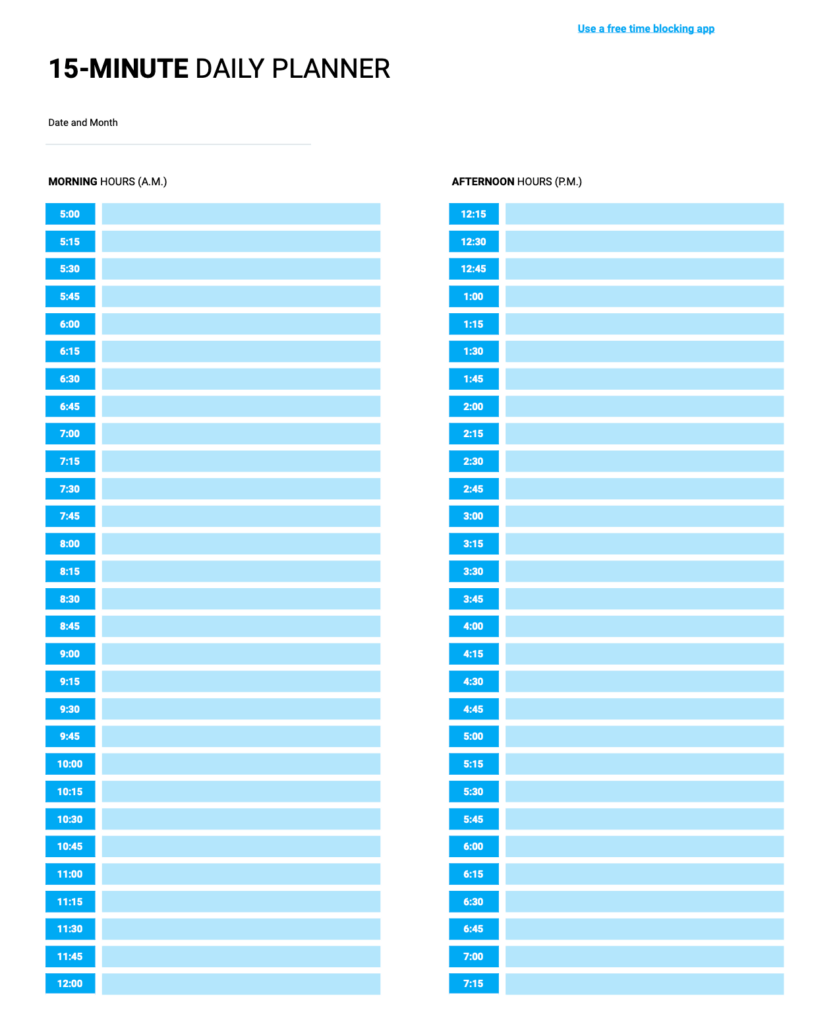
The first step is to familiarize yourself with the layout of the 15 Minute Planner Weekly Printable. It typically features a clean, easy-to-read design with sections dedicated to each day of the week. Here’s a breakdown of what you can expect:
- Daily Sections: Each day has its own space for tasks and appointments.
- Priority List: A dedicated box at the top for your top three priorities helps you focus on what matters most.
- Habit Tracker: A section to track daily habits can keep everyone accountable, whether it’s reading, math practice, or exercise.
- Notes Strip: At the bottom, there’s often a notes area for any additional thoughts or reminders.
Understanding these components helps you utilize the planner effectively.
Downloading and Printing Your Planner
Once you’re familiar with the layout, it’s time to download and print your 15 Minute Planner Weekly Printable. Here’s how to do it step-by-step:
- Choose the Right Format: Most planners are available in PDF format, which ensures the layout stays intact when printed.
- Select Your Paper Size: Standard A4 or letter-sized paper works best for most home printers. If you want a more compact planner, consider printing on A5 paper.
- Print Settings: Set your printer to “Portrait” mode for the best results. If you have access to cardstock, this can enhance durability, especially if you plan to laminate the pages.
- Print a Test Page: Before printing the entire planner, print a test page to ensure everything looks good.
This process ensures you’re ready to use your planner without any formatting issues.
Setting Up Your Planner for Effective Weekly Planning
Now that you have your planner printed, it’s essential to set it up in a way that makes it easy to use throughout the week. Here are some practical tips:
- Fill in Your Priorities: Start each week by identifying your top three priorities. This helps keep your focus sharp.
- Schedule Appointments: Write down any appointments or extracurricular activities your children will attend. This could be a co-op meeting, a field trip, or a sports practice.
- Break Down Tasks: Use the daily sections to break down larger tasks into manageable chunks. For example, instead of writing “science project,” you could list “research materials,” “create a poster,” and “present to family.”
- Incorporate Flexibility: Life happens! Leave some space for unexpected events or changes in your schedule. This way, you won’t feel overwhelmed if you need to shift things around.
Setting it up this way ensures you’re ready for the week ahead.
Using the Habit Tracker Effectively
One of the standout features of the 15 Minute Planner Weekly Printable is the habit tracker. This section can be a useful option for homeschooling families. Here’s how to use it effectively:
- Choose Your Habits: Identify which habits you want to track. This could include daily reading, math practice, or even family meetings.
- Be Specific: Instead of vague goals, be specific about what you want to achieve. For example, instead of “exercise,” write “30 minutes of outdoor play.”
- Daily Check-Ins: Encourage your kids to check off their habits daily. This provides a sense of accomplishment and reinforces positive behavior.
- Reflect Weekly: At the end of each week, review the habit tracker together. Discuss what went well and what could improve next week.
Using the habit tracker not only helps with accountability but also fosters a sense of responsibility in your children.
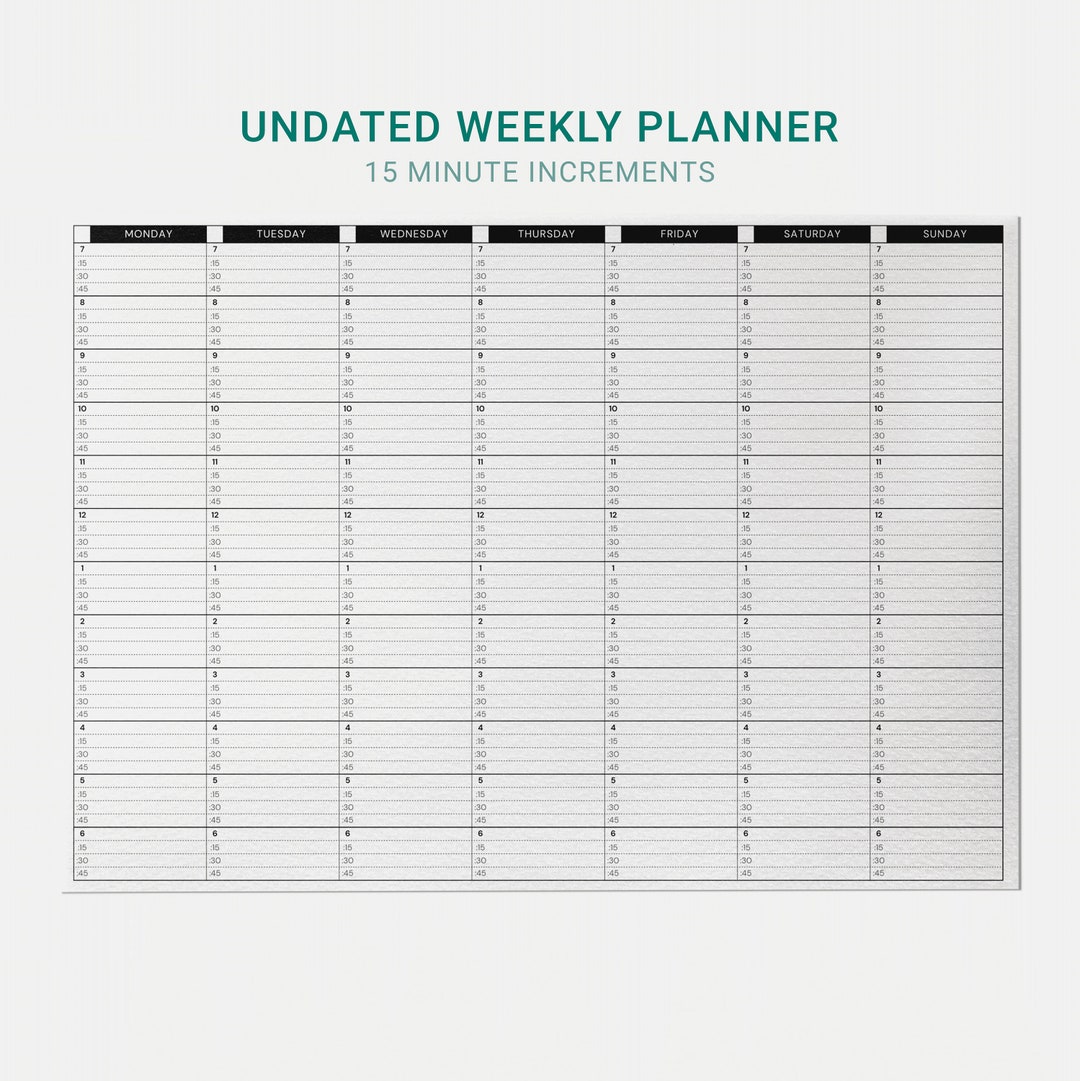
Making the Most of Your Notes Section
The notes section at the bottom of your planner is often underutilized. Here are some ways to maximize its potential:
- Weekly Reflections: Use this space to jot down reflections on the week. What worked well? What didn’t? This can guide your planning for the next week.
- Resource Ideas: If you come across any resources or activities you want to explore later, note them here. This can include online resources, books, or even field trips.
- Goals for Next Week: At the end of the week, write down goals for the upcoming week. This keeps your planning proactive and forward-thinking.
By actively using the notes section, you create an ongoing dialogue about your homeschooling journey.
