Back to school season can bring a whirlwind of excitement and anxiety. As a parent or guardian, you want to ensure your children are prepared and organized for the academic year ahead. That’s where Back To School Planner Printables can make a significant difference. These resources not only help plan daily schedules but also serve as tools for goal-setting and tracking progress throughout the school year. Let’s explore how you can effectively use these printables to create a smoother transition back to school.
Understanding the Layout of Back To School Planner Printables
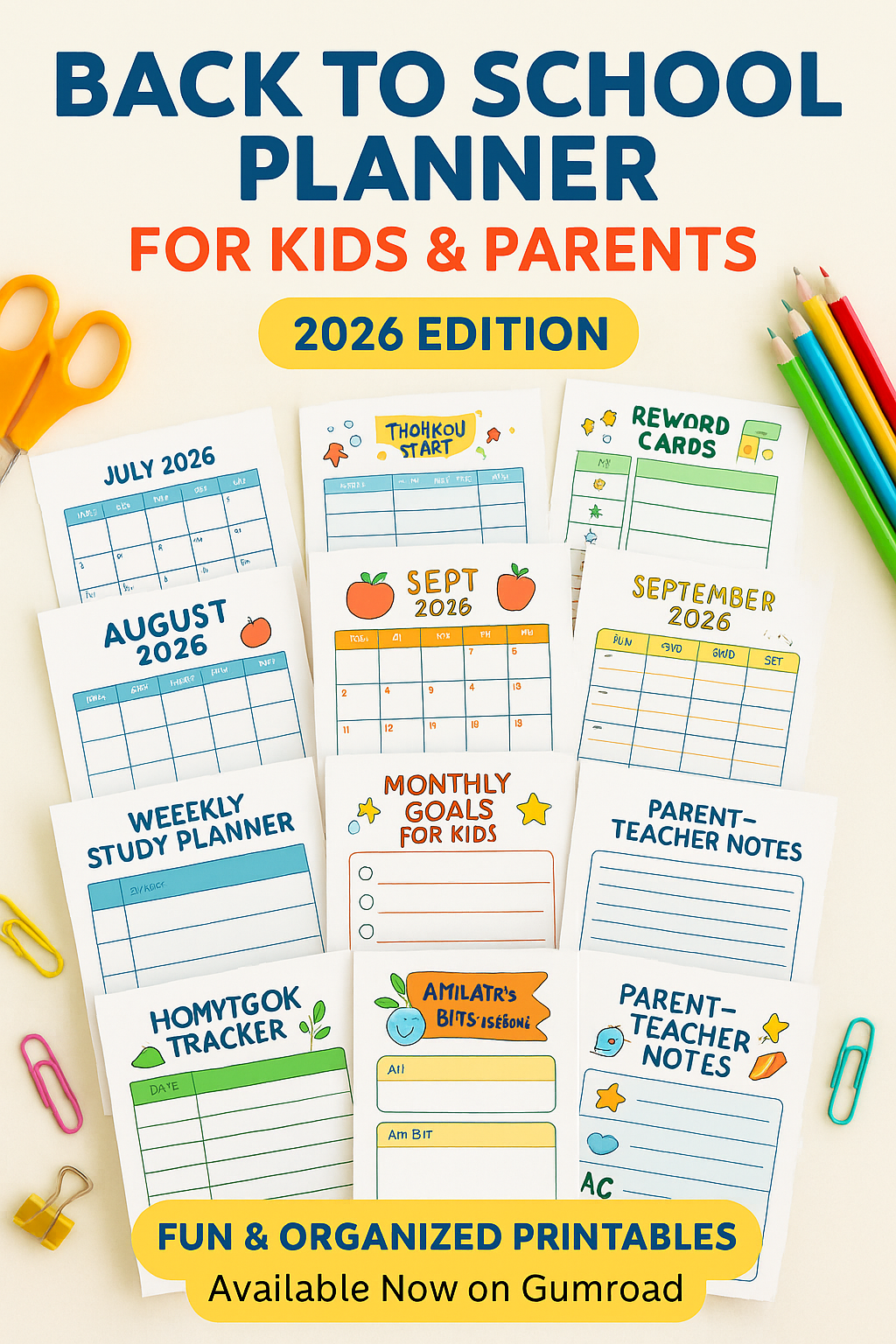
When you first download a Back To School Planner Printable, you’ll notice a thoughtfully designed layout that is tailored to your needs. These planners typically include sections for monthly calendars, weekly schedules, to-do lists, and goal-setting pages. Each section is crafted to provide a clear visual representation of your tasks and responsibilities.
The monthly calendar section allows you to mark important dates, such as school events, holidays, and deadlines. This way, you can see the big picture at a glance. The weekly schedules break down your month into manageable chunks, making it easier to plan daily activities. This structured approach helps reduce overwhelm and keeps everyone on track.
Sections You’ll Find in a Typical Planner
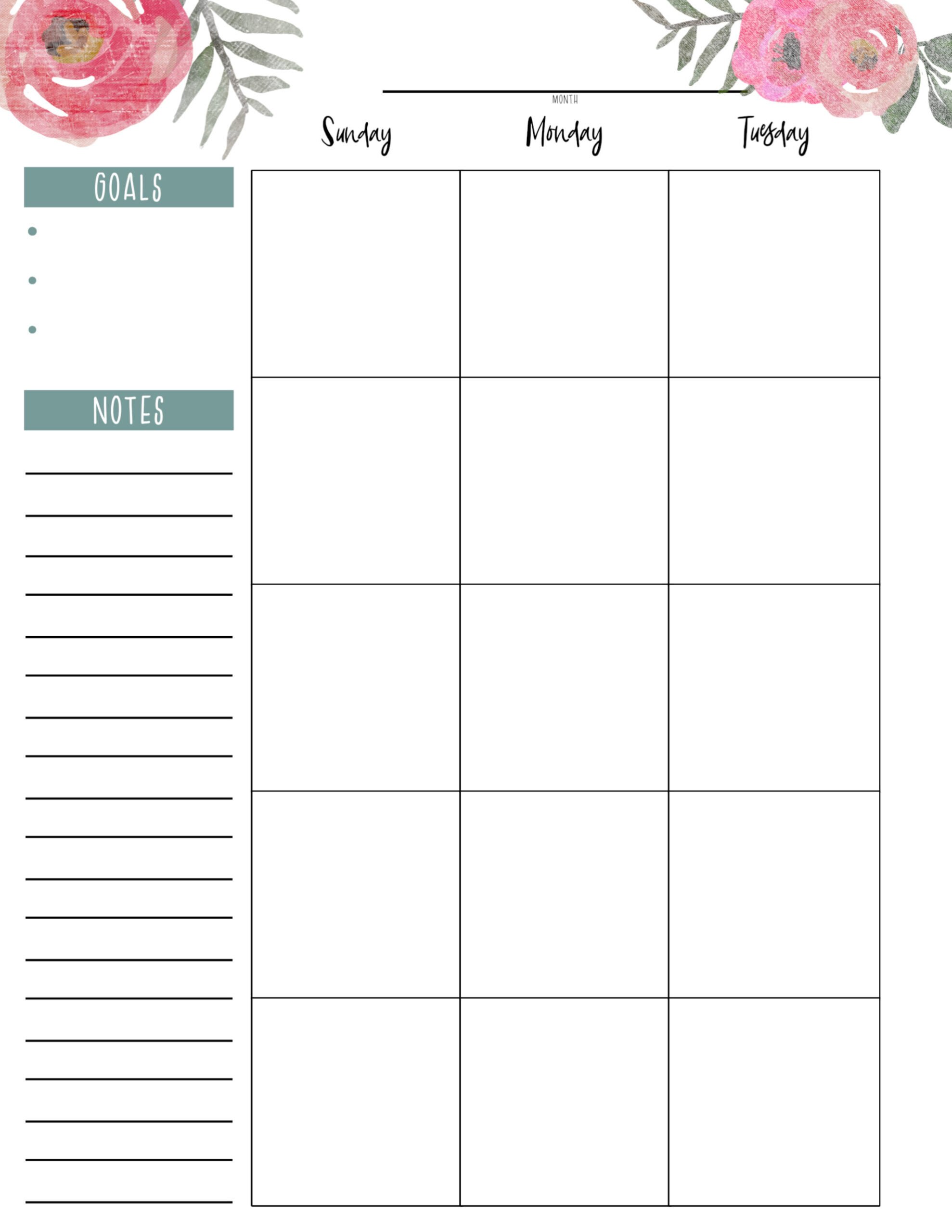
- Monthly Calendar: Highlight important dates, such as parent-teacher conferences and school holidays.
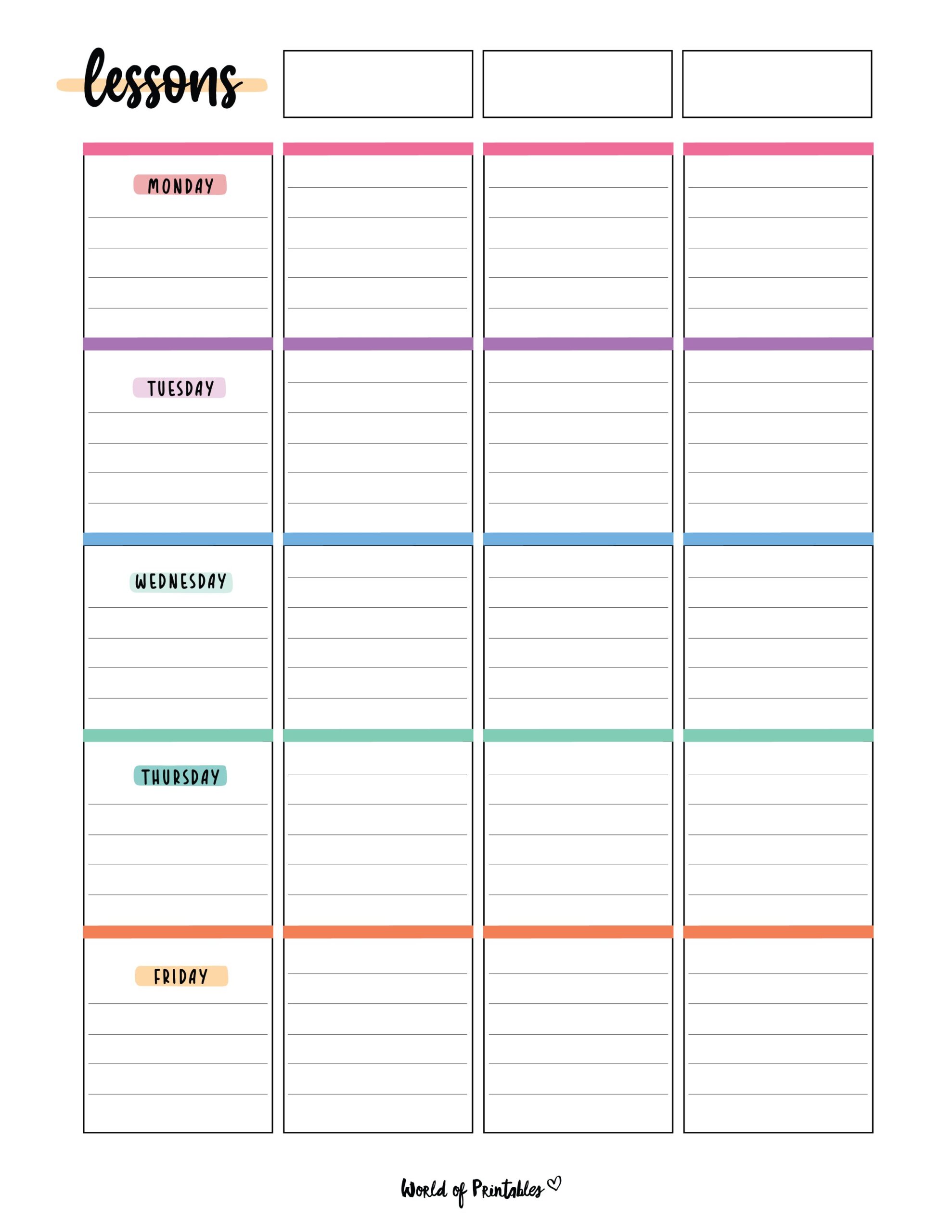
- Weekly Schedule: Organize daily tasks, homework, and extracurricular activities.
- To-Do Lists: Prioritize tasks for both you and your child, ensuring nothing falls through the cracks.
- Goal-Setting Pages: Set academic and personal goals to encourage accountability and focus.
The design choices in these printables—like color coding and space for notes—enhance usability and make planning more enjoyable. You can also customize certain sections based on your family’s specific needs, adding a personal touch to the planner.
Customizing Your Planner for Individual Needs
One of the best aspects of Back To School Planner Printables is their flexibility. You can tailor them to your family’s unique needs and preferences. For example, if your child is involved in multiple extracurricular activities, you might want to dedicate a section specifically for tracking practice schedules and commitments.
Additionally, consider including a space for meal planning. With busy school days ahead, having a designated area for planning lunches can save time and reduce stress. You’ll be able to ensure your child has nutritious meals ready to go, which can lead to better focus and energy at school.
Personalization Options
- Color Coding: Use different colors for each family member to clearly differentiate responsibilities.
- Add Stickers: Incorporate fun stickers to make planning more engaging for younger kids.
- Incorporate Checkboxes: Create a checklist format for tasks that need to be completed, allowing for a satisfying visual cue when tasks are done.
Customizing your planner not only makes it more functional but also encourages your children to take ownership of their responsibilities.
Setting Goals and Tracking Progress
Goal-setting is a crucial aspect of the back-to-school routine. With the goal-setting pages in your Back To School Planner Printables, you can help your child articulate their academic aspirations for the year. Whether it’s improving grades in a challenging subject or being more punctual, writing down these goals can significantly increase the likelihood of achieving them.
To track progress, consider using a progress chart. This could be a simple checklist where you mark off accomplishments or a more elaborate rewards system for meeting specific goals. The act of tracking progress not only motivates your child but also allows for discussions about what strategies are working and what might need adjustment.
Effective Goal-Setting Strategies
- SMART Goals: Encourage the use of Specific, Measurable, Achievable, Relevant, and Time-bound goals.
- Review Regularly: Set aside time each week to review goals and adjust them as needed.
- Celebrate Achievements: Make it a habit to celebrate small wins, reinforcing positive behaviors.
Creating an environment that prioritizes goal-setting will not only benefit your child academically but will also instill valuable life skills.
Integrating Daily Routines With Your Planner
Back-to-school season often means adjusting daily routines to accommodate new schedules. The daily and weekly sections of your planner can help establish a consistent routine that works for your family. You might create specific time blocks for homework, chores, and leisure activities, ensuring a balanced approach to daily life.
Incorporating routines also helps children develop a sense of responsibility. For younger kids, visual schedules can be particularly effective. You can create a simplified version of the planner that uses pictures instead of words to indicate what needs to be done at different times of the day.
Tips for Building Effective Routines
- Morning Routine: Include wake-up times, breakfast, and time for getting dressed.
- Homework Time: Designate a specific time and quiet space for homework completion.
- Evening Wind-Down: Create a calming routine before bed that includes reviewing the next day’s plan.
By utilizing your Back To School Planner Printables to establish routines, you can foster independence and time management skills in your children.
Choosing the Right Paper and Printing Options
When it comes to printing your Back To School Planner Printables, consider the type of paper you’ll use. Standard printer paper works well for basic use, but if you want your planner to last throughout the year, cardstock is a better option. It holds up better against wear and tear, especially if it will be handled frequently.
You might also consider printing on both sides of the paper to save space and create a more compact planner. If you plan to use a binder, hole-punching the pages can allow for easy rearranging and adding new sections as needed.
Printing Tips
- Paper Sizes: Most planners are designed for standard sizes like A4 or letter size (8.5” x 11”).
- Print Settings: Use high-quality print settings for clearer text and images.
- Laminating: If you want to reuse certain pages, consider laminating them for dry-erase use.
Choosing the right printing options enhances the usability of your planner, making it a durable and effective tool for the school year.
