When it comes to keeping our homeschool days organized, having the right resources is essential. Daily planner pages to print can be a game-changer for families looking to structure their days more effectively. With a bit of planning, you can create a daily routine that works for your family, making it easier to manage lessons, activities, and personal time.
Choosing the Right Daily Planner Pages
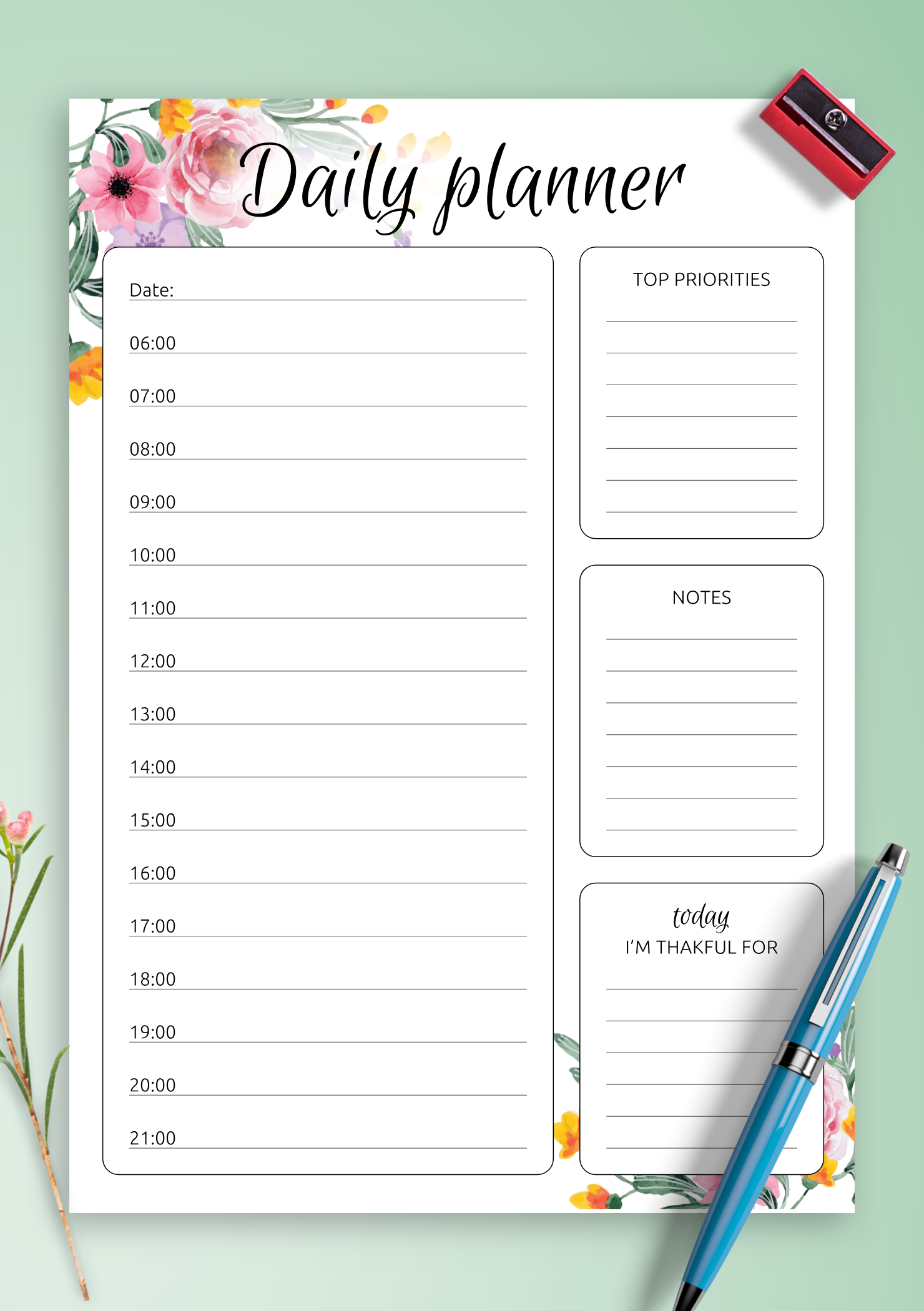
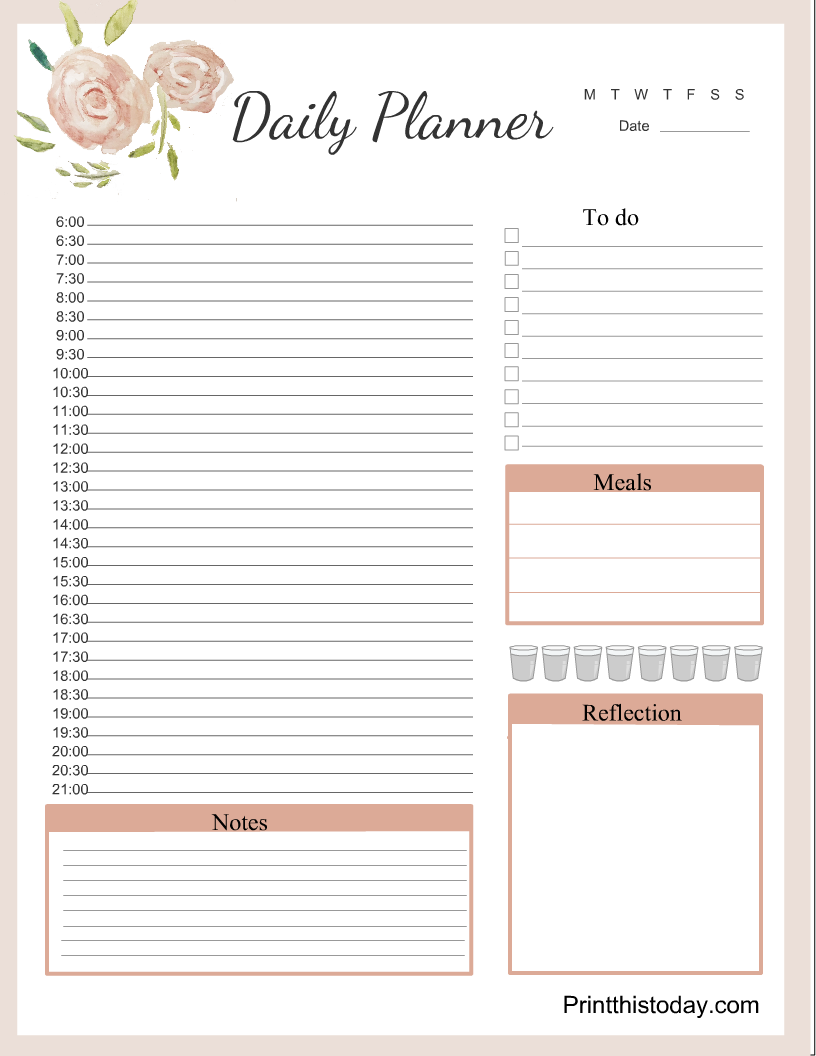
The first step in your planning journey is selecting the right daily planner pages to print. Various designs are available, so consider what you value most: simplicity or detailed layouts. Some pages offer sections for daily goals, to-do lists, and even time blocks, while others may focus on a more minimalist approach.
When choosing your planner, think about your family’s specific needs. Are you managing multiple children, or do you have a single student? For larger families, planners with larger sections or multiple pages for each day can be beneficial. If you’re working with younger children, a colorful and engaging layout can make planning more fun and less daunting.
Downloading and Printing Your Planner
Once you’ve selected the daily planner pages that suit your needs, the next step is downloading and printing them. Most planners are available in PDF format, which is ideal as it preserves the layout and design.
Here’s a quick checklist to consider when printing:
- Paper Type: Standard printer paper works for most planners, but if you want something sturdier, consider using cardstock. It holds up better and feels more professional.
- Size: Most planners come in standard sizes like A4 or letter size (8.5″x11″). Ensure your printer is set to the correct paper size to avoid any cropping.
- Print Settings: Opt for portrait layout for daily planners, as it typically aligns better with how we write and fill out the pages. If you’re printing double-sided, check your printer’s duplex settings to ensure correct page alignment.
Setting Up Your Planner
After printing, it’s time to set up your daily planner. This is where you can really tailor it to meet your family’s needs. Here’s how:
- Bind or Organize: Depending on your preference, you might want to bind your planner or simply clip the pages together. A three-ring binder is a great option if you want to add or remove pages easily.
- Customize Sections: Take a look at the sections on your planner pages. Common sections include:
- Daily Goals: Set specific objectives for the day.
- To-Do List: Jot down tasks that need to be completed.
- Schedule/Time Blocks: Allocate time for different subjects or activities.
- Notes: Leave space for thoughts or reflections at the end of the day.
- Add Color and Fun: Use colored pens or stickers to make planning visually appealing, especially for younger kids. This can encourage them to engage with the planner more actively.
Using the Planner Effectively
Now that your planner is set up, let’s discuss how to use it effectively. The key is consistency. Here are some practical tips:
- Daily Review: At the start of each day, sit down with your child and review the planner together. This helps them take ownership of their learning and understand what’s expected.
- Adjust as Needed: If you find that certain sections aren’t working, feel free to adjust them. Maybe a habit tracker would be more beneficial than a generic notes section. Flexibility is crucial.
- End-of-Day Reflection: Encourage your child to reflect on what they accomplished each day. This could be a part of the notes section or a separate reflection page. It helps them recognize their progress and areas for improvement.
Incorporating Additional Resources
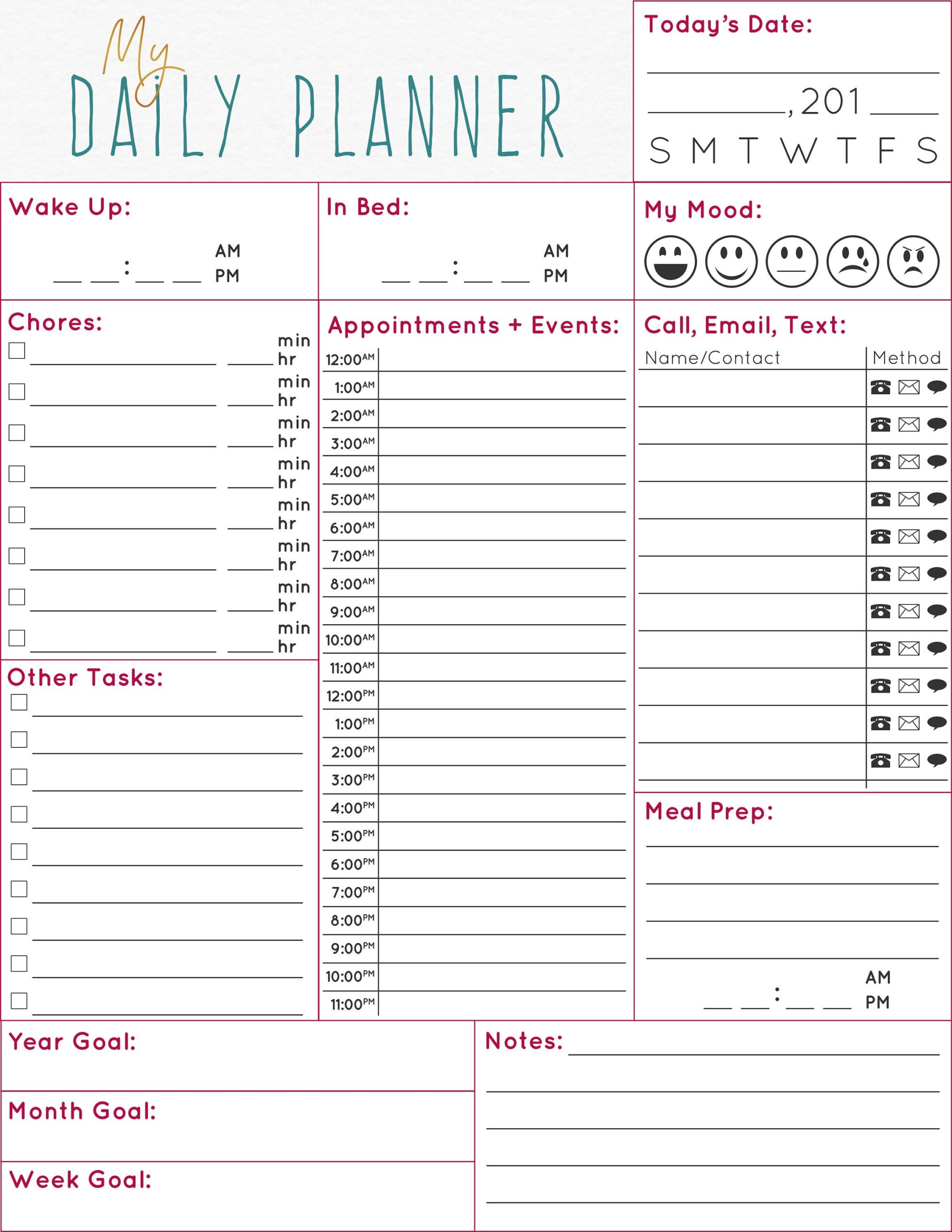
Daily planner pages to print can be even more effective when combined with other resources. Consider integrating:
- Habit Trackers: Adding a habit tracker page can motivate your child to establish good routines, whether it’s reading daily or completing math exercises.
- Weekly Review Pages: At the end of the week, a review page can help summarize what was learned, making it easier to plan for the following week.
- Coloring Pages: If your child enjoys arts and crafts, consider including themed coloring pages that align with your lesson plans. This adds an element of fun to their learning.
