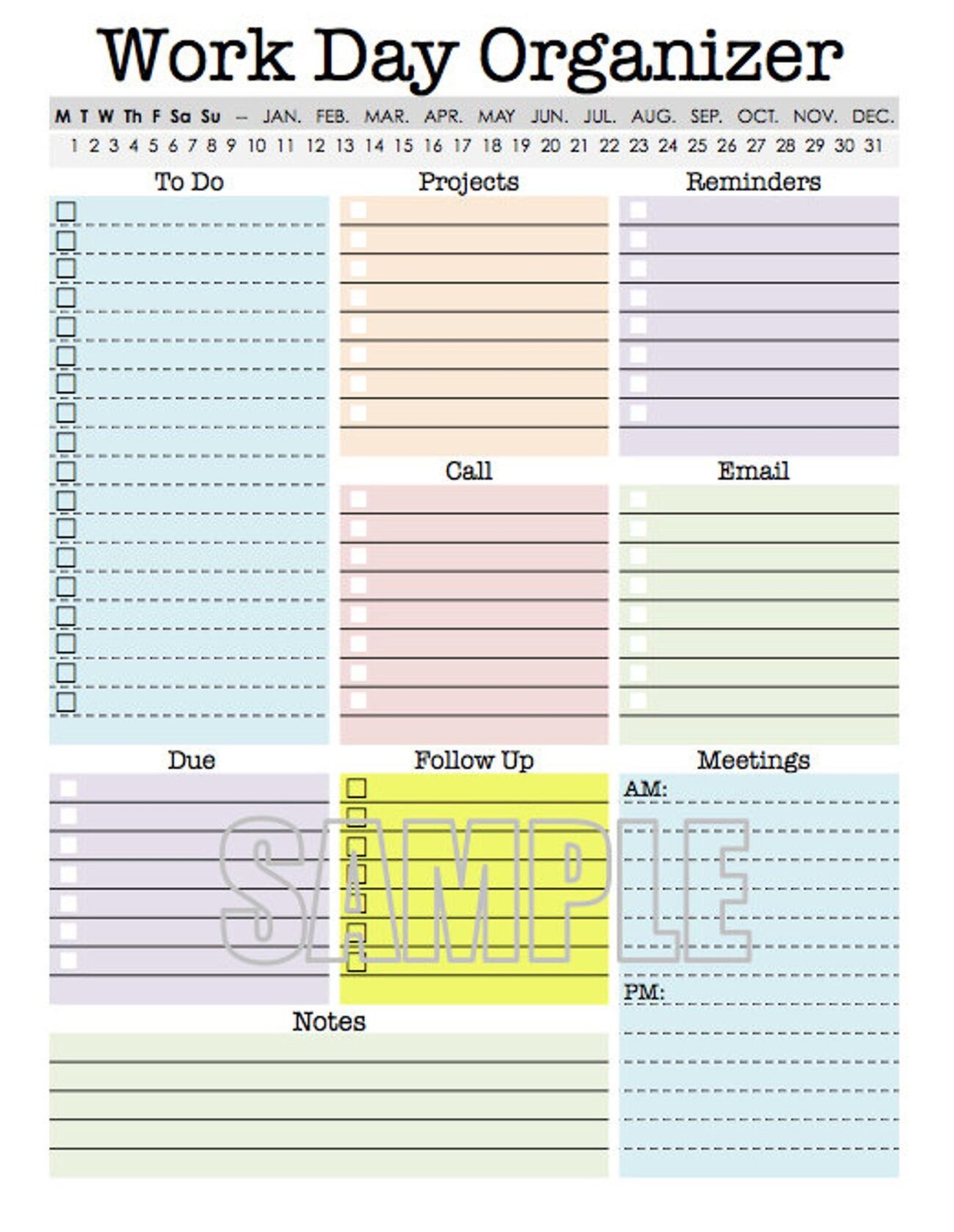
As a homeschool parent, I’ve found that using a Daily Work Planner Free Printable can make all the difference in keeping our days organized and productive. Unlike more generic planners, this specific resource caters to the unique needs of families like ours, offering tailored sections that help streamline our daily activities. Here, I’ll share how you can make the most of this planner, discussing layout options, setup choices, and practical tips for follow-through.
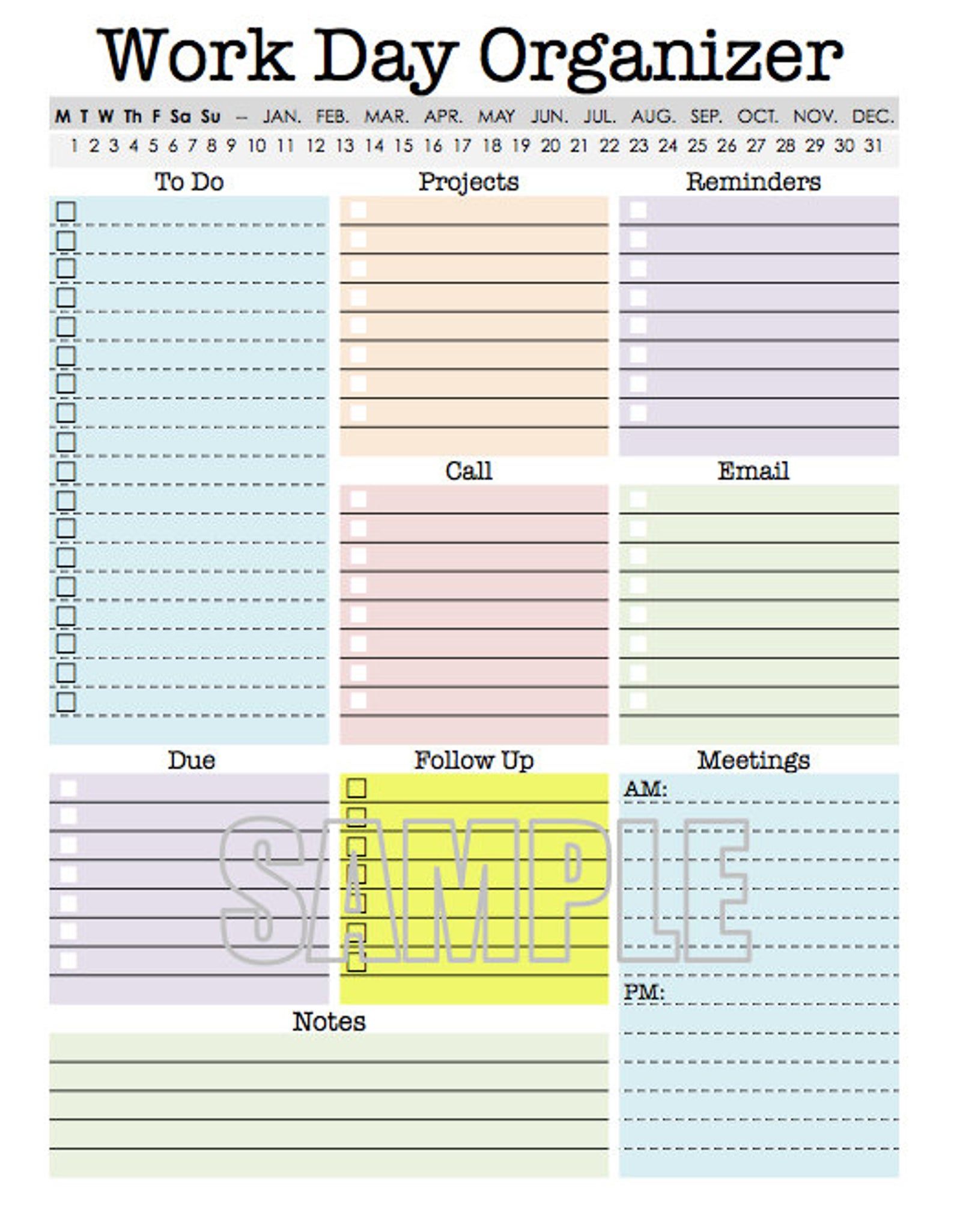
Understanding the Layout of a Daily Work Planner
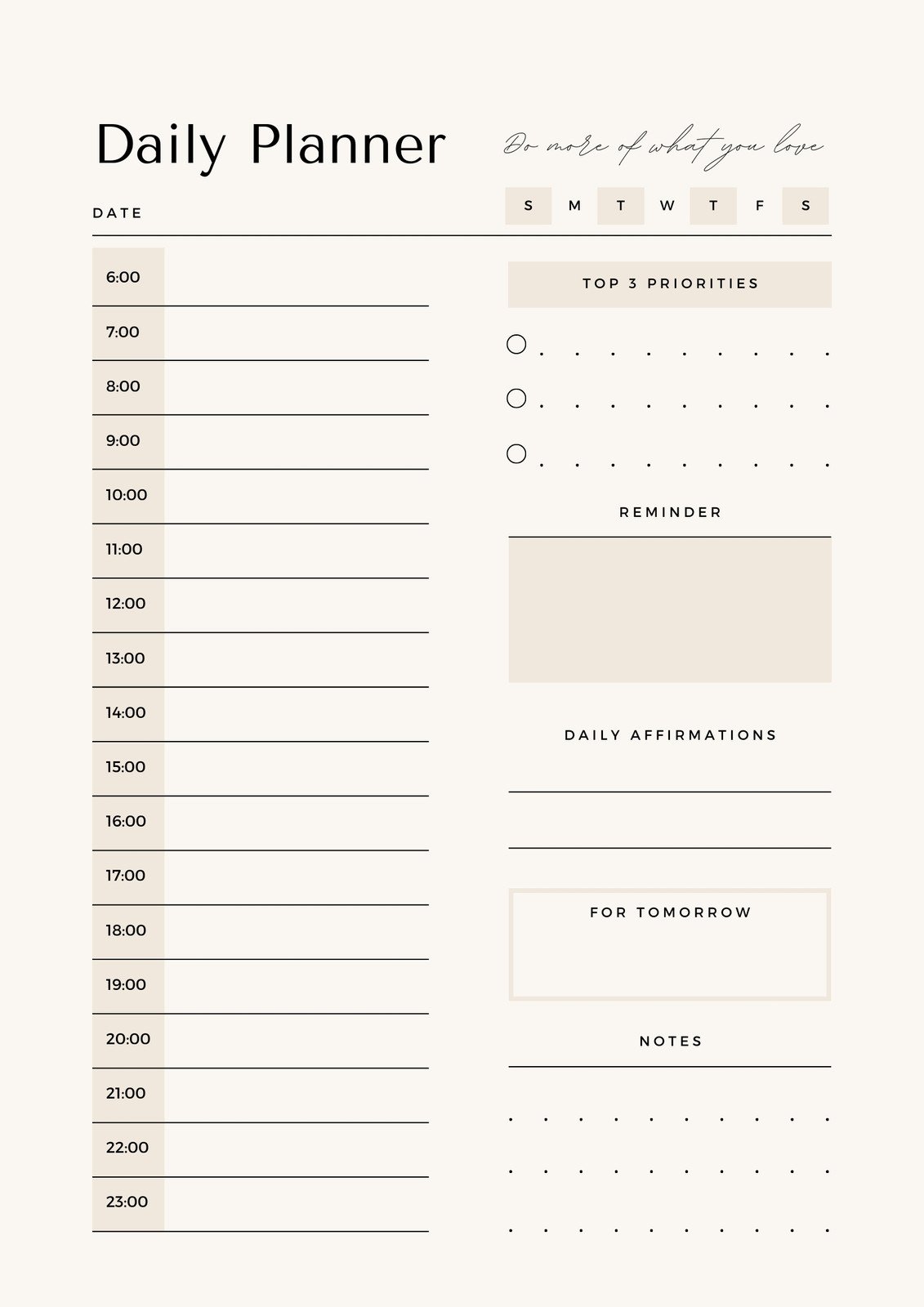
When selecting a daily work planner, the layout is crucial. Most planners offer either a vertical or horizontal format. The vertical layout tends to work better for families with multiple activities, allowing you to allocate specific time slots for each task. On the other hand, a horizontal layout can be great for a quick overview of the day, making it easy to spot gaps in your schedule.
Another important aspect is the inclusion of sections. A well-structured daily planner typically features spaces for:
- To-Do Lists: A dedicated section for tasks helps you prioritize what needs to be done.
- Time Blocks: You can schedule specific activities or subjects for each hour, ensuring that you stay on track.
- Notes: A space for jotting down thoughts or reminders can be invaluable, especially for homeschool families who may need to document progress or plan future lessons.
Having a clear and intuitive layout not only helps you stay organized but also encourages your children to take ownership of their tasks.
Choosing the Right Format for Your Planner
The format of your Daily Work Planner Free Printable can significantly impact how effectively it works for your family. Here are some common choices:
- Loose-Leaf: This option allows for flexibility. You can easily rearrange pages or add new ones as needed. It’s perfect if you foresee changes in your routine or subjects.
- Bound: A bound planner offers a more polished appearance and is easier to flip through. However, it may limit your ability to customize or change the order of pages.
- Digital: If you prefer a tech-savvy approach, some planners are available in digital format, allowing you to fill them out on a tablet or computer. This option is particularly handy if you want to save paper or if your kids like using devices.
Each format has its pros and cons, so consider your family’s workflow. If you find that your plans change often, a loose-leaf planner might be the best fit. However, if you prefer a tidy, organized appearance, a bound version could work better.
Paper Choices and Printing Tips
Once you’ve decided on the format, the next step is choosing the right paper and printing options. If you plan to laminate the pages for durability, opting for cardstock is wise. It holds up better than regular printer paper and can withstand daily use.
If you’re printing at home, keep in mind the following tips:
- Paper Size: Standard sizes like 8.5″ x 11″ are typically best for home printers. This size is easily manageable and fits most binders.
- Print Settings: Adjust your printer settings to ensure high-quality prints. Often, selecting the “Best” quality setting yields clearer and more vibrant colors.
- Double-Sided Printing: If your planner includes multiple sections, consider printing on both sides of the paper to save space and keep everything in one place.
These details may seem minor, but they can greatly enhance your planner’s usability.
Setting Up Your Daily Work Planner
Setting up your Daily Work Planner Free Printable is where the magic happens. Start by filling in any recurring events or appointments. This might include:
- Class Subjects: Schedule specific times for each subject your children are studying.
- Extracurricular Activities: Include sports, music lessons, or any other activities that are part of your routine.
Once you have these foundational elements in place, it’s time to look at the daily tasks. A good practice is to involve your children in this process. Ask them what they feel comfortable tackling each day, and help them set realistic goals. This not only promotes responsibility but also gives them a sense of ownership over their education.
Encouraging Follow-Through With Your Planner
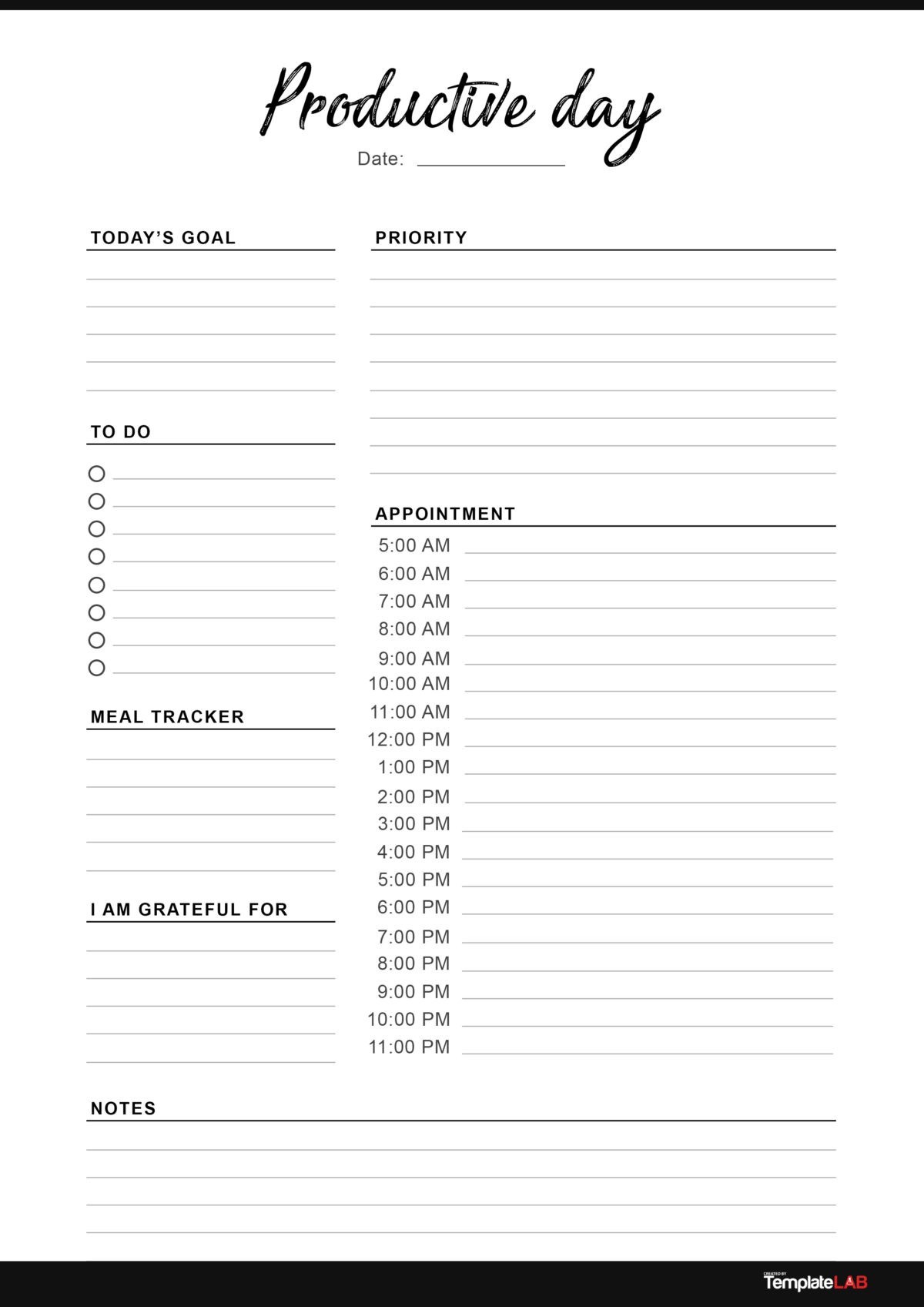
Having a Daily Work Planner is one thing, but ensuring that you and your children actually use it effectively is another. Here are some strategies to encourage follow-through:
- Daily Check-Ins: Set aside a few minutes each morning or evening to review the planner together. This helps everyone stay on the same page and reinforces routines.
- Reward Systems: Consider implementing a reward system for completing tasks. Simple incentives can motivate your kids to stay engaged and finish their work.
- Reflect and Adjust: At the end of each week, take some time to reflect on what worked and what didn’t. Adjust your planner as needed to better fit your family’s rhythm.
By actively engaging with the planner, you’ll foster a productive environment where everyone knows what to expect each day.
