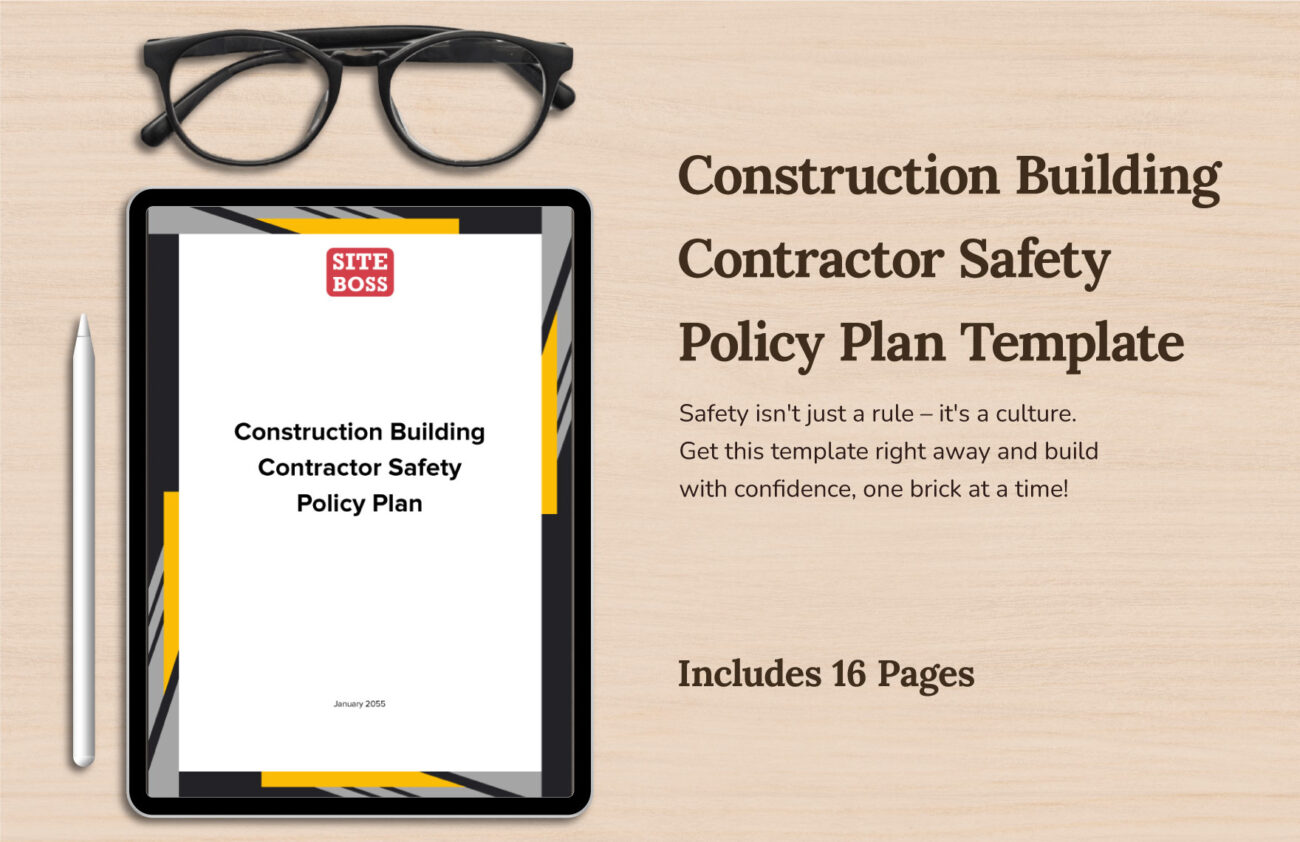
Creating a safe environment for your painting projects is essential, and having a solid safety plan is a critical part of that. A Free Printable Safety Plan Paint Contractor can help you outline specific safety measures tailored to your unique needs. This resource not only offers a structured approach to safety but also ensures that you have a clear plan that you and your team can follow.
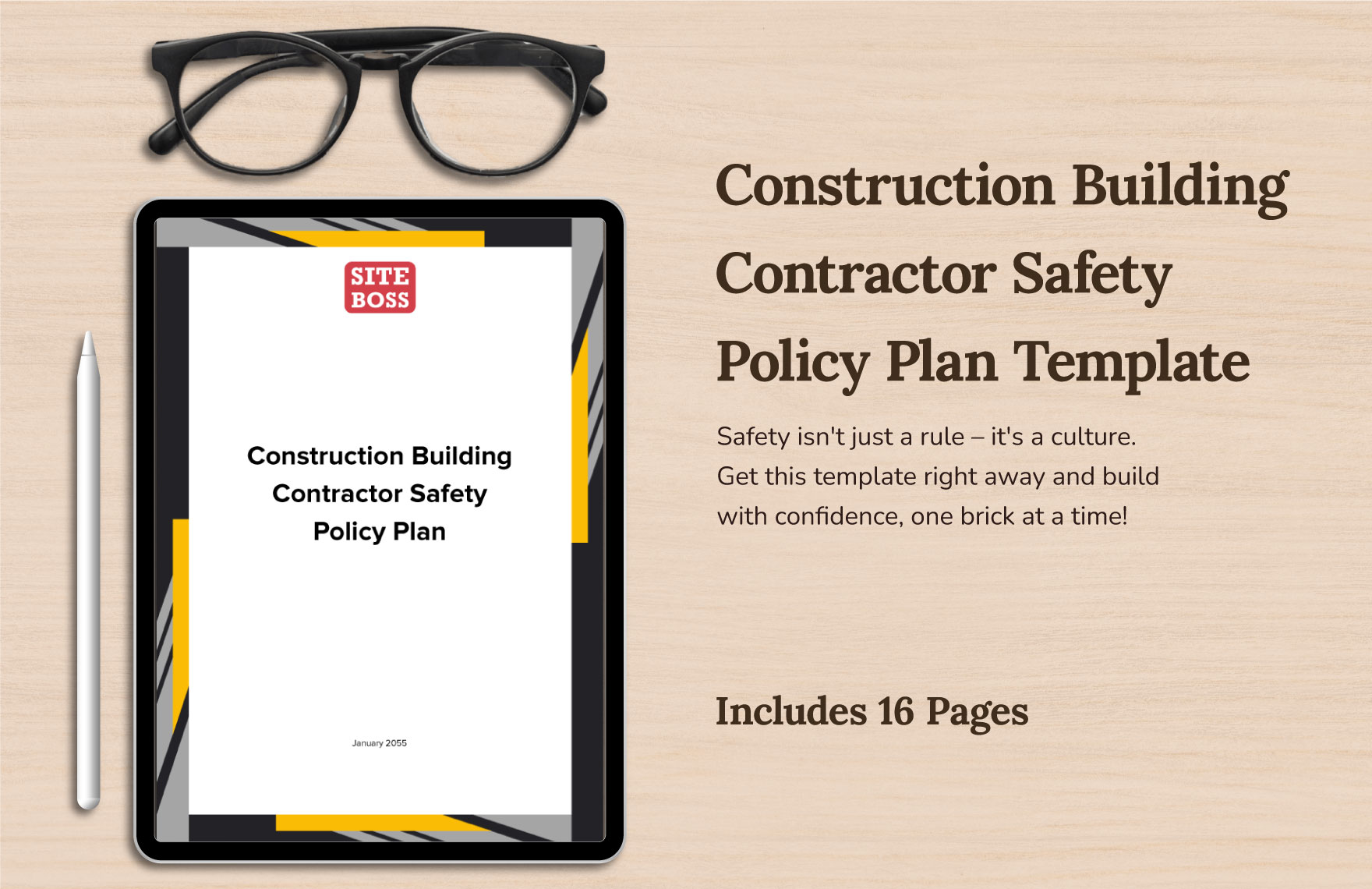
Understanding the Layout of the Printable Safety Plan
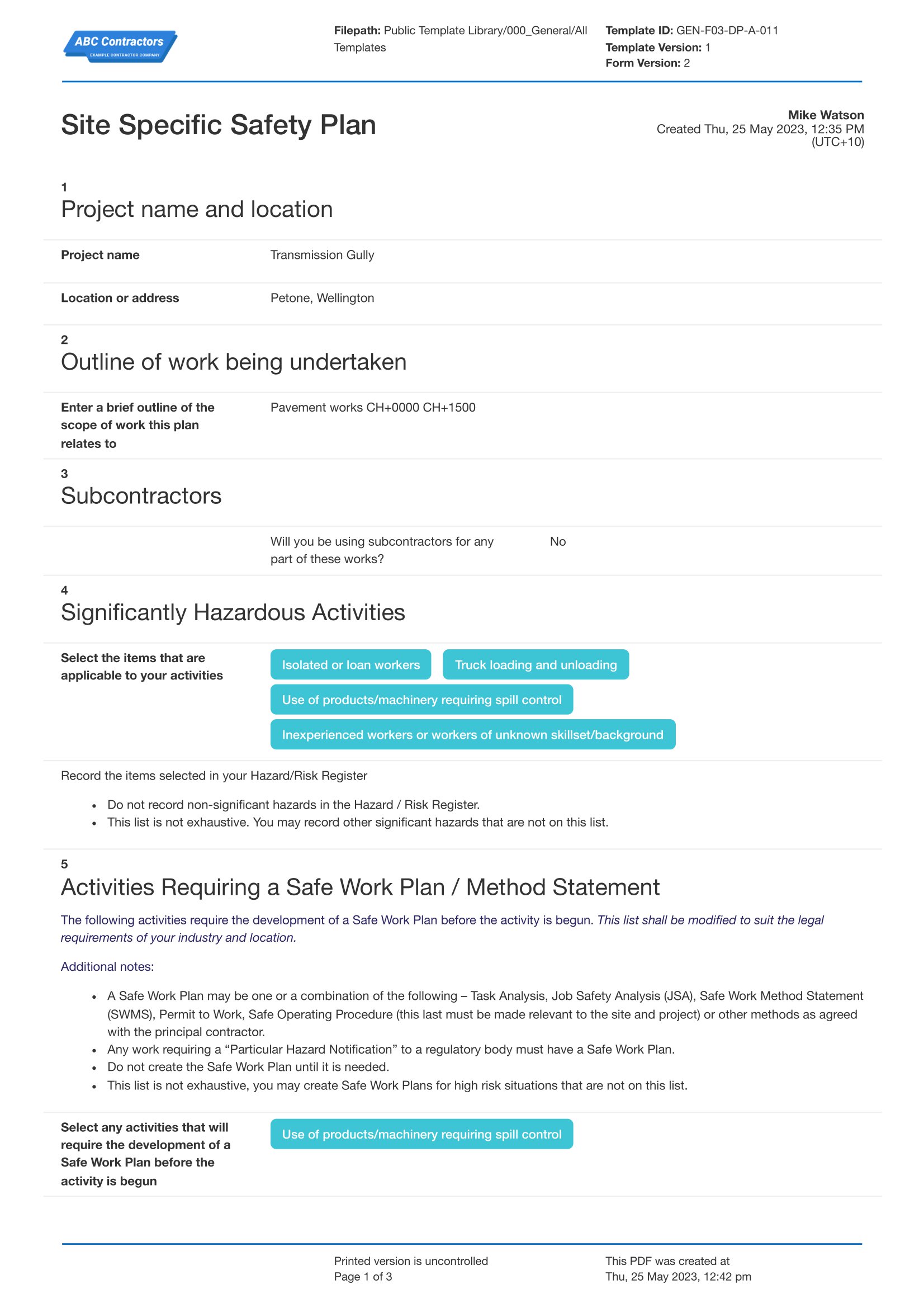
When you download the Free Printable Safety Plan Paint Contractor, you’ll notice a well-organized layout that facilitates easy comprehension and quick reference. The document typically includes sections for identifying hazards, outlining safety procedures, and specifying personal protective equipment (PPE) requirements.
A typical format is letter-sized (8.5 x 11 inches), which makes it convenient to print and display on-site. The sections are clearly defined, often with headings that guide you through the necessary components of your safety plan. This structured approach allows you to quickly fill in specific details relevant to your project, such as the types of paints you’ll be using, the equipment required, and emergency contact numbers.
Key Sections of the Safety Plan
Hazard Identification
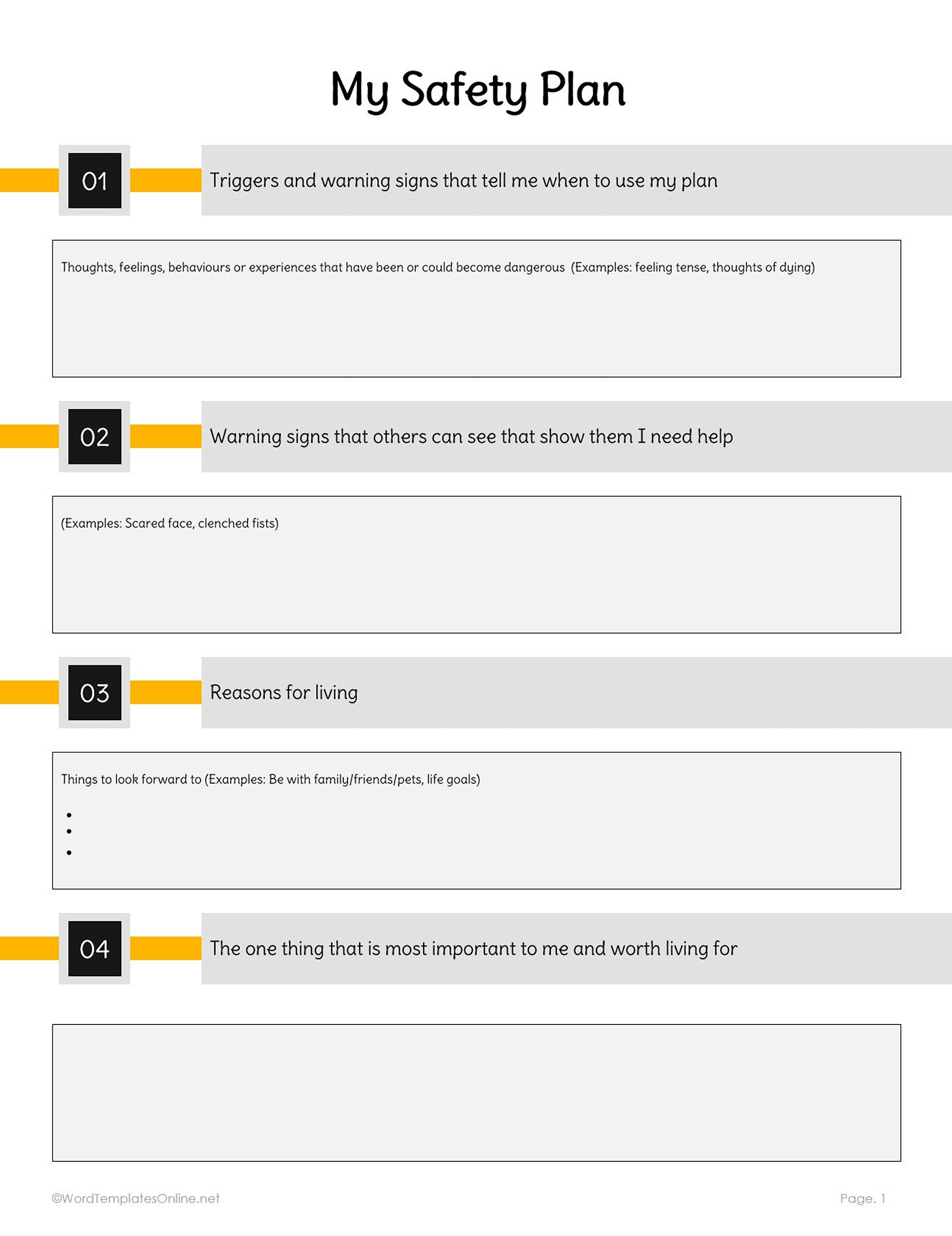
The first major section of the safety plan focuses on hazard identification. This is where you’ll list potential risks associated with your painting project. Common hazards might include exposure to toxic fumes, slips and falls, or equipment accidents.
You can fill in specific details like the type of paint being used or the conditions of the workspace. Being thorough in this section is crucial, as it sets the foundation for the safety measures that follow.
Safety Procedures
Following hazard identification, the safety procedures section outlines the steps you and your team should take to mitigate these risks. This area might include guidelines for ventilation, safe handling of materials, and procedures for using ladders or scaffolding.
It’s useful to write these procedures in clear, actionable language. For example, instead of saying “be careful with ladders,” you could specify “always maintain three points of contact when climbing.” This clarity helps ensure that everyone understands their responsibilities.
Personal Protective Equipment (PPE)
Another vital section is dedicated to personal protective equipment. Here, you’ll specify what PPE is required for your project. Common items might include respirators, gloves, goggles, and protective clothing.
Detailing the necessary equipment not only protects your team but also ensures compliance with safety regulations. You can even include a checklist for team members to confirm they have the required gear before starting work.
Practical Tips for Using Your Safety Plan
After downloading your Free Printable Safety Plan Paint Contractor, you might wonder how to implement it effectively. Here are some practical tips:
- Print Multiple Copies: It’s a good idea to have several copies of your safety plan on hand. Distribute them to each team member and keep one at the main worksite for easy access.
- Review Regularly: Before starting a project, hold a quick meeting to review the safety plan with your team. This ensures everyone is aware of the protocols and feels comfortable asking questions.
- Adapt as Needed: Your safety plan is not a one-size-fits-all document. Feel free to modify it based on specific project conditions or new safety regulations. Keeping it updated reflects your commitment to safety.
- Incorporate Training Sessions: Use the safety plan as a foundation for training sessions. Discuss the hazards and safety procedures outlined in the document, allowing team members to engage in discussions about best practices.
- Post the Plan on Site: Consider displaying your safety plan prominently at the worksite. This serves as a constant reminder of safety protocols and can be a quick reference for team members throughout the project.
