Finding ways to make math fun can often feel like a balancing act. You want your kids to grasp essential concepts while enjoying the process. That’s where free printable worksheets on the coordinate plane come in handy. These resources are not just paper; they’re tools to spark curiosity and understanding in geometry and graphing.
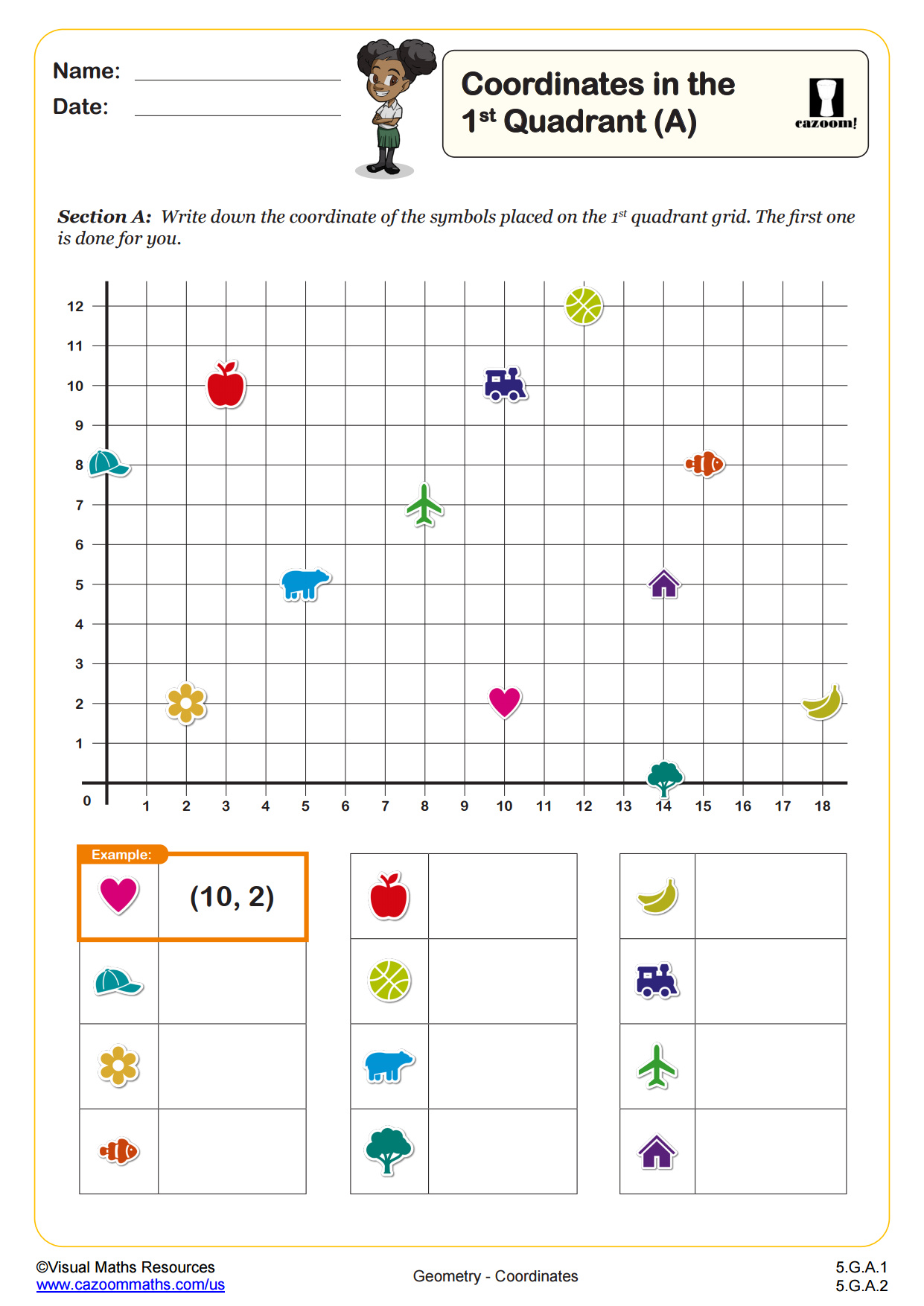
Understanding the Coordinate Plane
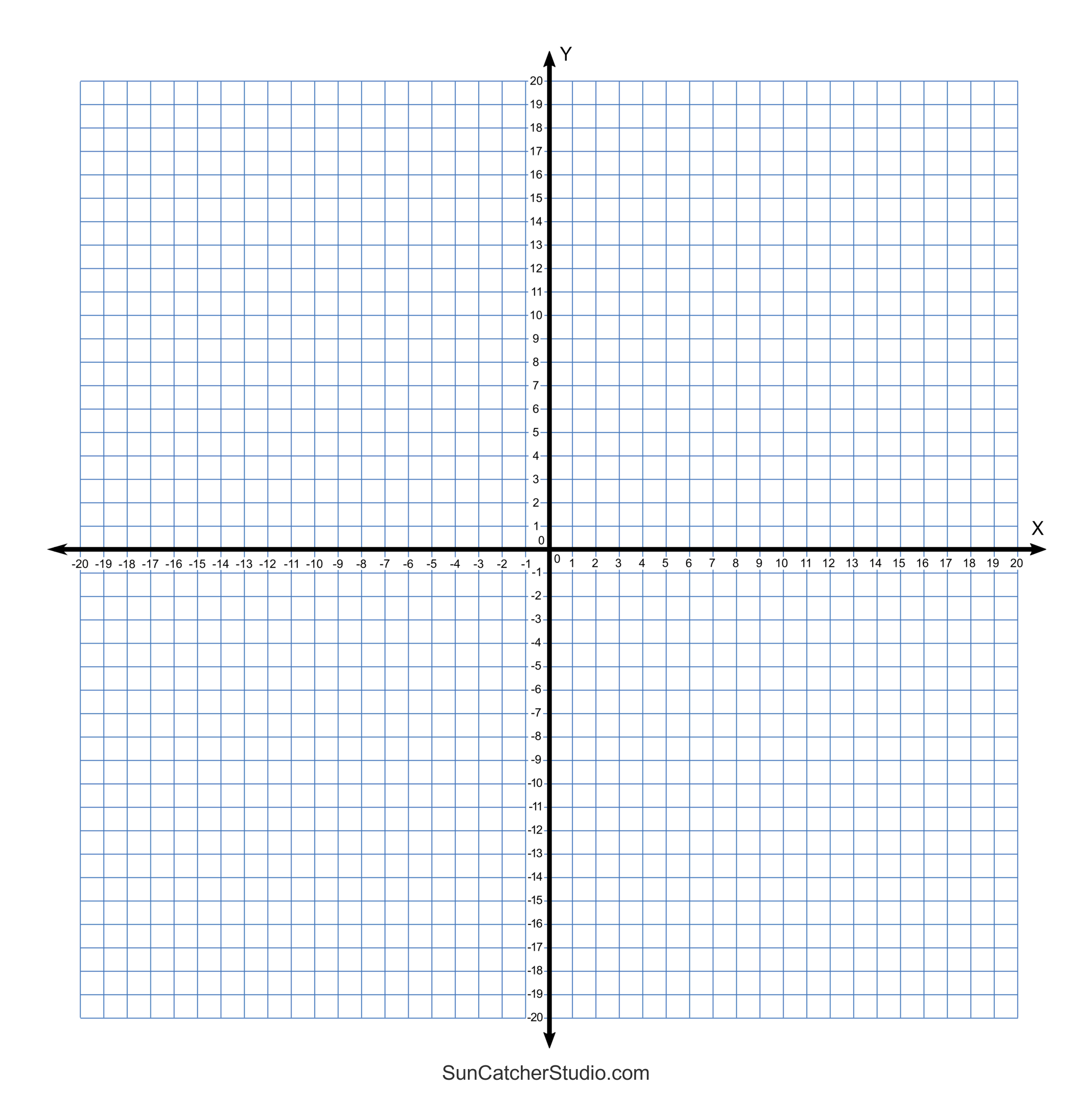
Before we look at the worksheets, let’s quickly review what a coordinate plane is. Picture a large piece of graph paper, divided into four sections by two lines: the x-axis (horizontal) and the y-axis (vertical). Each point on this grid is defined by a pair of numbers, called coordinates, which tell you where to find that point. Kids typically encounter the coordinate plane in middle school math, making these worksheets perfect for 5th to 8th graders.
Why Use Worksheets?
Worksheets provide a structured way for kids to practice their skills. They can work at their own pace, and you can easily track their progress. Using free printable worksheets on the coordinate plane allows children to visualize math concepts and improve their spatial reasoning—skills that are not only vital for math but also for everyday problem-solving.
Choosing the Right Worksheets
When selecting worksheets, consider the variety of activities they offer. Look for worksheets that include:
- Graphing points
- Plotting lines
- Solving equations
- Understanding quadrants
- Real-world applications of coordinate planes
This variety keeps learning fresh and engaging. You want resources that challenge your child but are also fun to work with.
Where to Find Quality Worksheets
There are many websites offering free printable worksheets on the coordinate plane. Some popular options include:
- Educational resource sites that specialize in math
- Teacher blogs that share their materials
- Printable resources that focus on specific grade levels
Make sure to check the worksheets for clarity and age-appropriateness. Look for ones that can be easily printed on standard 8.5 x 11-inch paper, as this is the most common size for home printing.
Preparing to Print and Use Worksheets
Once you’ve chosen the right worksheets, it’s time to prepare for use. Here are some tips to ensure a smooth experience:
- Print Settings: Choose portrait layout for most worksheets. This layout typically aligns better with how kids visualize the grid.
- Paper Quality: Use standard printer paper for everyday worksheets. If kids will be writing heavily or if you want them to last longer, consider using cardstock.
- Laminating: For worksheets that can be reused, laminating them is a great idea. Kids can use dry-erase markers to practice multiple times.
- Organizing: Create a binder or folder for different worksheets. This way, your kids can easily access them and keep their work organized.
Engaging With the Worksheets
After printing, it’s time to get hands-on! Here’s how you can help your child engage with the worksheets effectively:
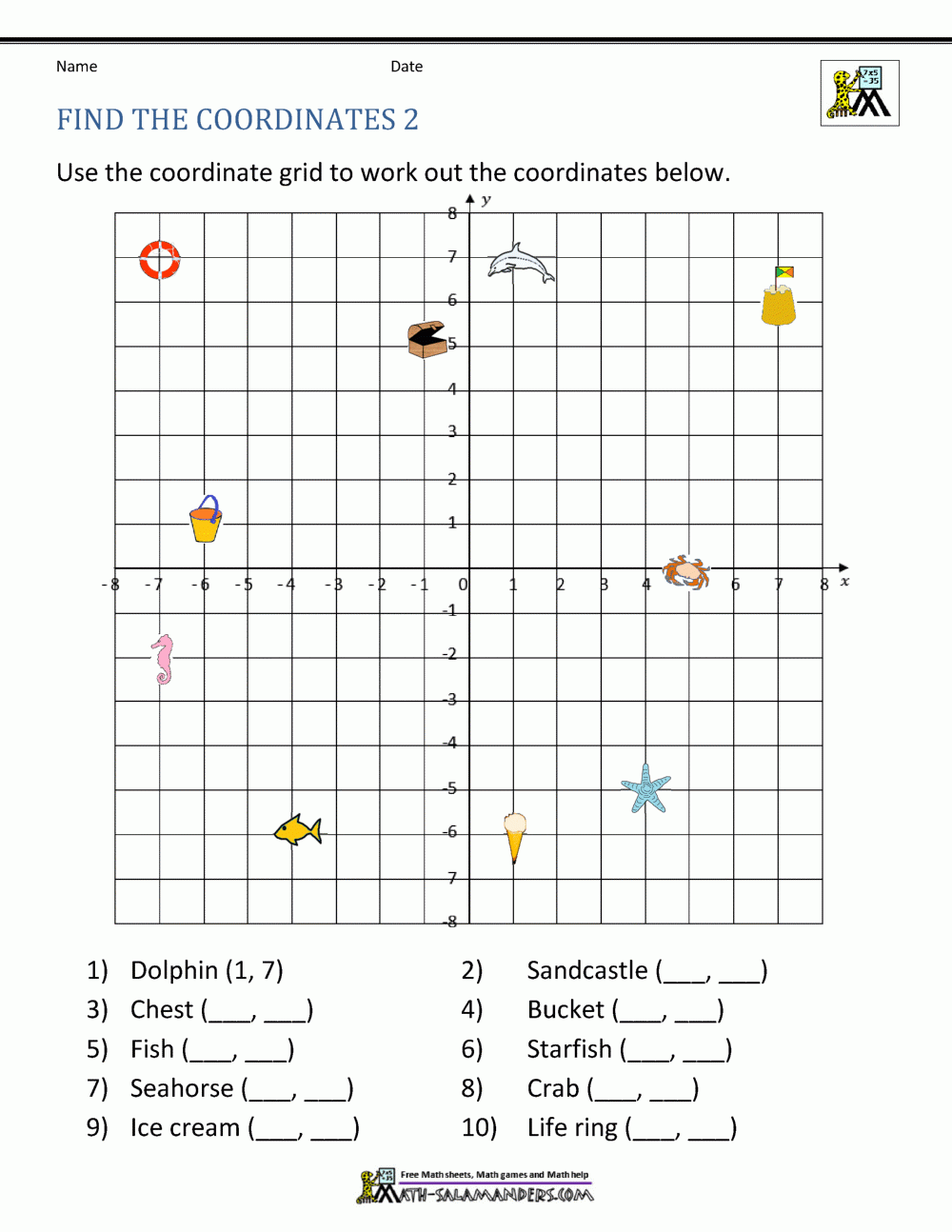
- Set Goals: Before starting, discuss what they will learn. For example, if they’re plotting points, explain how this relates to real-world navigation.
- Review Together: Work through the first few problems together. This helps reinforce concepts and builds confidence.
- Encourage Creativity: Allow kids to create their own coordinate grids or problems after completing the worksheets. This promotes deeper understanding.
- Incorporate Technology: If available, use online graphing tools to complement the worksheets. This can provide instant feedback and help visualize concepts further.
Expanding Beyond Worksheets
While worksheets are fantastic, consider integrating other activities to strengthen understanding. Here are a few ideas:
- Games: Play coordinate plane games, like Battleship, to make learning more interactive.
- Real-Life Applications: Take a trip to a local park or playground and create a simple coordinate grid on paper. Have the kids locate different objects or landmarks using coordinates.
- Art Projects: Let kids create art using graph paper. They can plot points to create shapes or images, blending math with creativity.
- Group Activities: If your kids are part of a study group or class, have them work together on worksheets. This encourages collaboration and discussion.
By mixing worksheets with these engaging activities, you’ll help your child see math as not just a subject but a tool they can use in everyday life.
Here’s a quick tip: When you sit down to work on these worksheets, set aside a quiet space free from distractions. A focused environment will help your child concentrate and enjoy the learning process more.
