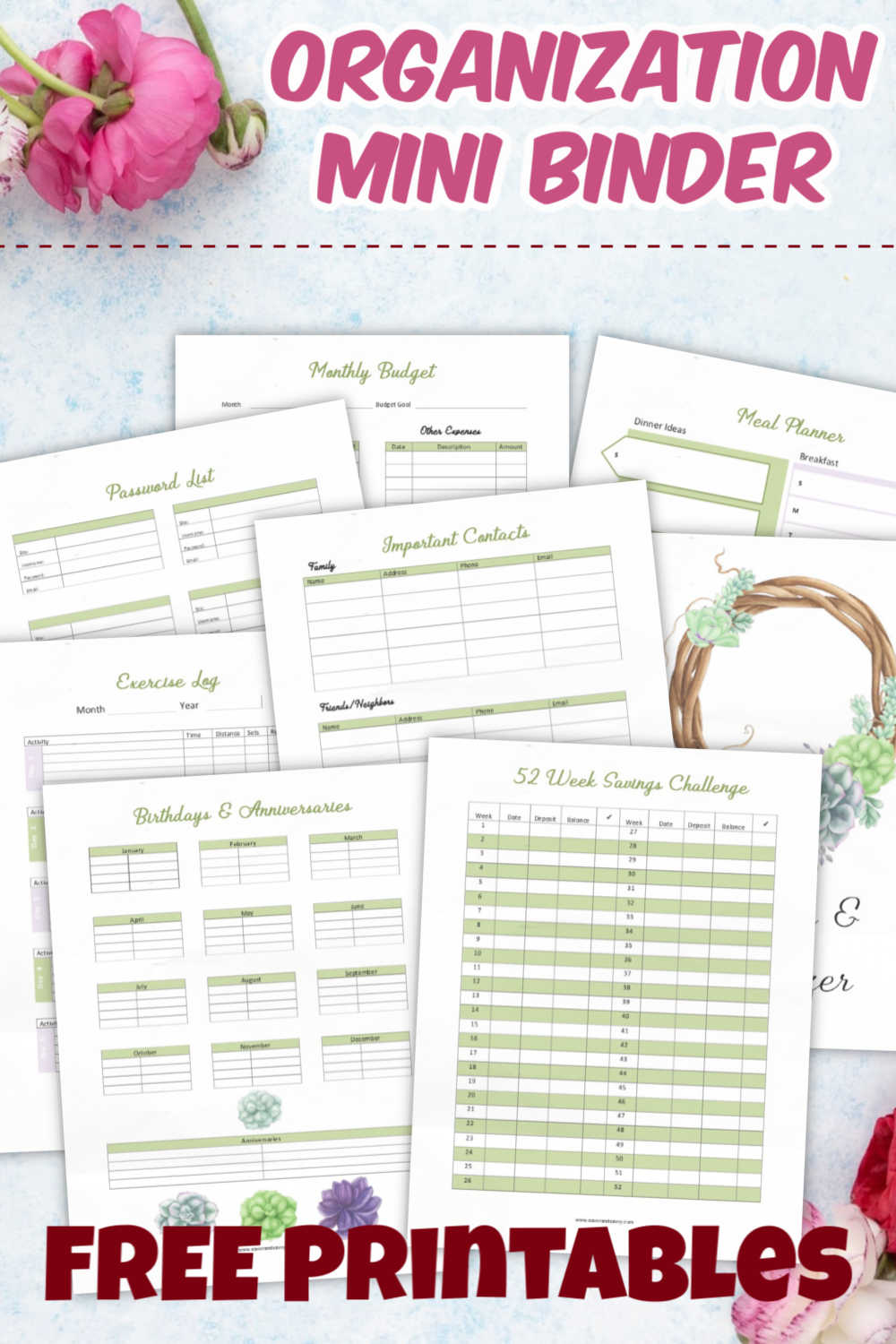
Staying organized and focused on your goals can be challenging. If you are managing a busy work schedule, planning family events, or just trying to keep track of your personal ambitions, having the right tools is essential. Mini Binder Planner Printables Free are an excellent solution for anyone looking to streamline their planning process. These printables allow you to create a customized planner that fits your specific needs, making it easier to keep everything in one place.
Why Choose Mini Binder Planners?
Mini binder planners are versatile and compact, allowing you to carry your plans wherever you go. They offer a unique blend of flexibility and organization, perfect for adults managing their goals. With the option to add or remove pages, you can adapt your planner to your changing needs. This is particularly useful if you prefer a minimalist approach one month and a more detailed layout the next.
Using Mini Binder Planner Printables Free, you can personalize your planner by selecting specific sections that resonate with your planning style. The templates typically include sections for monthly calendars, weekly layouts, habit trackers, and goal-setting pages. This variety ensures you have the right tools to stay on track, no matter what your goals may be.
Getting Started With Your Mini Binder Planner
Step 1: Choose Your Printable Templates
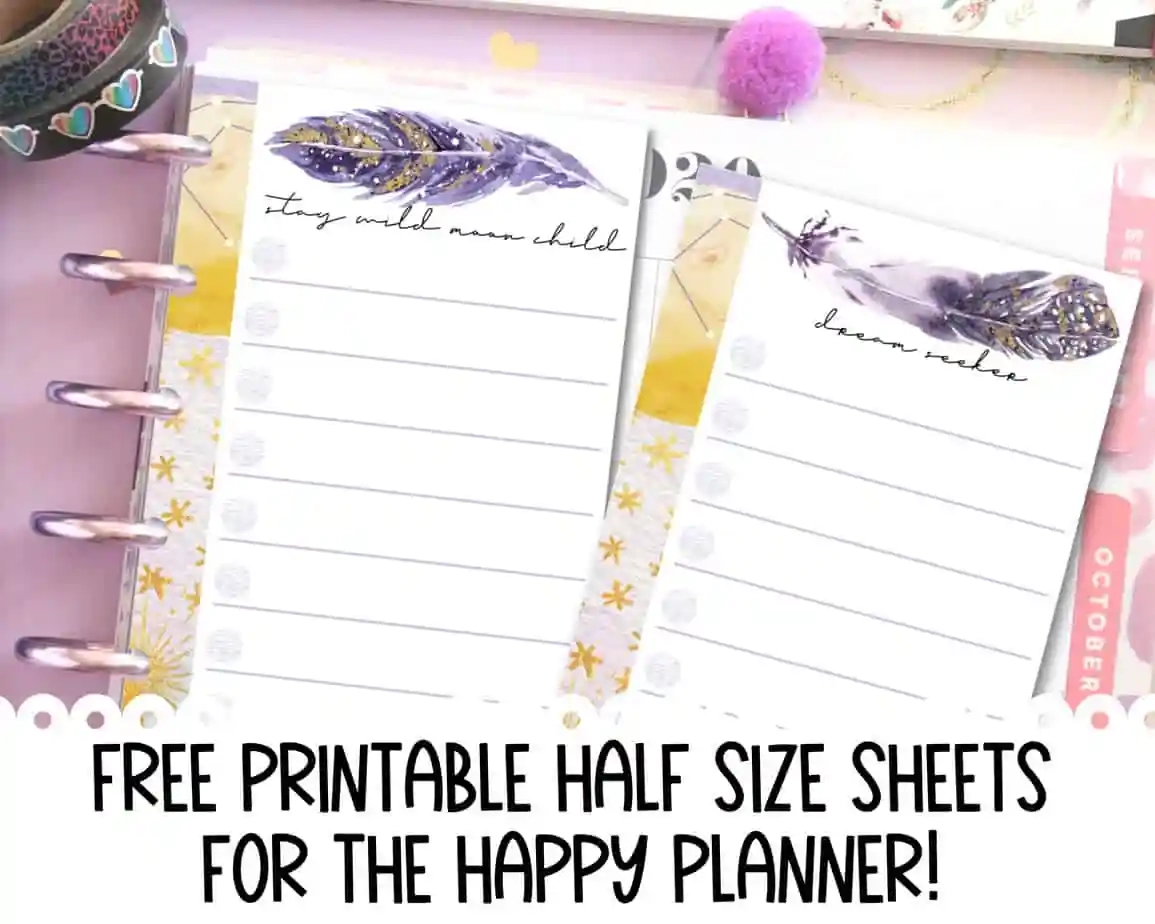
The first step is selecting the right templates for your mini binder planner. When looking for Mini Binder Planner Printables Free, consider what sections you need most. Here are a few common templates you might want to include:
- Monthly calendar pages
- Weekly planner layouts
- Daily to-do lists
- Habit trackers
- Goal-setting sheets
Choosing templates tailored to your specific needs is crucial; it ensures that your planner serves its purpose effectively. Look for printables that resonate with your planning style and make you excited to use them.
Step 2: Download and Print Your Templates
Once you’ve selected your desired printables, it’s time to download and print them. Most planners are available in PDF format, which is ideal for maintaining the layout and design. When printing, consider the following tips:
- Use standard letter-sized paper (8.5 x 11 inches) for easy fitting in a mini binder.
- If you plan to use colored pens or markers, choose a heavier paper or cardstock to prevent ink bleed-through.
- Printing on both sides can save paper and keep your planner compact.
Be sure to check your printer settings to ensure they match your paper size. Most home printers handle standard formats well, but double-checking can save you time and frustration.
Step 3: Organize Your Mini Binder
After printing, it’s time to assemble your mini binder. Start by organizing your printables in a logical order. Here’s a suggested layout:
- Monthly Calendar: Place your monthly calendar pages at the front for quick access.
- Weekly Planner: Follow with weekly layouts to help you break down your month into manageable chunks.
- Daily To-Do Lists: Include daily lists for specific tasks, allowing you to focus on day-to-day productivity.
- Habit Trackers: Position these after your daily lists to monitor your progress on various habits.
- Goal-Setting Sheets: Finally, keep your goal-setting pages at the back to inspire ongoing planning.
By organizing your mini binder this way, you ensure that you can find what you need quickly and easily. This setup encourages you to engage with your planner regularly, which is vital for maintaining your goals.
Step 4: Personalize Your Planner
Don’t hesitate to add personal touches to your mini binder planner. You can use stickers, colored tabs, or washi tape to separate sections visually. Personalization enhances your engagement with the planner, making it feel more like your own.
Consider adding a vision board section where you can include images, quotes, or anything that inspires you. This visual element can serve as a constant reminder of your goals and aspirations.
Step 5: Set Up a Routine
With your mini binder all set up, the next step is to establish a planning routine. Consistency is key to making the most out of your planner. Here are a few tips to help you develop a routine:
- Weekly Review: Set aside time each week to review your goals and plan for the upcoming week. This practice keeps you focused and accountable.
- Daily Check-Ins: Take a few minutes each day to look over your planner. Update any tasks and reflect on your progress.
- Adjust as Needed: Don’t be afraid to modify your planner setup if something isn’t working. Flexibility is one of the major benefits of using a mini binder planner.
Establishing these routines ensures that you’re not only using your planner but also actively engaging with your goals.
Sections to Include in Your Mini Binder Planner
Monthly Calendar
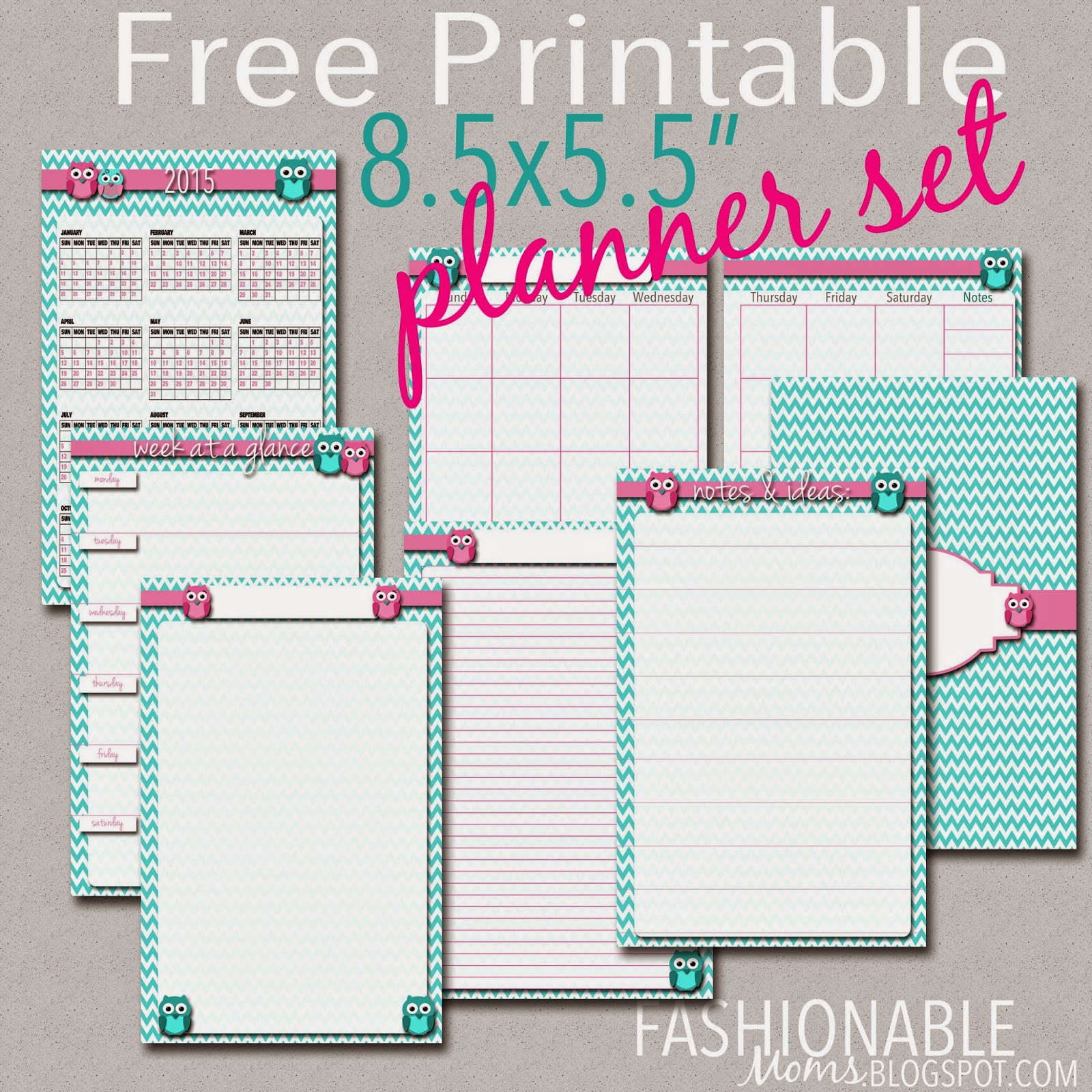
A monthly calendar is a crucial section, allowing you to see the big picture at a glance. It’s useful for marking important dates, deadlines, and events. You can highlight or color-code specific days to prioritize tasks or track habits.
Weekly Planner
The weekly planner is where the real action happens. Here, you can break down your monthly goals into actionable tasks. This section can include:
- A space for daily tasks
- Priorities for the week
- Notes for important events
Habit Tracker
Habit trackers are fantastic for monitoring your daily habits. You can create a simple grid where you check off each day you complete a habit. This visual representation can motivate you to stay on track and see your progress over time.
Goal-Setting Pages
Goal-setting pages should be designed to help you outline your long-term and short-term goals. Consider using a SMART goals format (Specific, Measurable, Achievable, Relevant, Time-bound) to clarify what you want to achieve.
Include reflection sections where you can assess your progress and adjust your strategies as needed. This element is critical in ensuring continuous growth and development.
