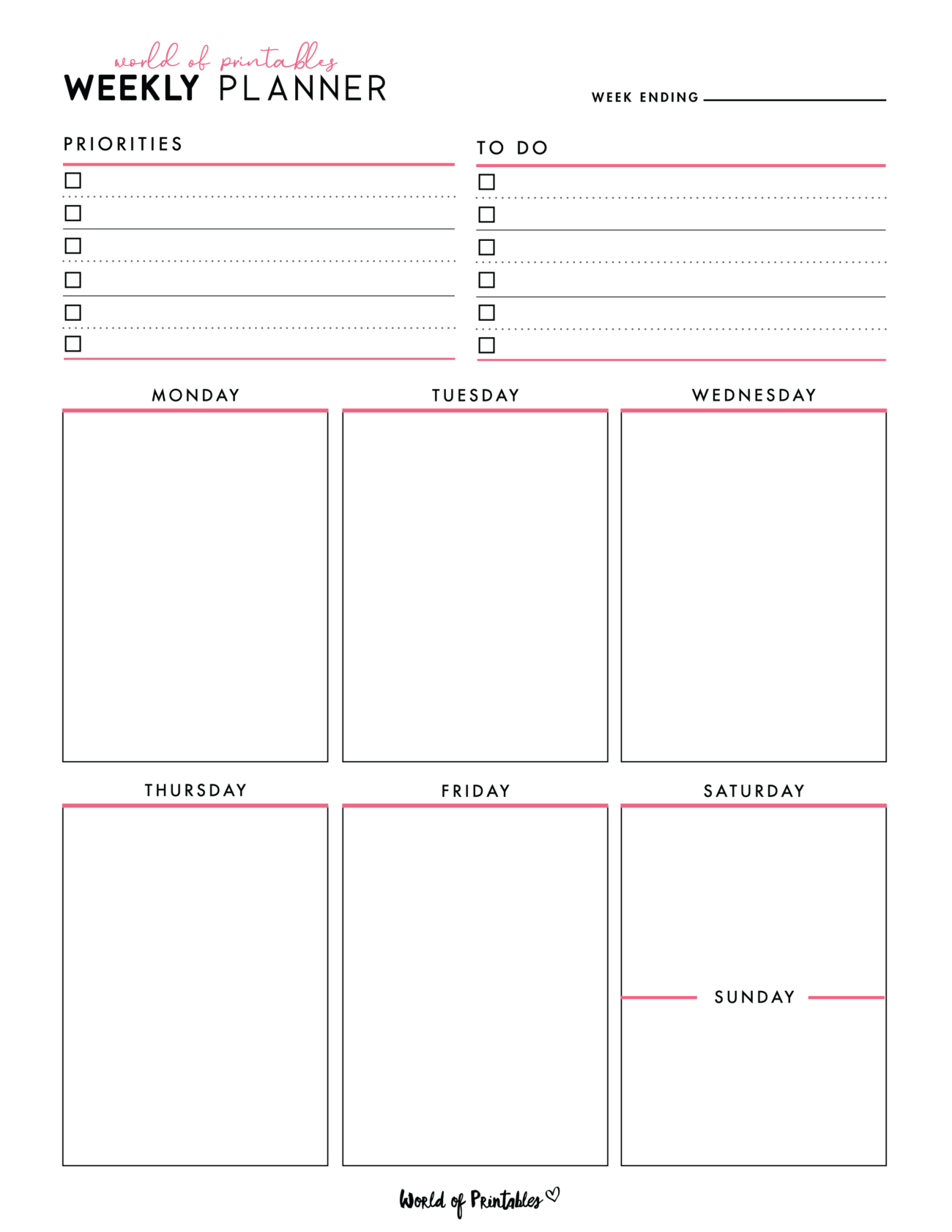
When it comes to planning your week, having the right tools can make all the difference. A well-structured weekly planner allows you to visualize your tasks, prioritize your goals, and keep everything organized in one place. This guide will help you understand how to effectively use a printable resource to print your own weekly planner, ensuring you maximize its potential for productivity.
Understanding the Layout of Your Weekly Planner
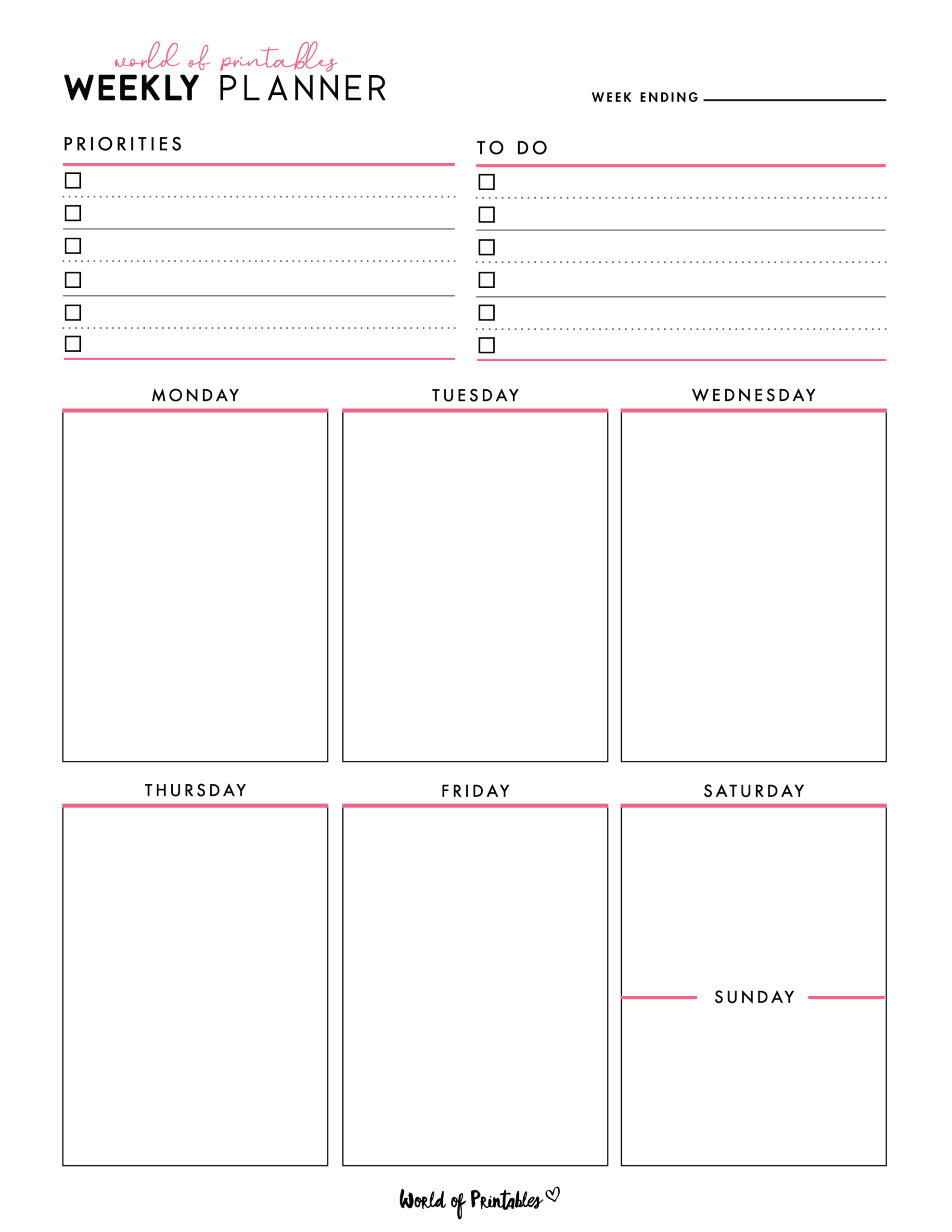
The layout of a weekly planner is designed to give you a comprehensive view of your week at a glance. Most planners feature a two-page spread, allowing you to see all seven days side by side. Each day is typically divided into sections for different times of the day or activities. This layout encourages you to allocate your time wisely.
In a well-designed weekly planner, you may find sections like:
- Daily Tasks: Here, you can jot down specific tasks you want to accomplish each day.
- Priorities: This section lets you identify the top three tasks that must be completed, helping you focus on what matters most.
- Notes: A space for additional thoughts or reminders that don’t fit into your daily tasks.
The layout you choose can significantly affect how you use your planner. For instance, if you have a busy schedule, a planner with hourly slots might be best. On the other hand, if you prefer a more relaxed approach, a simple checklist format could work better.
Key Sections to Enhance Your Planning
When you print your own weekly planner, the sections you include can greatly influence your productivity. Below, I’ll break down some essential sections and how they can support your planning routine.
Daily and Weekly Overview
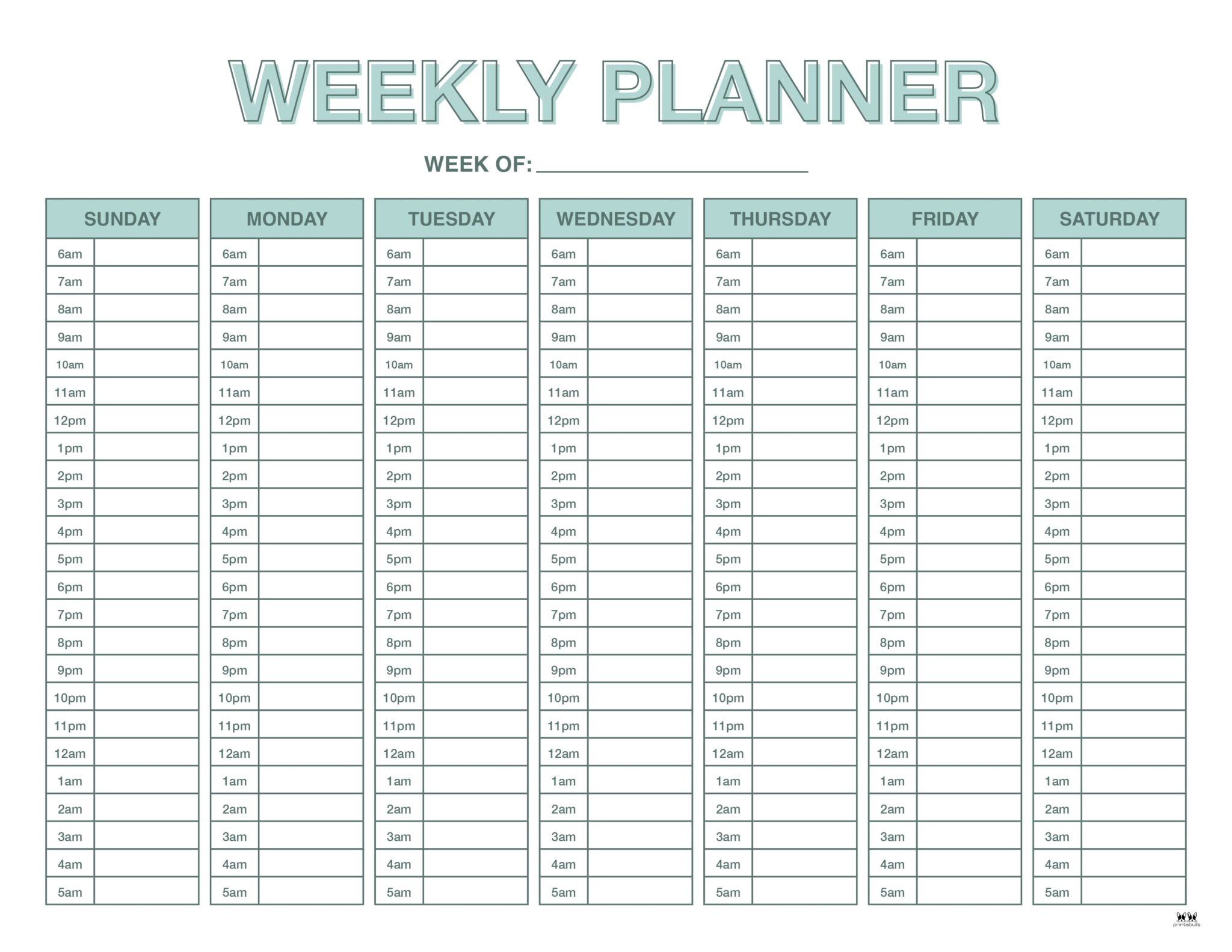
The first part of your planner should provide an overview for the week. This usually includes space for each day, where you can write down appointments, meetings, and deadlines.
- Tip: Use different colors for different types of activities (e.g., work, personal, family) to quickly identify your commitments at a glance.
Priority List
A priority list is a useful option when it comes to managing tasks. This section should be at the top of each week’s page. You can write down your top three tasks for the week. By keeping this visible, you’re more likely to stay focused on your high-priority items.
Habit Tracker
Incorporating a habit tracker can help you build and maintain routines. This section allows you to track daily habits like exercise, reading, or meditation. You may find checkboxes or a simple grid format helpful here.
- Why it matters: Tracking habits can motivate you to stay consistent and accountable to your goals.
Notes Section
Finally, a notes section is invaluable for jotting down ideas, reminders, or reflections. This could be a freeform area where you write anything that comes to mind.
- Advice: Consider including quotes or affirmations that inspire you throughout the week.
Choosing the Right Format for Your Planner
When you decide to print your own weekly planner, you’ll come across different formats. The choice of format can impact how you interact with the planner and integrate it into your life.
Printable PDF Vs. Image Files
A printable PDF is usually the best option. It maintains the layout and design, ensuring that everything prints correctly. Image files, while they may be easier to download, can sometimes get distorted when printed.
Paper Size and Type
Most planners are available in standard sizes like A4 or letter size, which are typically easier to print at home. If you want your planner to last longer, consider printing on heavier paper or cardstock.
- Recommendation: Use a portrait layout for a more traditional planner feel, or landscape if you prefer more horizontal space for your daily schedules.
Tips for Effective Use of Your Planner
Now that you’ve got your weekly planner printed out, it’s time to make it work for you. Here are some practical tips for integrating this tool into your daily routine.
Set a Weekly Planning Session
Dedicate a specific time each week to fill out your planner. This could be Sunday evening or Monday morning—whatever works best for your schedule. During this time, review your priorities and set goals for the week ahead.
Keep Your Planner Accessible
Place your planner somewhere you’ll see it daily, like your desk or kitchen counter. The more visible it is, the more likely you are to use it consistently.
Reflect and Adjust
At the end of each week, take a moment to reflect on what worked and what didn’t. Did you accomplish your priorities? Were there tasks that took longer than expected? Adjust your planning process accordingly for the next week.
Making the Most of Your Printable Planner
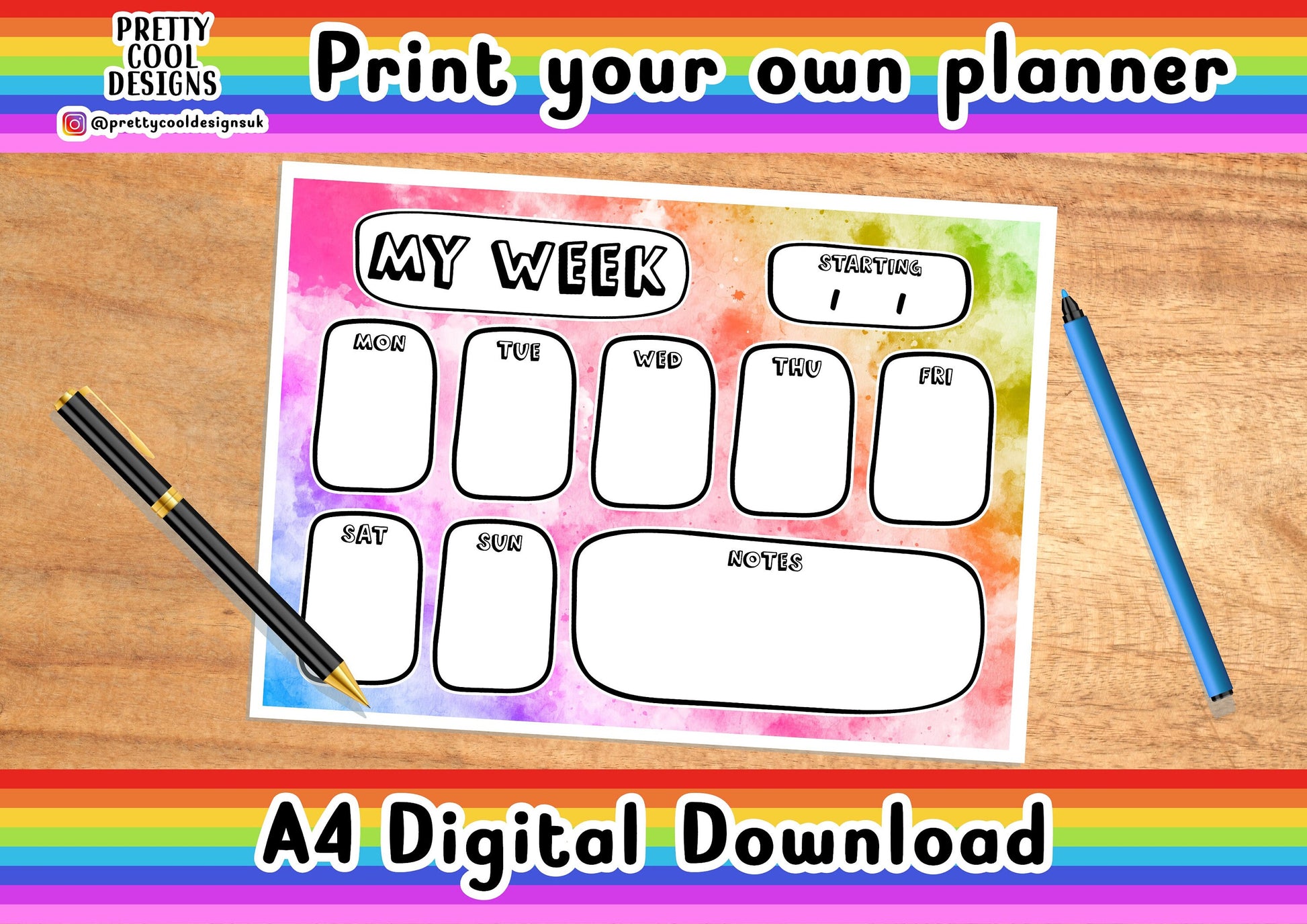
A printable weekly planner is more than just a sheet of paper; it’s a tool that can help you achieve your goals and manage your time effectively. By customizing the layout to fit your needs, focusing on key sections, and establishing a routine, you can turn planning into a productive habit.
Take the time to explore different designs and layouts to find what resonates with you. Whether you prefer a minimalist design or a more detailed layout, the right weekly planner can truly enhance your daily organization. So, grab your favorite paper, print your own weekly planner, and start taking control of your week!
