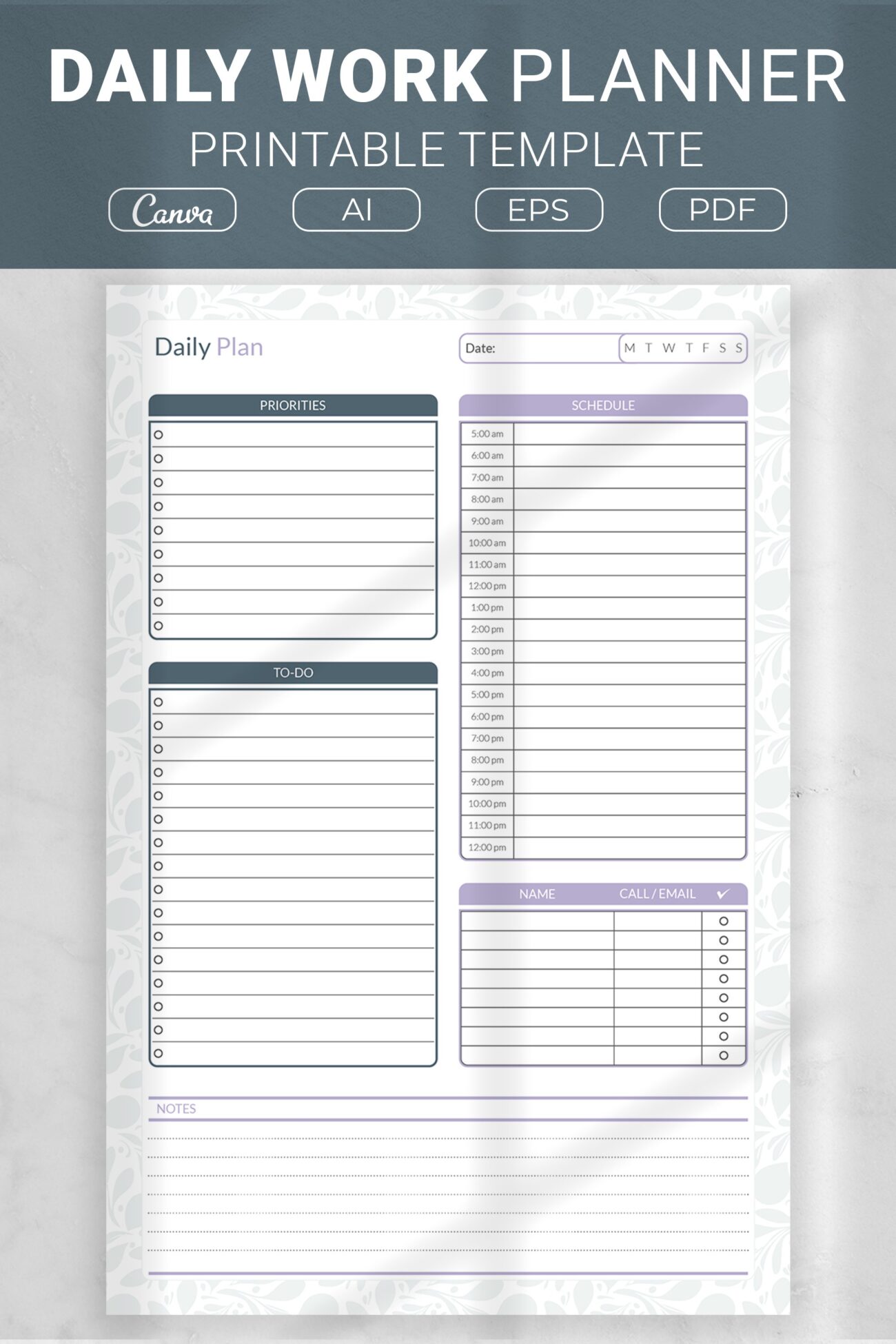
There’s something comforting about sitting down on a Sunday night, sipping a warm cup of tea, and laying out the plans for the week ahead. For many homeschooling families, this ritual is vital for keeping everyone organized, focused, and accountable. In our home, we rely heavily on a Printable Daily Work Planner Template to guide our days. It’s not just about planning lessons; it’s about creating a structure that works for our family’s unique rhythm.
Why Choose a Printable Daily Work Planner Template?
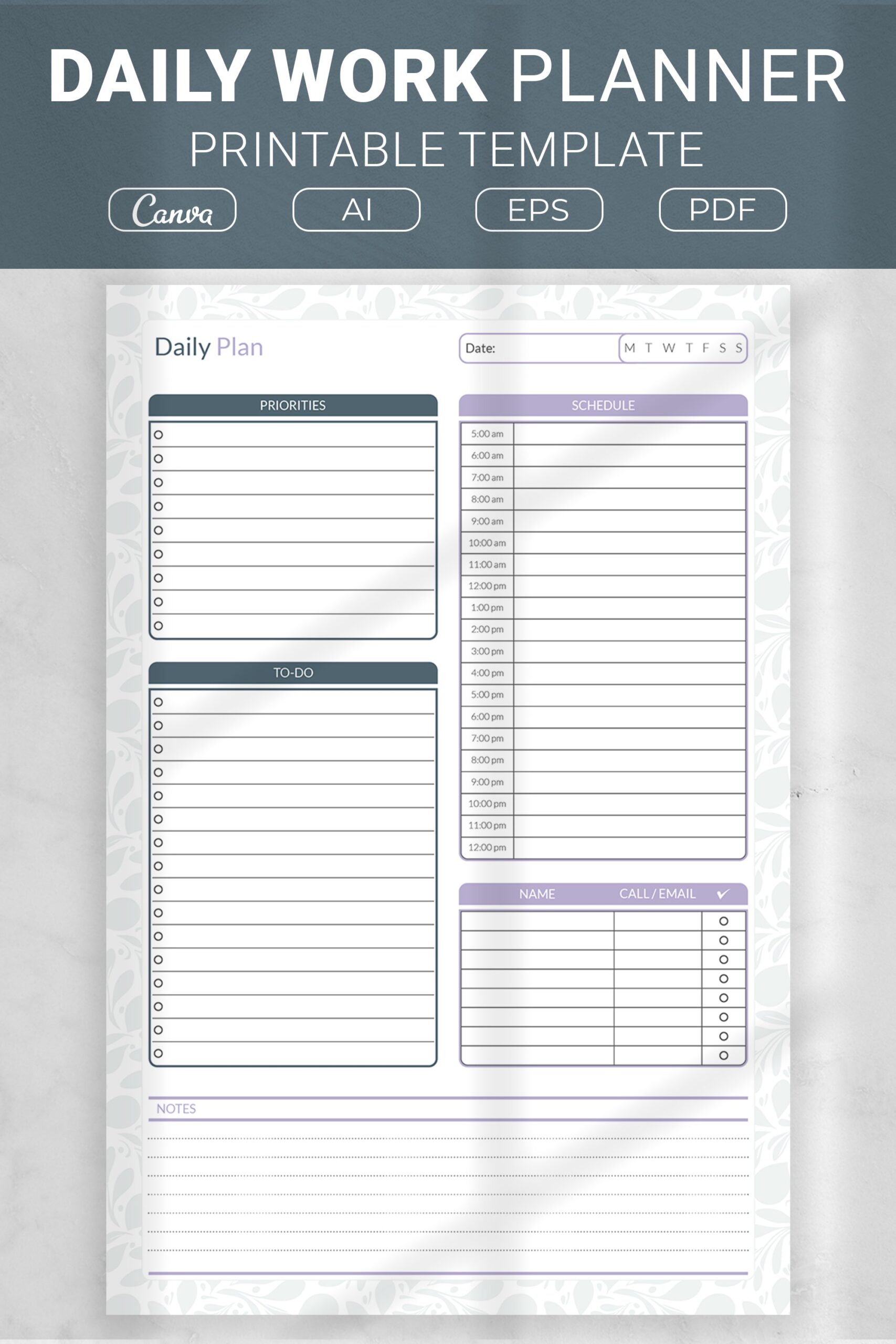
When it comes to planning, I’ve found that a physical planner can be a game-changer compared to digital options. Sure, apps are convenient, but they often lead to distractions. With a printable planner, you can focus solely on what’s in front of you. You can see your progress in real-time, and there are no pesky notifications vying for your attention. A Printable Daily Work Planner Template allows you to map out your day clearly and visually, making it easier to stick to your plans.
Having the ability to physically write things down can help reinforce the information, especially for kids. It’s an effective learning tool that encourages engagement and responsibility. Plus, you can customize it to fit your family’s needs, whether you’re focusing on subjects like math, science, or art.
How to Set Up Your Daily Work Planner
Setting up your Printable Daily Work Planner Template is straightforward, but how you do it can make all the difference. Here’s a simple guide to help you get started:
- Choose Your Format: Most printable planners come in PDF format, which is easy to download and print. You can choose between letter size (8.5 x 11 inches) for easy printing at home or A4 if that’s your preference.
- Select a Layout: Depending on your family’s schedule, you might prefer a vertical or horizontal layout. A vertical layout is great for time-blocking, while horizontal can provide a broader view of your day.
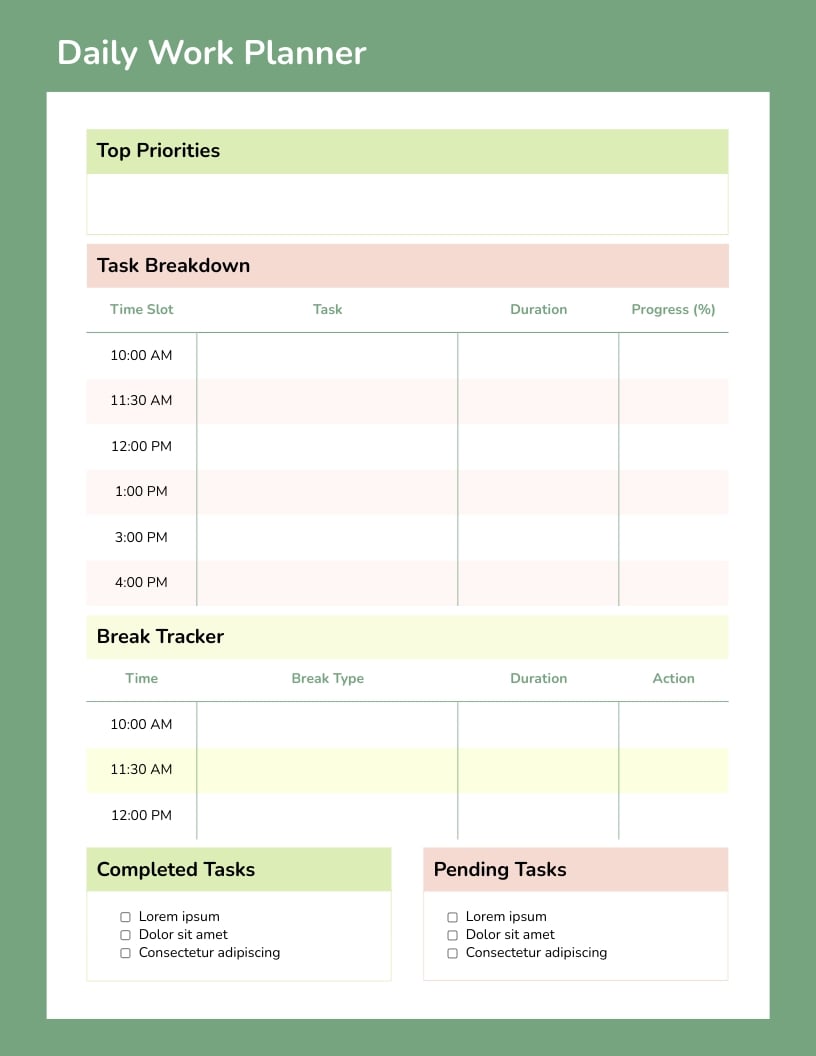
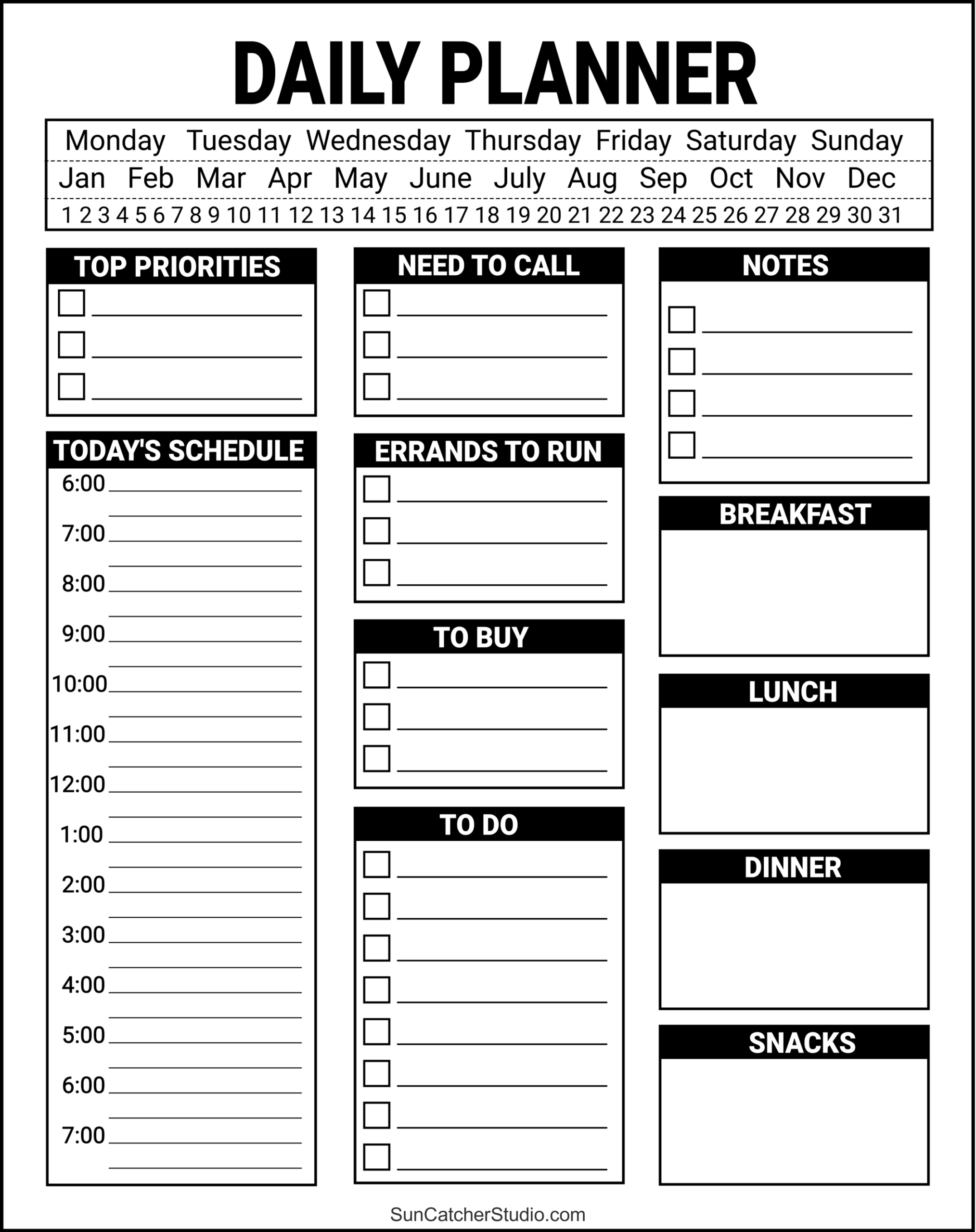
- Customize Sections: Your planner should accommodate various sections. Typical sections might include:
- Date and Day: Write the date at the top.
- Daily Goals and Objectives: Outline what you aim to accomplish that day.
- Subject Breakdown: List subjects and specific tasks to tackle.
- Time Slots: Allocate time for each activity, ensuring a balanced schedule.
- Notes and Reflections: Leave space for thoughts on what worked well and what didn’t.
- Print and Prepare: Print your planner on quality paper, preferably cardstock for durability, especially if you plan to laminate it. This way, you can reuse it with dry-erase markers.
- Incorporate Colors: Use colored pens or highlighters to differentiate subjects or tasks. This can make planning more engaging and visually appealing for your kids.
Daily Planning Routine With Your Printable Planner
Once your Printable Daily Work Planner Template is set up, it’s time to integrate it into your daily routine. Here’s how we do it in our home:
- Morning Check-In: Each morning, we gather around the kitchen table to review the day’s plan. This helps the kids understand what to expect and allows them to mentally prepare for their tasks.
- Midday Reviews: Around lunchtime, we take a moment to check off completed tasks. This not only gives a sense of accomplishment but also allows us to adjust the afternoon schedule if needed.
- End-of-Day Reflections: Before dinner, we revisit the planner to reflect on what we achieved. We discuss what went well and what we can improve for the next day. This reinforces learning and helps the kids develop critical thinking skills.
Benefits of Using a Printable Daily Work Planner Template
Utilizing a Printable Daily Work Planner Template offers several advantages for homeschooling families:
- Flexibility: Unlike traditional planners, a printable template can be adjusted to fit your family’s unique needs. You can modify sections, add additional pages, or even create themed planners for special projects.
- Visual Learning: For visual learners, having a physical planner can make a significant impact. They can see their tasks laid out, which can help them better understand their schedules.
- Minimal Distractions: With no notifications or apps to distract your kids, using a paper planner can lead to better focus and productivity.
- Enhanced Accountability: Writing things down helps instill a sense of responsibility. Kids learn to manage their time and tasks more effectively.
- Personalization: You can add stickers, drawings, or colored sections that resonate with your children’s interests. This makes planning a fun activity rather than a chore.
Tips for Maintaining Your Planning Routine
To get the most out of your Printable Daily Work Planner Template, here are some tips you might find helpful:
- Be Consistent: Try to stick to a routine. Consistency helps the kids understand what to expect and builds a habit around planning.
- Celebrate Wins: Acknowledge when you complete a week of successful planning. This could be as simple as a family treat or a fun outing.
- Adjust as Needed: If something isn’t working, don’t be afraid to change it up. Flexibility is key to finding what works best for your family.
- Involve the Kids: Let your children take part in the planning process. Ask for their input on what subjects they want to focus on or what activities excite them.
- Use a Binder: If your planner has multiple pages, consider placing them in a binder. This way, you can add, remove, or reorganize sections as needed.
