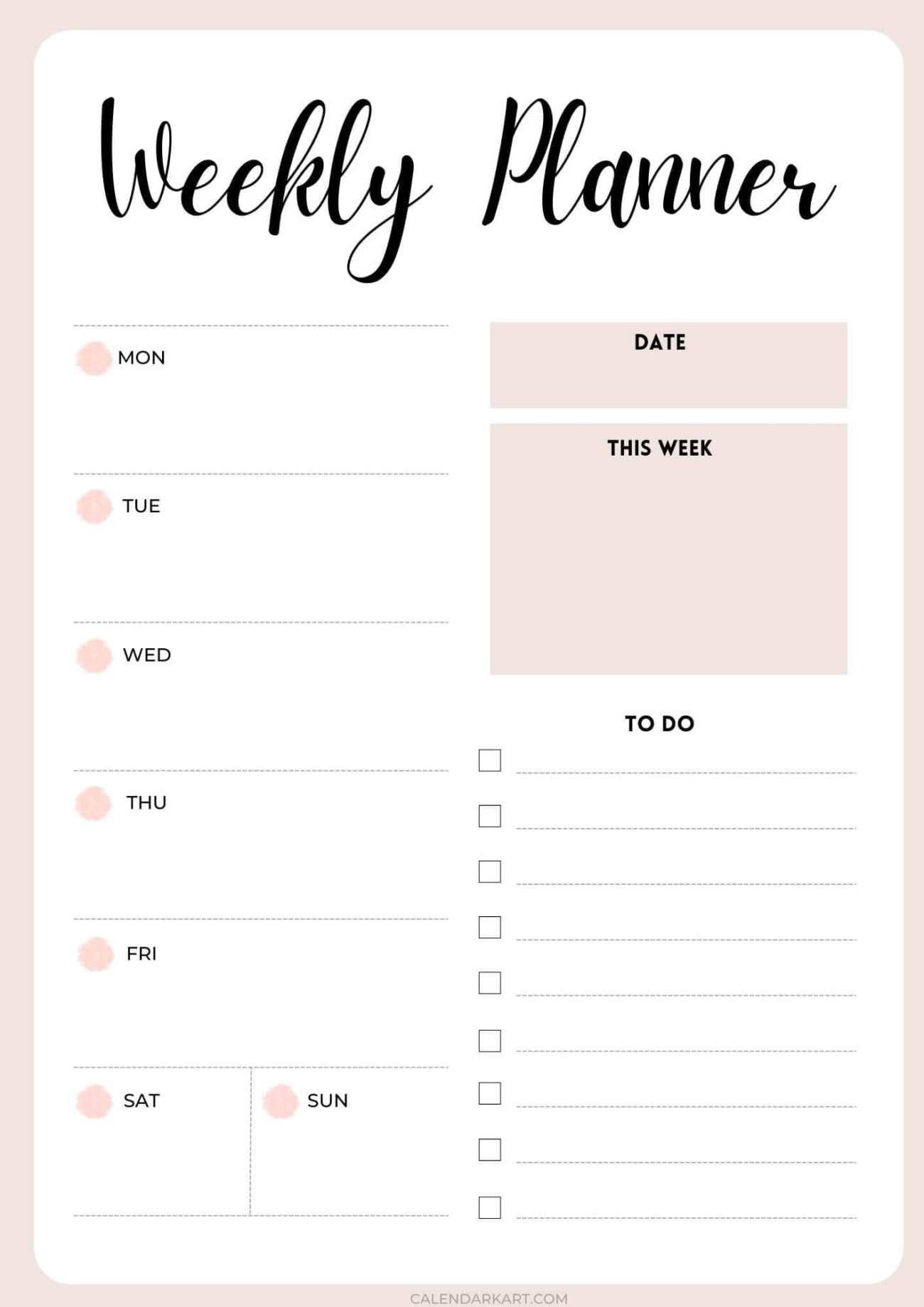
Homeschooling can be a beautiful journey, but it often comes with its own set of challenges, especially when it comes to keeping everything organized. As a homeschool parent, I know how easy it is to get overwhelmed by lesson plans, extracurricular activities, and family schedules. This is where Weekly Planner Pages Free Printable can make a real difference. These resources are designed to help you structure your week, ensuring you stay on top of your plans and goals. Let’s explore how to effectively use these planner pages to streamline your homeschooling experience.
Choosing the Right Weekly Planner Page
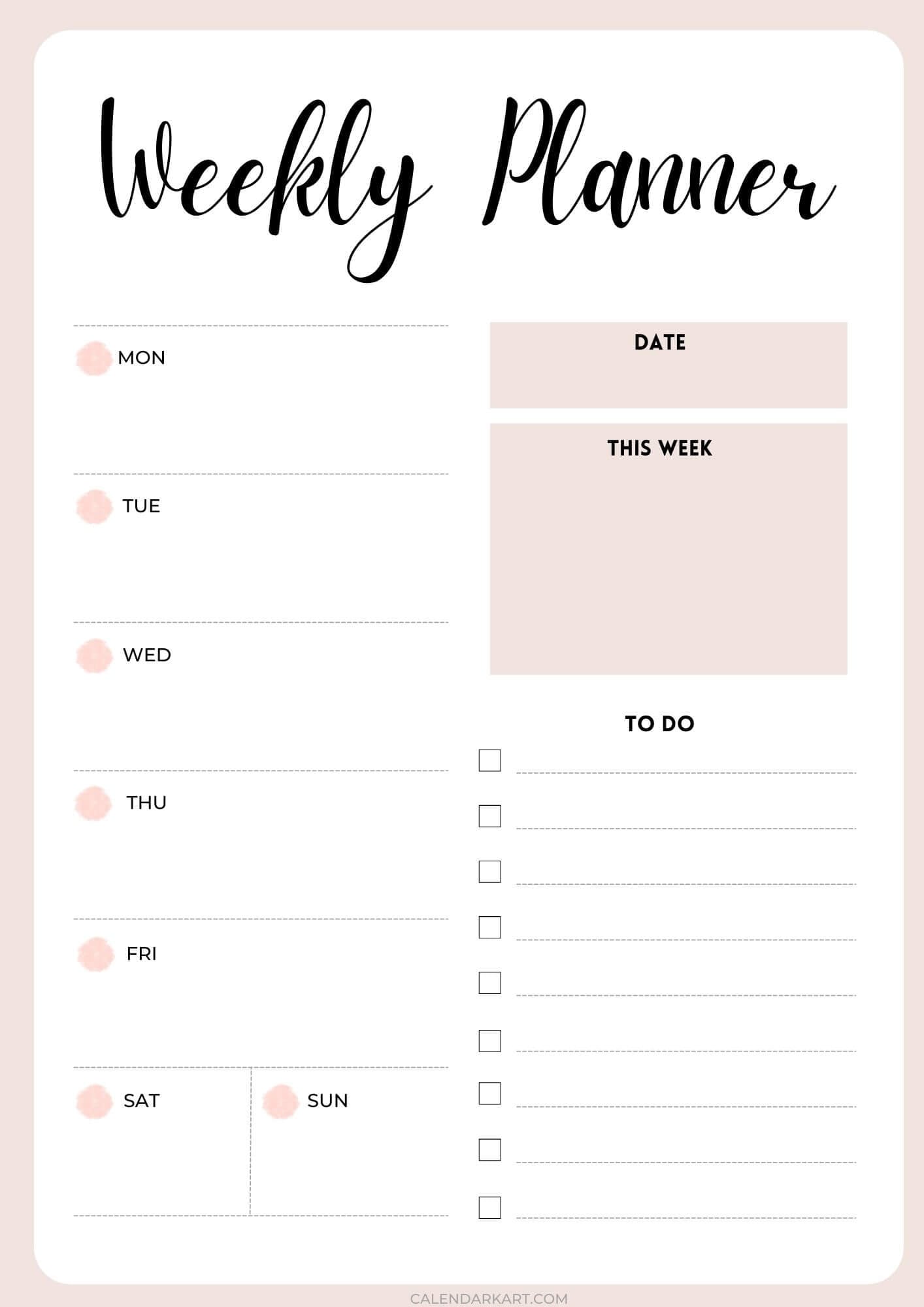
Before you dive in, take a moment to consider what you need from your weekly planner. There are various printable templates available, each tailored to different organizational styles. Some pages feature time slots for hourly planning, while others offer more flexible sections for notes or tasks. Think about your family’s routine and choose a layout that suits your needs best.
For instance, if your days are packed with activities, a planner with hourly slots might work best. If you prefer a more general overview, look for a layout that provides ample space for writing down priorities and to-dos.
Downloading Your Planner Pages
Once you’ve selected the ideal template, it’s time to download your Weekly Planner Pages Free Printable. Most resources come in PDF format, which is user-friendly and maintains formatting across different devices. Here’s a simple step-by-step guide:
- Visit a reputable printable resource website.
- Search for “Weekly Planner Pages Free Printable.”
- Choose your preferred layout and click on the download link.
- Save the PDF file to your computer or device.
Make sure to check the file size before downloading. If you’re using a mobile device, ensure that you have a PDF reader app installed for easy access.
Printing Your Planner Pages
Now that you have your planner pages downloaded, it’s time to print them. Here are a few tips to ensure you get the best results:
- Paper Size: Most planner pages are designed for standard letter size (8.5 x 11 inches). Check the template specifications to avoid printing issues.
- Printer Settings: Use a home printer that can handle higher-quality prints. Set your printer to the best quality settings for crisp text and vibrant colors.
- Cardstock vs. Regular Paper: If you plan to use these pages frequently, consider printing on cardstock. It’s sturdier and will hold up better over time, especially if you want to laminate them for repeated use.
Setting Up Your Planner
With your pages printed, it’s time to set up your planner for the week. A well-organized planner can make a significant impact on your homeschooling. Here’s how to break it down:
Section Layout

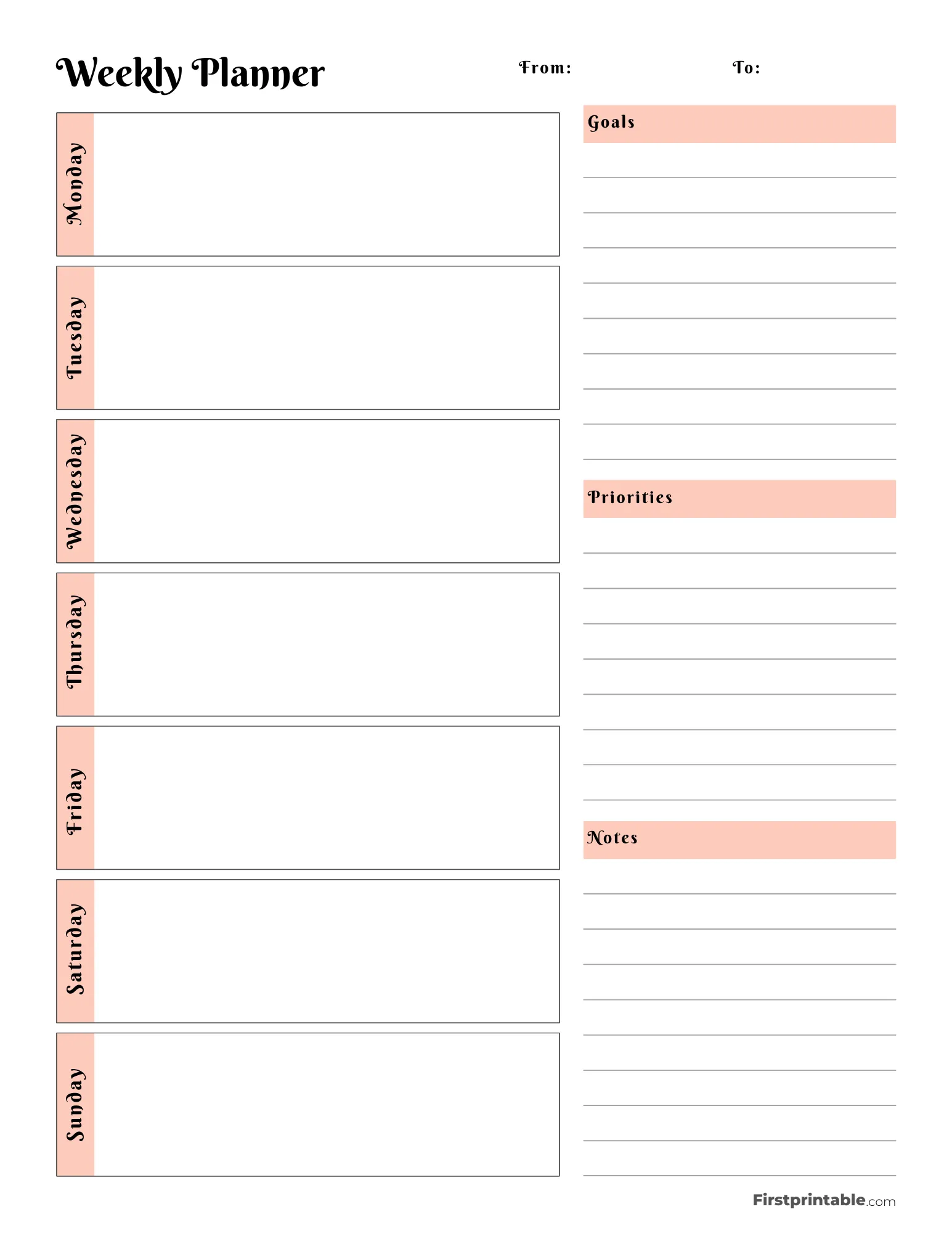
Most weekly planner pages will have several sections. Familiarize yourself with each part:
- Priority List: Use this area to write down the most important tasks for the week. It can include subjects you want to focus on or special projects.
- Daily Breakdown: Each day will typically have space for appointments, lesson plans, and reminders. Write down specific subjects or activities to keep your day structured.
- Habit Tracker: Some planners include a habit tracker box. This is perfect for monitoring goals like reading time, exercise, or even chores.
- Notes Section: Use this space for additional thoughts, reflections, or reminders about your children’s progress and needs.
Personalizing Your Planner
Feel free to personalize your planner pages. Add stickers, color code different subjects, or even use washi tape to make it visually appealing. The goal is to create a planner that inspires you and your children to stay organized and motivated.
Using Your Planner Effectively
Once your planner is set up, it’s all about making it a part of your daily routine. Here are some tips to ensure you’re using it effectively:
- Weekly Review: Set aside time each week to review your planner. Look at what worked well and what needs adjusting. This reflection will help you stay on track.
- Daily Check-ins: Each morning, take a few moments to check your planner. It will help you focus on the day ahead and remind you of any important tasks.
- Involve Your Kids: Encourage your children to use the planner as well. They can write down their own goals or notes, fostering responsibility and ownership over their learning.
Adapting Your Planner as Needed
Flexibility is key in homeschooling. Don’t hesitate to adapt your planner to fit your family’s needs. If a certain layout isn’t working, try a different one. If you find you need more space for notes, consider creating additional pages to add to your planner.
It’s also beneficial to check in with your children about what they find helpful. Their input can lead to adjustments that make the planner more effective for everyone.
Concrete Tip for Immediate Action
To kickstart your planning routine, set a specific time each week to download and prepare your Weekly Planner Pages Free Printable. Choose a Sunday evening or Monday morning, whichever fits your family’s schedule best. This small commitment will set the tone for a more organized and focused homeschooling week ahead.
