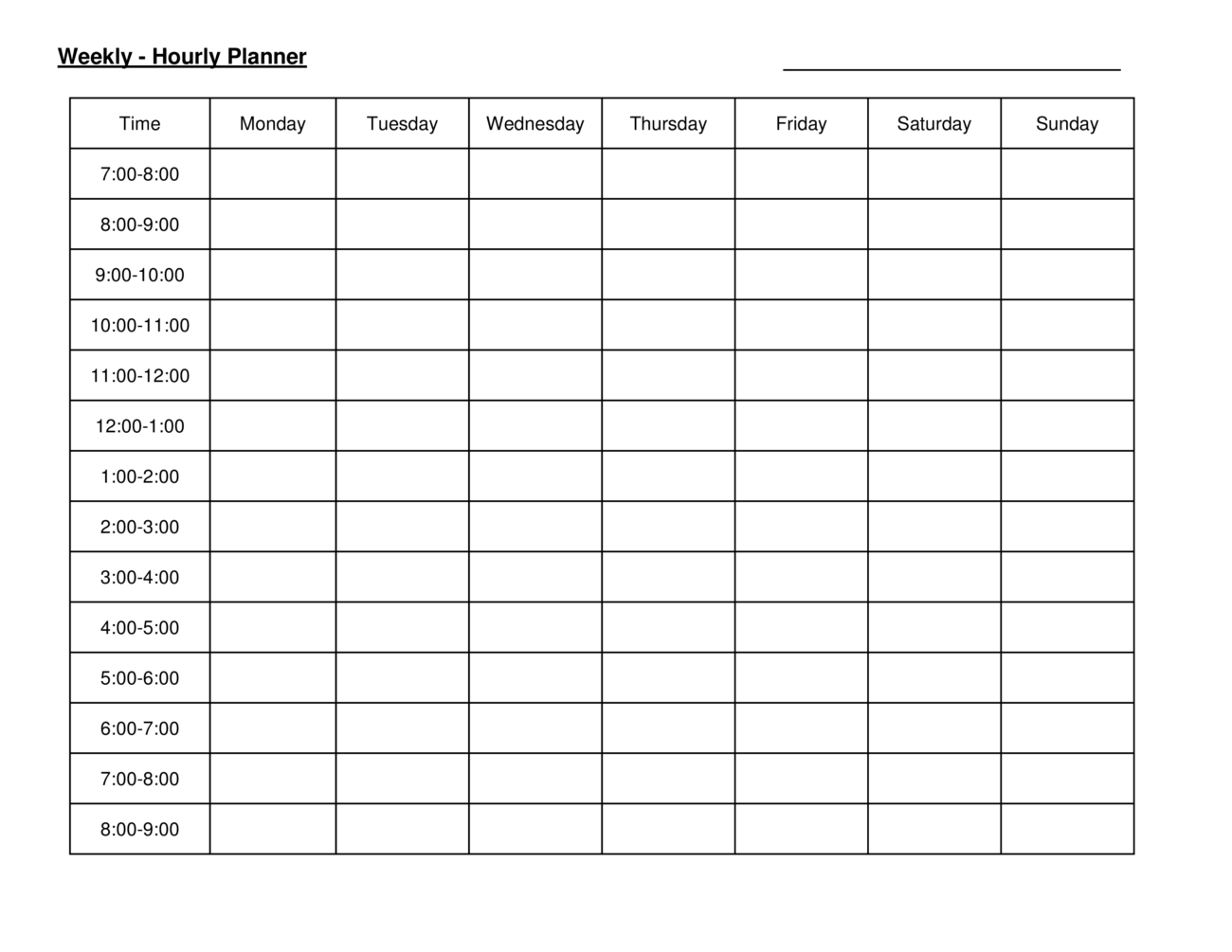
Finding the right tool to keep your homeschool week organized can be a challenge. With so many activities, lessons, and family commitments, it’s easy to feel overwhelmed. That’s where a Weekly Planner Printable With Hours comes in. This resource is designed to help you structure your days effectively, ensuring you make the most of your time while accommodating your family’s unique schedule.
Understanding the Layout of the Weekly Planner
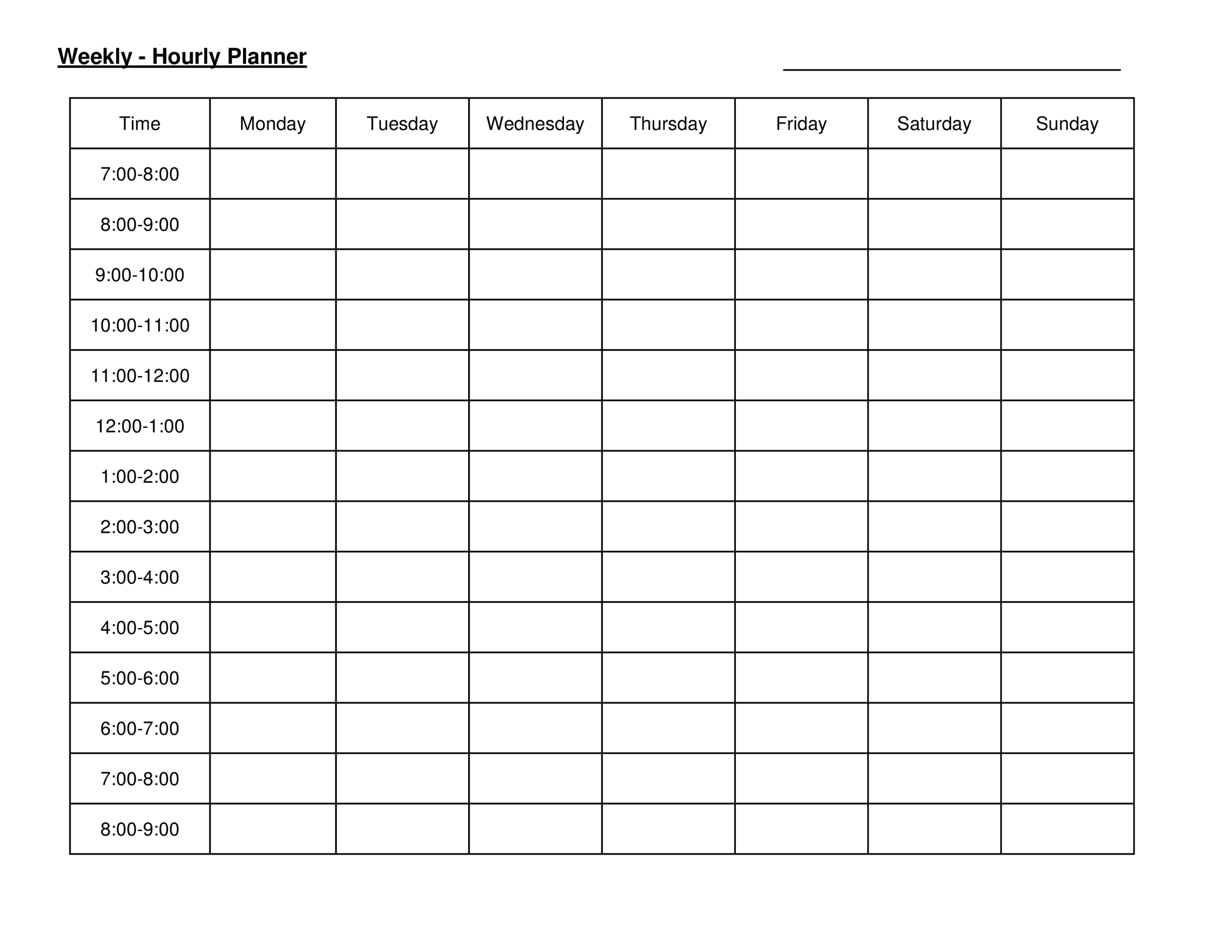
A good weekly planner should provide a clear layout that allows you to visualize your week at a glance. The Weekly Planner Printable With Hours typically features a grid divided into seven sections, one for each day of the week. Each day usually has hourly blocks, making it easy to plan out specific times for lessons, breaks, and activities.
When choosing your planner, look for one that has enough space to jot down notes or reminders. Some planners even include sections for goals or priorities, which can be incredibly helpful for staying focused throughout the week.
Benefits of Using Hourly Blocks
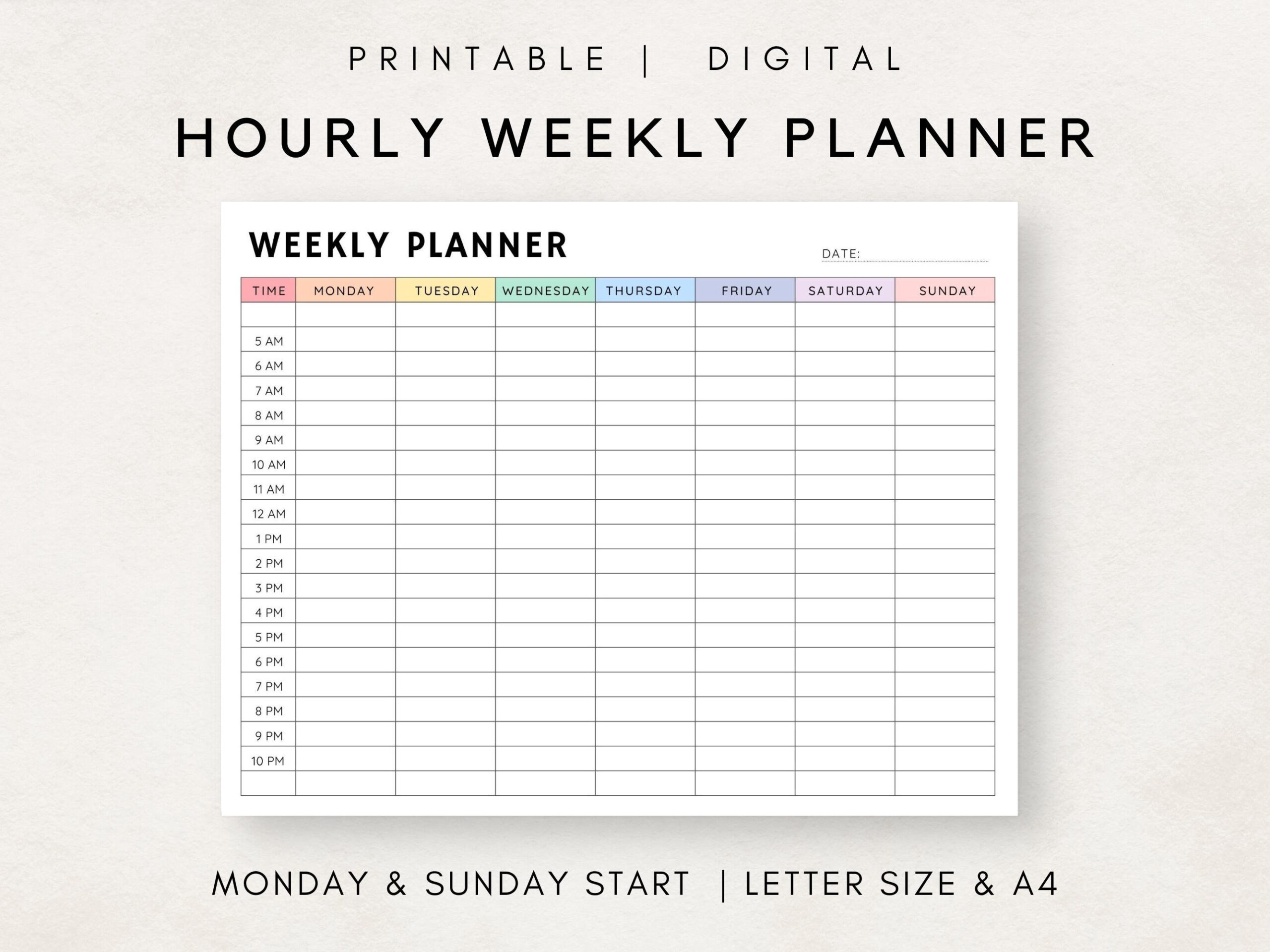
Using hourly blocks in your planner can significantly enhance your organization. It allows you to allocate specific time slots for each task or activity. This method has worked wonders for our family. For instance, we assign designated hours for math, reading, and outdoor activities, ensuring that we stay on track without feeling rushed.
Additionally, hourly planning helps you identify potential overlaps or conflicts in your schedule. If you notice that two important tasks are scheduled for the same time, you can easily adjust your plans before the week starts.
Downloading and Printing Your Weekly Planner
Once you’ve decided on the right planner layout for your needs, it’s time to download and print it. Most Weekly Planner Printables are available in PDF format, which is ideal for maintaining the layout. Here’s how to do it:
- Choose Your Format: Select the printable that suits your style, whether it’s a colorful design or a minimalist approach.
- Download the File: Click on the download link, and save it to your computer.
- Print Settings: Use standard letter-sized paper (8.5 x 11 inches) for best results. If you want a sturdier planner, consider using cardstock.
- Print: Make sure your printer settings are adjusted for best quality, typically using the “Best” or “High Quality” setting. Portrait layout usually works best for planners.
Tips for Effective Printing
- If you plan on writing directly on the planner, a heavier paper weight (around 32 lb) can prevent ink from bleeding through.
- Consider printing double-sided if your planner is designed that way; it saves paper and keeps everything in one place.
Setting Up Your Weekly Planner
Now that you have your printed planner, the fun part begins: setting it up! This step is crucial because a well-organized planner can greatly affect your productivity.
- Choose a Color-Coding System: Assign different colors to various subjects or activities. For example, use blue for math, green for science, and red for extracurricular activities. This visual cue makes it easier to glance at your planner and see what’s coming up.
- Fill in Regular Commitments: Start by marking any fixed appointments such as co-op classes, music lessons, or family events. These help set the framework for your week.
- Plan Flexible Learning: Next, allocate time for your subjects. If you’re working with multiple children, consider their individual needs and adjust accordingly.
- Include Breaks: Don’t forget to schedule breaks! Short breaks can help keep everyone refreshed and focused throughout the day.
- Review and Adjust: At the end of each week, take a moment to review what worked and what didn’t. Adjust your next week’s planner based on these reflections.
Maintaining Consistency With Your Planner
Using the Weekly Planner Printable With Hours is not just about filling out a sheet; it’s about building a routine. Consistency is key. Here are some strategies to maintain your planning habit:
- Set a Weekly Planning Session: Dedicate a specific time each week to sit down and plan the upcoming week. In our home, we do this every Sunday evening. It’s a family affair where everyone gets involved in discussing their week ahead.
- Involve Your Kids: Encourage your children to take part in the planning process. This not only teaches them time management but also gives them a sense of ownership over their education.
- Stay Flexible: Life can be unpredictable. If something comes up that disrupts your plans, don’t hesitate to adjust. Your planner should serve you, not the other way around.
Using Your Planner Effectively Throughout the Week
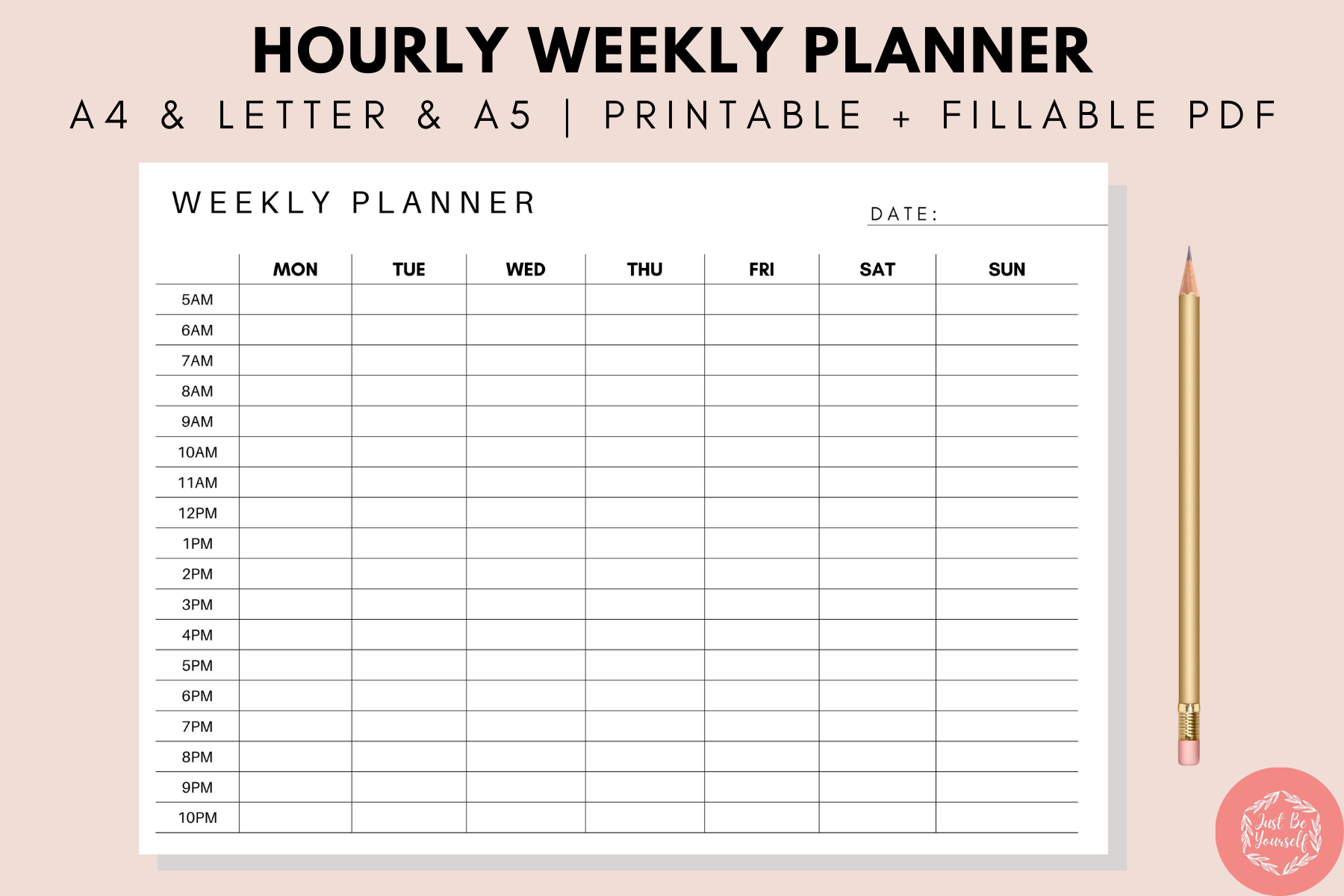
Once your planner is set up, the real test lies in how you use it daily. Here are some tips to make the most of it:
- Check Your Planner Daily: Make it a habit to review your planner each morning. This simple action can help you mentally prepare for the day ahead.
- Use it as a Reference: When things get hectic, refer to your planner to stay grounded. It can help you remember what’s next, reducing anxiety and confusion.
- Celebrate Small Wins: As you complete tasks, take a moment to acknowledge your progress. This can be as simple as crossing off completed items or noting achievements in the margins.
By integrating these steps into your routine, you’ll find that the Weekly Planner Printable With Hours not only helps you stay organized but also enhances your homeschooling experience.
One immediate tip: Print your planner on cardstock for durability if you plan to use it weekly. This small change can make a big difference in how well your planner holds up over time.
